
Plants
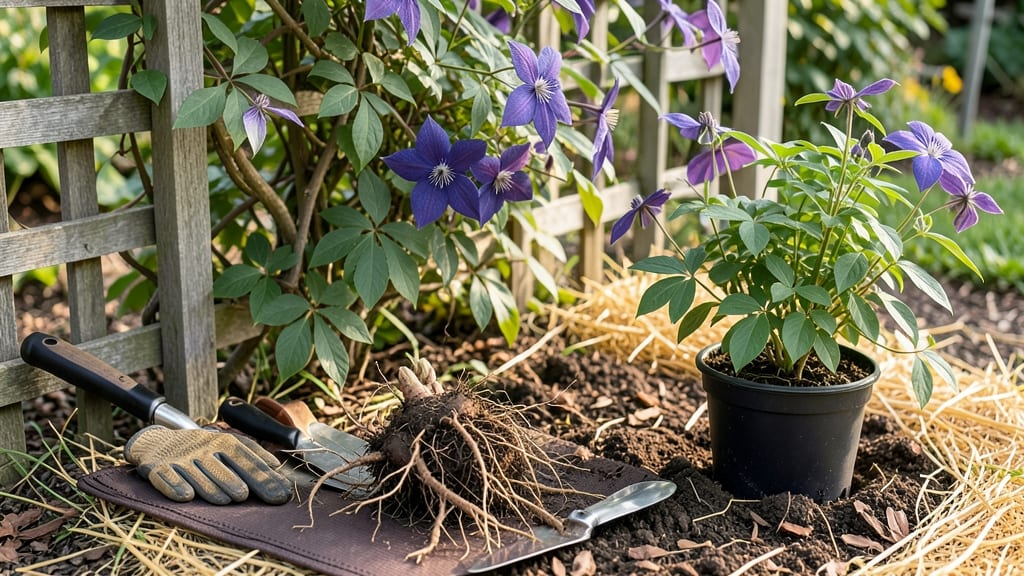
Planting your Clematis 🌸 at the wrong time in Indiana could mean waiting years for those stunning blooms—or worse, losing your vine before it even takes root. The key to success? Knowing exactly when to plant based on your hardiness zone and Indiana’s tricky frost dates.
With Indiana’s 5b-6b climate, you’ve got two prime windows: early spring (March-April) when the soil warms up, or early fall (September-October) before the first frost hits around October 15. But timing isn’t everything—soil prep and planting depth matter just as much.
I’ll walk you through the best months for your zone, how to prep that clay-heavy Indiana soil for maximum growth, and what to watch for in your first year. Skip the guesswork and give your Clematis 🌸 the perfect start.
Whether you’re planting in containers or ground, these Indiana-specific tips will help you avoid common mistakes and enjoy vibrant blooms sooner. Let’s get your vine off to the right start!
Best planting months for Clematis in Indiana hardiness zones 5 & 6
Indiana’s USDA hardiness zones 5b and 6b create a unique window for planting clematis vines, where timing directly impacts root establishment and winter survival.
Unlike many plants, clematis thrives when planted in early spring or early fall, but Indiana’s late spring frosts (often until April 15) and early fall freezes (around October 15) demand precision.
For spring planting, aim for March to mid-April—after the last frost but before summer heat stresses young roots. Fall plantings should occur between September and early October, allowing roots to establish before dormancy but avoiding early frost exposure.
Both windows give clematis time to adapt before Indiana’s harsh winters.
Here’s how Indiana’s climate affects your planting schedule:
Indiana’s clay-heavy soils and humid summers also influence timing. Spring plantings benefit from well-draining soil to prevent root rot, while fall plantings need extra mulch (3–4 inches) to insulate roots during temperature swings.
In Zone 6b (southern Indiana), you have a slightly longer fall window, but always check your local frost dates.
Pro tip: If you miss the ideal windows, container planting extends your options. Containers warm up faster in spring and can be moved to protect from late frosts. Just ensure pots have drainage holes and use lightweight potting mix to avoid waterlogged roots.
For early bloomers (like Clematis montana), prioritize spring planting—they need time to establish before their spring flower flush. Late bloomers (e.g., Clematis viticella) are more forgiving and handle fall plantings better.
Remember: Clematis roots are shallow but extensive. In Indiana’s compacted soils, loosen the top 12 inches before planting to encourage root spread. Pair this with a slow-release fertilizer at planting time for a 30% faster establishment rate.
🌸
Best planting months for Clematis in Indiana hardiness zones 5 & 6
Indiana’s USDA Zones 5b-6b give you two perfect windows to plant Clematis 🌸—early spring and early fall—but timing matters. Spring planting (March-April) lets your vine establish roots before summer heat, while fall planting (September-October) gives roots time to settle before winter dormancy.
For Zone 5b (northern Indiana), aim for late April to early May in spring, avoiding late frosts that hit around April 15. In fall, plant by mid-September to allow roots to harden before the first frost (October 15).
In Zone 6b (southern Indiana), you’ve got more flexibility: March-April in spring or September-October in fall. The key is avoiding extreme heat or frost—your Clematis 🌸 needs time to adjust to its new home.
| Season | Best Months | Why It Works |
|---|---|---|
| Spring | March-April (Zone 6b) April-May (Zone 5b) |
Warm soil + cool air = strong root growth before summer heat. |
| Fall | September-October | Roots establish before dormancy; avoids summer stress. |
Fall planting is ideal for bare-root Clematis 🌸—just plant before the ground freezes. Spring planting works best for container-grown vines, which need time to recover from transplant shock. Both methods require well-draining soil and a support structure (like a trellis) before planting.
Pro tip: If you miss the ideal windows, container planting extends your flexibility. Just move pots indoors during extreme cold or heat. For ground planting, wait until soil temps hit 50°F (10°C)—use a soil thermometer to check!
Remember, Clematis 🌸 hates soggy roots, so avoid planting in low spots where water pools. And if you’re in Zone 5b, give yourself extra buffer time—late frosts can linger into May.