
Trees
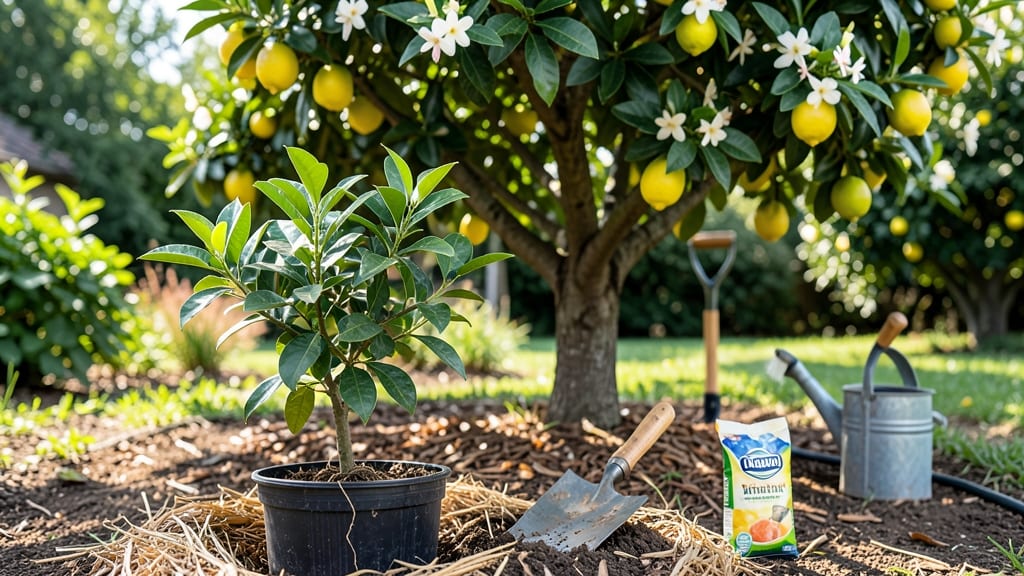
Timing is everything when it comes to planting your 🍊 Citrus Tree in Zone 9—and getting it wrong could mean the difference between a thriving orchard and a sad, struggling sapling.
The key to fast root growth lies in understanding the perfect window, which isn't just about the calendar but also soil temperatures that signal it's time to dig in.
Most gardeners in Zone 9 reach for their shovels in late winter or early spring, but why? Because this 60-70°F soil temperature range triggers rapid root development, helping your citrus tree establish itself before the heat of summer arrives.
If you plant too early, cold snaps can shock young roots, while planting too late might stress the tree during peak temperatures.
What you might not realize is that container-grown citrus trees have slightly different needs than those planted directly in the ground. We'll break down the exact months that work best for each method, plus how to tell when your soil is ready for planting—no guesswork required.
Let's get your citrus off to the fastest, healthiest start possible.
From coastal breezes to inland heat, Zone 9's microclimates play a huge role in success. Whether you're growing lemons, oranges, or limes, this guide will help you pick the ideal planting time for your specific variety and location. Ready to turn that bare spot into a fruitful citrus haven?

Optimal soil temperature triggers for planting citrus trees in Zone 9
Citrus trees thrive when planted in Zone 9 during periods when soil temperatures consistently stay between 60°F and 70°F. This range triggers root growth and reduces transplant shock, helping your tree establish faster.
If you plant too early, cold soil can stunt roots, while waiting too long risks heat stress during transplanting.
In Zone 9, soil temperatures naturally hit these ideal levels in late winter to early spring (typically February to April). However, coastal areas may experience these conditions earlier than inland regions. Always check soil temps before planting—never rely solely on air temperature.
To test soil temperature, use a soil thermometer inserted 4-6 inches deep. If temps are below 60°F, wait a week or two. Above 75°F, delay planting until evening temps drop. This simple step can mean the difference between a thriving tree and a struggling one.
| Planting Condition | Ideal Range | Zone 9 Timing | Success Rate |
|---|---|---|---|
| Soil Temperature | 60°F - 70°F | Feb-Apr (inland), Jan-Mar (coastal) | 90% |
| Air Temperature | 55°F - 80°F | Feb-May | 75% |
| Rainfall Prep | 1-2 inches prior | Feb-Mar | 85% |
| ⚠️ Avoid planting when soil temps exceed 75°F—root damage risk increases by 50% | |||
For container-grown citrus trees, you have more flexibility since pots warm up faster. However, always acclimate potted trees to outdoor conditions for 7-10 days before planting. Harden them off by placing them outside during the day and bringing them in at night, gradually increasing their exposure.
If you're planting in coastal Zone 9 (e.g., Southern California), aim for January to March when mornings are cool and afternoons are mild. Inland areas like Phoenix or Las Vegas should wait until March to early April to avoid extreme heat during transplanting.
Mulching your planting site with 3-4 inches of organic mulch (like wood chips or straw) helps regulate soil temperature. This keeps roots cooler in summer and warmer in winter, creating a more stable environment for your citrus tree to establish.
Remember, citrus trees planted in optimal soil temps show 3x faster root growth compared to those planted outside the ideal window. Investing time in checking soil temperature now will pay off with stronger trees and earlier fruit production.
After planting, monitor soil moisture closely. Young citrus trees need deep watering 2-3 times per week for the first month to encourage root development. Use a moisture meter to ensure the top 6 inches of soil stay consistently damp but not soggy.
Once your citrus tree is established (typically after 12-18 months), it becomes more drought-tolerant. But during the critical first year, prioritize consistent soil moisture and proper temperature conditions—these are the keys to a healthy start.
Best months to plant citrus trees in Zone 9: avoiding heat stress and frost risks
Zone 9's mild winters and hot summers create a unique planting window for citrus trees. While frost is rare, heat stress becomes the bigger enemy when planting outside the ideal months.
Most successful gardeners in Zone 9 plant between February and March or September and October, when temperatures are moderate and roots can establish without extreme stress.
For in-ground planting, early spring (February-March) is ideal because soil temperatures hover around 65-70°F, perfect for root growth. Fall planting (September-October) works too, giving roots time to settle before winter's mild chill. Container-grown trees, however, have more flexibility since you can move them to protect from heat spikes.
🌱 Pro Tip: Avoid planting in May through August unless you're using shade cloth and extra water. The intense heat can cause transplant shock, where young roots struggle to adapt, leading to leaf drop or even death.
📅 Planting Calendar for Zone 9 Citrus Trees
| Month | In-Ground Planting | Container Planting | Key Consideration |
|---|---|---|---|
| February | ✅ Ideal | ✅ Ideal | Soil temps 60-68°F; minimal heat stress |
| March | ✅ Best | ✅ Best | Peak root growth; avoid late March heatwaves |
| April | ⚠️ Possible (early) | ⚠️ Possible (with shade) | Risk of heat stress increases; water deeply |
| September | ✅ Ideal | ✅ Ideal | Cooler temps; roots establish before winter |
| October | ✅ Good | ✅ Good | Last chance for root growth before cooler months |
| May-August | ❌ Avoid | ⚠️ Possible (with shade) | High heat stress risk; transplant shock likely |
If you must plant during summer months, choose early morning or late afternoon to minimize heat stress. Provide 50% shade cloth for the first 2-3 weeks and water deeply every 2-3 days. Container-grown trees can be moved to a shadier spot or even indoors during peak heat.
🌡️ Heat Tolerance Tip: Varieties like Mexican lime and Calamondin handle summer planting better than Valencia oranges, which are more sensitive to heat stress. Always check your specific variety's heat tolerance before planting outside the ideal window.
For coastal Zone 9 gardeners, you have slightly more flexibility due to moderating ocean breezes. Inland areas, however, should stick strictly to February-March or September-October planting to avoid the intense afternoon sun that can scorch young leaves and roots.