
Plants
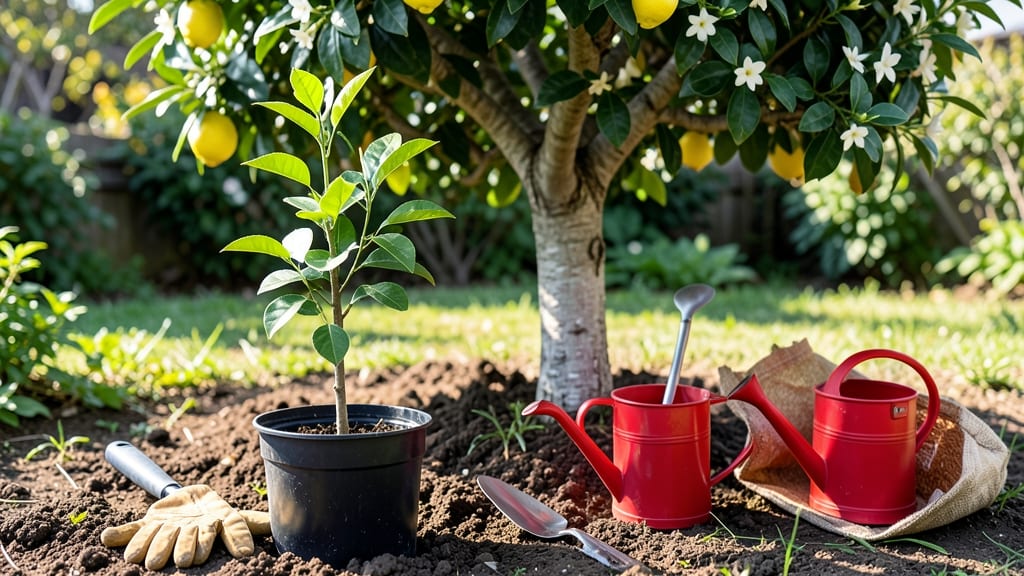
Planting citrus trees in Arizona at the wrong time can turn your sunny backyard into a risky gamble—one frost or heatwave away from failure. The key to thriving citrus lies in understanding when soil temperatures hit that sweet spot between 60°F and 85°F, depending on your region.
Whether you're in Phoenix's low desert or Tucson's high desert, timing matters more than most gardeners realize. I’ve seen citrus trees struggle when planted too early, only to recover with proper care—or worse, die when a late frost sneaks in.
Let’s cut through the guesswork and find the exact windows for planting citrus that’ll give your trees the strongest start possible.
From container-grown lemons to young orange saplings, every citrus variety has its own ideal moment to hit the ground. I’ll break down how Arizona’s microclimates—like Yuma’s intense sun versus the White Mountains’ cooler nights—change the rules.
You’ll learn which months work best for each type, plus how to test your soil before committing.
Ready to grow citrus that thrives year after year? Let’s dive into the game-changer details that separate healthy, fruit-bearing trees from sad, stunted plants. Your future breakfast table (and lemonade pitcher) will thank you.
Best soil temperature triggers for planting citrus in Arizona
Arizona’s desert climate means soil temperature is the #1 factor for successful citrus planting. Unlike northern states, citrus thrives when the ground stays consistently warm—60°F to 85°F is the sweet spot for root establishment.
Planting too early (when soils are still cool) stresses young trees, while waiting until summer’s peak heat can cause shock. Let’s break down the exact triggers by citrus type and how to test your soil before planting.
For oranges and grapefruit, aim for 65°F+ soil temps—these varieties are slightly more cold-tolerant but still need warmth to thrive. Lemons and limes, however, demand 70°F+ soils—they’re tropical at heart and struggle in cooler ground.
Use a soil thermometer (available at garden centers for ~$10) to check temps at 4-inch depth, where roots will first establish.
Timing isn’t just about degrees—it’s also about consistency. In Phoenix, soils hit 75°F+ by mid-March, while Tucson’s high desert warms up 2 weeks later.
Yuma’s extreme heat means you can plant as early as February, but only if you’re using container-grown trees (bare-root seedlings need warmer soils).
Pro tip: If your soil feels cool to the touch (like a chilled fridge) at 4 inches deep, wait 1-2 weeks. Citrus roots won’t grow below 55°F, and forcing them to struggle leads to root rot or poor establishment.
| Citrus Type | Ideal Soil Temp | Best Planting Window | Soil Prep Tip |
|---|---|---|---|
| Oranges (Valencia, Navel) | 65°F–75°F | Mid-March to April | Amend clay soil with compost |
| Lemons (Eureka, Meyer) | 70°F–80°F | April to early May | Use raised beds for poor drainage |
| Grapefruit (Ruby Red) | 60°F–70°F | Late February to March | Mulch heavily to retain heat |
| Limes (Bearss, Key) | 75°F+ | May to June | Plant in containers for mobility |
🌡️ Test soil at 4" depth—roots need warmth to establish!
If your soil tests below 60°F, don’t panic—you can still plant citrus in containers (like 15-gallon pots) and move them outdoors once temps rise. Containers warm up 10–15°F faster than ground soil, giving you a head start.
Just ensure pots have drainage holes to prevent root rot in Arizona’s intense heat.
Another critical factor is daytime highs. Citrus trees planted in spring (March–May) benefit from Arizona’s gradual warming, while summer plantings risk heat stress. Look for consistent 80°F+ daytime temps before planting—this signals roots they’re safe to grow aggressively.
For bare-root seedlings (cheaper but riskier), wait until soils are 70°F+—these trees have no root protection and dry out faster. Nursery-grown trees (in pots) can handle slightly cooler soils (65°F+) because their roots are already established.
Always remove pots 24 hours before planting to let roots acclimate to outdoor temps.
One mistake I see often is planting citrus in fall—Arizona’s nights get chilly, and even mature trees can suffer if temps dip below 40°F. If you’re in higher elevations (Flagstaff, Prescott), stick to container citrus that you can move indoors during winter.
For the Low Desert (Phoenix, Tucson), fall planting is only safe if you’re using heat-tolerant varieties like ‘Carrizo’ citrange.
To test your soil’s readiness, dig a 6-inch hole and feel the moisture—it should be damp but not soggy. If it’s dry, water deeply and wait 3–5 days before planting.
Citrus roots need consistent moisture but hate waterlogged conditions. Arizona’s heavy clay soils (common in Tucson) need amendments like perlite or sand to improve drainage.
Remember: Citrus roots grow best in slightly acidic soil (pH 6.0–7.0). Test your soil’s pH with a home kit ($5 at garden stores). If it’s above 7.5, mix in sulfur or peat moss to lower pH before planting. Happy roots = happy trees!
Optimal Arizona planting months by region and citrus type
Arizona’s diverse climate means your citrus planting timeline should change depending on whether you're in the Low Desert (Phoenix, Yuma), High Desert (Tucson, Flagstaff), or White Mountains region. Each zone has different frost risks and soil warming patterns that directly impact when you should plant.
For example, Yuma’s intense sun warms soil faster than Flagstaff’s cooler nights, creating a 3-4 week difference in ideal planting windows.
In the Low Desert, where temperatures rarely drop below freezing, you have a longer window—from mid-February to early April—to plant citrus. This gives you flexibility, but timing still matters to avoid the rare late frost that can sneak in.
Meanwhile, the High Desert demands patience, with the safest window opening in late March to mid-May when soil temperatures consistently stay above 65°F.
For the White Mountains, citrus is only viable in microclimates with winter protection, and planting should occur between mid-April and June. Container-grown trees offer more flexibility here, as you can move them indoors during winter.
No matter your region, bare-root seedlings need to go in the ground earlier than nursery-grown trees, which can handle transplant shock better when planted later in the season.
| Region | Best Planting Window | Soil Temp Trigger | Citrus Varieties | Special Notes |
|---|---|---|---|---|
| Low Desert (Phoenix/Yuma) | Mid-February to Early April | 60-75°F | Valencia oranges, Meyer lemons, grapefruit | Avoid late March if frost risk exists |
| High Desert (Tucson/Flagstaff) | Late March to Mid-May | 65-80°F | Satsuma mandarins, limequats, dwarf varieties | Use windbreaks for open areas |
| White Mountains | Mid-April to June | 70-85°F | Dwarf citrus in containers | Winter protection required |
If you’re planting container-grown citrus, you can push your timeline slightly later—up to early May in the Low Desert—because potted trees establish roots faster in warm soil.
For bare-root seedlings, however, stick to the earlier windows (February-March) to give them time to develop a strong root system before summer’s intense heat arrives. I’ve found that seedlings planted in March often outperform those planted in April, especially in the High Desert.
One pro tip: If you miss the ideal window, don’t despair. Transplanting citrus in late summer (August-September) can work if you provide extra water and shade cloth during the first month. Just avoid planting in July or winter, as the extreme heat or cold will shock the tree’s system.
For container growers, you can even plant in fall (October-November) and overwinter indoors before moving outside next spring.
Remember, Arizona’s microclimates can vary dramatically even within a city. Check your local Cooperative Extension Service for frost data, and use a soil thermometer to confirm temperatures before planting. With the right timing, your citrus trees will thrive and reward you with fruit for years to come. 🌱