
Plants
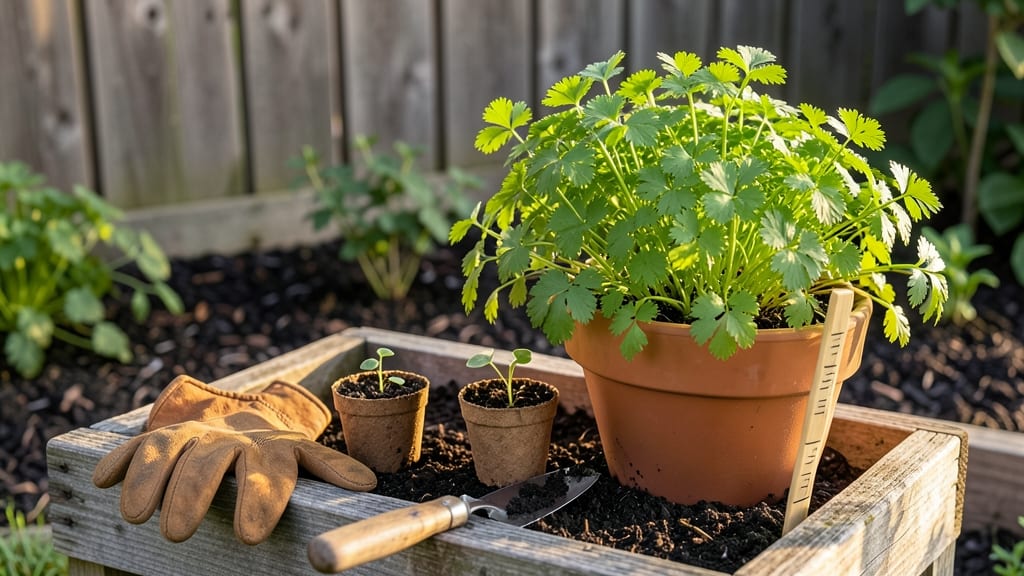
If you’ve ever planted cilantro in Southern California only to watch it bolt into bitter seeds within weeks, you’re not alone—timing is everything for this cool-season herb.
The key to growing lush, flavorful 🌿 cilantro lies in understanding your local microclimate, whether you're near the coast or inland in zones 9b-11.
Unlike many plants, cilantro thrives in Southern California’s mild winters and early springs, but heat sends it into premature flowering. That’s why fall planting (September–November) and winter/spring (February–March) are your best bets for avoiding bolting and maximizing harvests from October through April.
I’ll break down the exact planting windows tailored to your area, plus pro tips to extend your cilantro’s growing season—because with the right strategy, you can enjoy fresh herbs year-round without the bitterness.
Ready to transform your garden? Let’s dive into the secrets of when, where, and how to plant cilantro for success in Southern California’s unique climate.
Best cilantro planting windows in Southern California’s climate zones
Southern California’s mild winters and hot summers create unique challenges for growing cilantro. Unlike cooler regions, we don’t have to worry about frost, but heat and long daylight hours trigger bolting—the enemy of fresh cilantro. The key? Planting during cooler months when temperatures stay below 80°F and days are shorter.
Coastal areas like Malibu or San Diego enjoy cooler microclimates year-round, while inland valleys like San Fernando or Coachella can hit 100°F+ in summer. This means your planting strategy should vary based on where you live.
For most of Southern California, the ideal windows are September–November (fall) and February–March (winter/spring).
Here’s how to adapt your planting schedule based on your location:
| Zone/Location | Best Planting Months | Key Considerations |
|---|---|---|
| Coastal (e.g., Santa Monica, San Diego) | August–October, February–April | Cooler temps year-round; can extend season slightly. |
| Inland Valleys (e.g., Riverside, Lancaster) | September–November, February–March | Hotter summers; avoid planting after April. |
| Desert (e.g., Palm Springs, Joshua Tree) | October–December, January–February | Extreme heat; plant only in winter. |
🌱 Pro Tip: Use shade cloth (30–50%) in summer to protect cilantro from bolting.
For coastal gardeners, you can push the envelope slightly by planting cilantro as early as late July or as late as early December, but expect faster bolting in summer.
Inland areas should stick to fall and early spring for the best results. Even a 10°F difference can mean the difference between fresh cilantro and bitter seeds!
If you’re eager to grow cilantro in summer months, consider container gardening with afternoon shade. Pots dry out faster but give you control over soil moisture and temperature.
I’ve had success growing cilantro in 5-gallon buckets on my patio with drip irrigation and a lightweight shade cloth during peak heat.
Soil preparation is just as critical as timing. Cilantro thrives in well-draining, slightly acidic soil (pH 6.2–6.8). Amend your soil with compost or aged manure before planting to ensure nutrients are available.
Avoid heavy clay soils, which can lead to root rot or stunted growth. A simple soil test kit (available at garden centers) can help you adjust pH if needed.
One of my favorite tricks for extending the cilantro season is succession planting. Instead of sowing all your seeds at once, plant a new batch every 3–4 weeks. This ensures you always have fresh cilantro ready to harvest while older plants bolt.
For example, if you plant your first batch in September, follow up with plantings in October, November, and February.
Don’t forget that day length plays a role in bolting. Cilantro is sensitive to long daylight hours, which trigger flowering. In Southern California, days start getting shorter after the summer solstice (June 21).
By planting in fall or early spring, you’re aligning with naturally shorter days, which delays bolting.
Finally, keep an eye on your local weather forecasts. A sudden heatwave can send cilantro into a bolting frenzy, even if you’ve planted at the "right" time.
If temperatures are forecasted to exceed 85°F for more than a few days, be prepared to provide extra shade or harvest your cilantro quickly.
With the right timing and a few proactive strategies, you can enjoy fresh, flavorful cilantro straight from your Southern California garden for most of the year. The key is to plant cool, stay consistent, and adapt to your local microclimate. Happy growing! 🌿
Best cilantro planting windows in Southern California’s climate zones
Southern California’s microclimates create two distinct zones for cilantro: coastal areas (like San Diego or Santa Barbara) and inland valleys (such as Los Angeles or Riverside). Coastal regions enjoy milder temperatures year-round, while inland zones experience hotter summers and cooler winters.
Understanding these differences helps you pinpoint the ideal planting windows to avoid bolting and maximize flavor.
For coastal Southern California, cilantro thrives from late summer through winter (August–March). The cooler ocean breezes delay bolting, allowing you to plant as early as August for fall harvests or as late as February for spring crops.
Inland areas, however, should focus on September–November plantings to escape summer heat and enjoy harvests through December–March.
🌱 Key Takeaway: Coastal gardeners have a 4-month window (August–December), while inland gardeners should plant September–November for best results.
🌿 Cilantro Planting Guide by Southern California Zone
| Zone | Best Planting Months | Harvest Window | Key Tips |
|---|---|---|---|
| Coastal (San Diego, Santa Barbara) | August–September, February–March | October–December, March–April | Plant in partial shade; extend season with shade cloth. |
| Inland (Los Angeles, Riverside) | September–November | October–March | Use shade cloth in summer; avoid planting after March. |
| Desert (Palm Springs, Coachella) | September–October | October–December | Plant in containers; move indoors or under shade in summer. |
To extend your cilantro’s growing season, consider succession planting every 3–4 weeks from September through February. This ensures a continuous supply of fresh leaves without the bitter bolting that plagues single-season plantings.
For example, if you plant your first batch in early September, follow up with another in mid-October and late November to keep harvests coming.
If you’re in a hotter inland zone, prioritize shade cloth (30–50%) during summer months to protect seedlings. Even a few hours of afternoon shade can delay bolting by 2–3 weeks, giving you more time to enjoy tender leaves.
Pair this with consistent watering (1–2 inches per week) to keep soil evenly moist—never soggy.
Pro tip: Slow-bolting varieties like ‘Santo’ or ‘Calypso’ are your best bet for Southern California’s unpredictable springs. These types tolerate warmer temperatures better than standard cilantro, buying you extra time before bolting sets in. Plant them in partial shade (4–6 hours of morning sun) for the longest harvest window.
By aligning your planting schedule with your local microclimate and using these strategies, you’ll avoid the frustration of bitter cilantro and enjoy bold, fresh flavors straight from your garden year-round. Happy planting! 🌱