
Plants
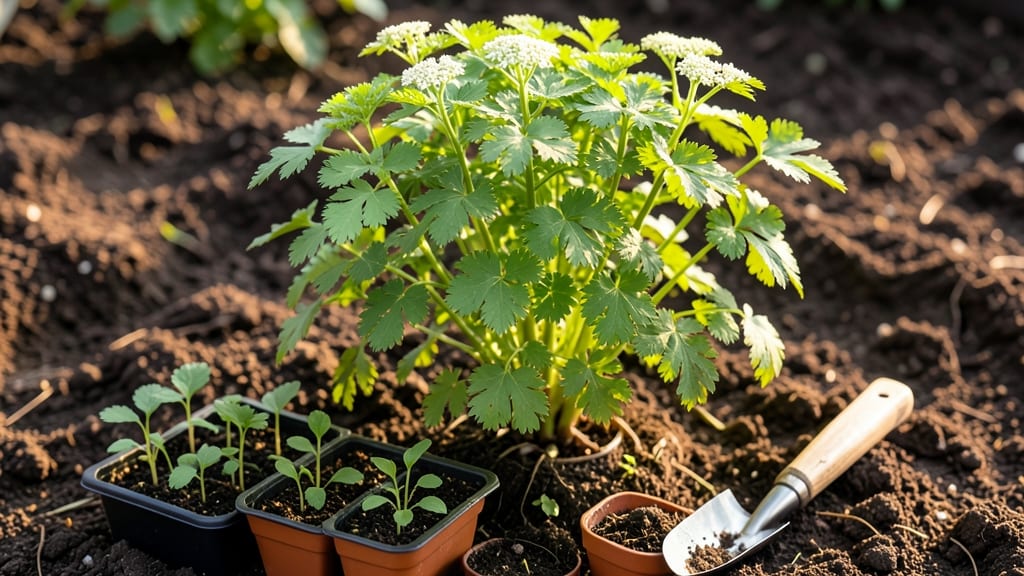
Timing your cilantro planting in Missouri can mean the difference between a vibrant, flavorful harvest and bitter, bolted leaves that ruin your dishes. This cool-weather herb thrives when temperatures stay mild, but Missouri’s unpredictable spring and fall seasons make getting it right tricky.
If you’ve ever planted cilantro only to watch it bolt into flower stalks by summer, you’re not alone. The key is understanding your hardiness zone—whether you’re in 5b or 6b—and aligning your planting schedule with frost-free deadlines.
I’ll show you exactly when to start seeds indoors or transplant seedlings for a continuous supply of fresh 🌿 cilantro all season.
Spring and fall are your best bets in Missouri, but even then, a few weeks too early or late can spell disaster. We’ll break down the ideal planting windows, how to extend the growing season, and companion plants that keep your cilantro happy and productive.
Ready to master the art of growing cilantro that actually tastes good?
Let’s dive into the frost dates, soil prep, and succession planting strategies that will give you a steady harvest from May through November—no bitter surprises included.
Missouri cilantro planting calendar by hardiness Zone (with frost-free deadlines)
Missouri’s USDA zones 5b-7a create distinct windows for growing cilantro—a cool-season herb that bolts (goes to seed) when temperatures rise above 80°F. Timing your plantings around frost dates and soil temperatures is the secret to avoiding bitter leaves and maximizing harvests.
Northern Missouri (Zones 5b-6a) has later last-frost dates, while southern regions (Zones 6b-7a) face earlier heat stress. I’ll break down the ideal planting months for each zone, plus how to stretch your harvest using succession planting and shade strategies.
🌱
| Zone | Last Frost Date | First Frost Date | Spring Planting Window | Fall Planting Window | Harvest Window |
|---|---|---|---|---|---|
| 5b (North MO) | April 25 | October 10 | March 15 - April 10 | August 1 - August 20 | May 1 - June 15 (spring) / Sept 15 - Oct 5 (fall) |
| 6a (Central MO) | April 15 | October 15 | March 1 - April 5 | July 25 - August 10 | April 20 - June 10 (spring) / Sept 1 - Oct 10 (fall) |
| 6b (South-Central MO) | April 1 | October 20 | February 20 - March 20 | July 15 - July 30 | March 20 - May 20 (spring) / Aug 15 - Oct 15 (fall) |
| 7a (Southeast MO) | March 25 | November 1 | February 1 - March 10 | July 1 - July 15 | March 1 - May 10 (spring) / Aug 1 - Oct 20 (fall) |
For Zone 5b gardeners, aim to plant cilantro 4-6 weeks before the last frost (around March 15) to ensure soil temperatures stay below 75°F. In Zone 7a, you can start as early as February 1, but watch for early bolting if temperatures spike.
Fall plantings are trickier—sow seeds 8-10 weeks before your first frost date. In northern Missouri, this means August 1, while southern regions can extend to July 15 for a late harvest.
🌡️ Pro Tip: Use a soil thermometer to confirm temperatures are between 60-75°F before planting. Cilantro won’t germinate well in cold soil (below 50°F).
Missouri’s summer heat is cilantro’s enemy. By June 1, most spring plantings will bolt, and by August 15, fall plantings must be in the ground to avoid heat stress.
The key is succession planting: sow new seeds every 2-3 weeks in spring and every 3 weeks in fall to keep a steady supply.
🌿 Zone-Specific Adjustments: Southern Missouri gardeners can experiment with shade cloth (30-50%) to extend summer harvests, while northern gardeners should prioritize early spring and late fall plantings for the best results.
If you’re in Zone 6a or warmer, try a partial-shade location (like under a tree with dappled sunlight) to delay bolting. Pair cilantro with lettuce or spinach—these shade-tolerant companions help keep the soil cool and reduce stress on your cilantro plants.
How to extend cilantro’s growing season in Missouri (avoiding bolting and heat stress)
Missouri’s summer heat turns cilantro bitter faster than you can say "salsa night." But with the right tricks, you can keep your cilantro thriving through late spring and early fall.
The key? Shade, succession planting, and smart companion choices. Let’s break down the most effective strategies to beat the heat and keep your harvest fresh.
First, shade cloth is your cilantro’s best friend during Missouri’s hot months. A 30-50% shade cloth filters intense sunlight while letting enough light through for growth. Install it when daytime temps hit 80°F+—usually by June in most zones.
This simple step can delay bolting by 2-4 weeks, giving you more harvest time.
🌿
📊 Top Techniques to Extend Cilantro’s Season
For a non-stop harvest, try succession planting. Start your first batch in early March, then sow new seeds every 2-3 weeks until mid-July. This ensures you always have fresh cilantro leaves ready to pick—no bitter surprises!
Just remember: stop planting by August 1st in most of Missouri, or your fall crop will bolt before harvest.
Don’t underestimate the power of companion planting. Pair your cilantro with lettuce, spinach, or bush beans to create a natural shade canopy. These plants also help retain soil moisture, reducing the need for frequent watering. Plus, they deter pests like aphids that love cilantro. Win-win!
If you’re growing cilantro in containers, take advantage of their mobility. Move pots to shadier spots during afternoon heat (2 PM–6 PM) and return them to sunny areas in the morning.
This mimics the natural shade patterns cilantro craves in its native Mediterranean climate. A simple trick, but it works wonders for heat-sensitive varieties like ‘Santo’ or ‘Calypso’.
Finally, harvest regularly to encourage new growth. Pinch off outer leaves when they reach 3-4 inches, and avoid letting the plant flower. The moment you see bolting stems, harvest the remaining leaves and compost the plant—bolted cilantro is still edible but loses its fresh, citrusy flavor.
With these tips, you’ll enjoy homegrown cilantro from April through October in Missouri!