
Plants
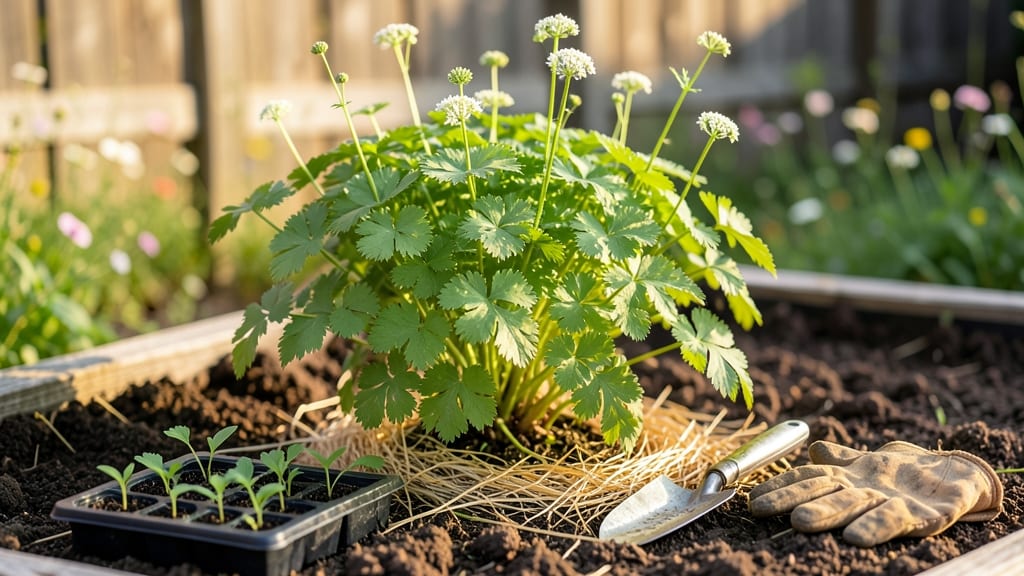
If you’ve ever planted cilantro in North Carolina only to watch it bolt into bitter flowers before you can harvest a single leaf, you’re not alone. The key to growing lush, flavorful cilantro 🌱 lies in timing—and getting it right means avoiding the frustration of wasted effort.
North Carolina’s climate zones 6b-8a create unique challenges, from early spring warmth to late-summer heat waves. But with the right planting schedule, you can enjoy fresh cilantro from March through November without the dreaded bolting.
I’ll show you exactly when to plant for maximum success, whether you’re in the Coastal Plain, Piedmont, or Mountains.
The secret isn’t just about picking the right months—it’s about understanding how cilantro behaves in your specific microclimate. From succession planting to shade tricks, I’ll break down the science-backed hacks that keep your cilantro thriving all season. Let’s make sure your next batch stays leafy, tender, and ready for harvest.
Whether you’re a beginner or a seasoned gardener, these tips will help you grow cilantro that’s bolting-resistant and packed with flavor. Ready to transform your garden? Let’s get started.
Best planting windows for cilantro in NC: avoid bolting with these months
North Carolina's diverse climate—from the Coastal Plain to the Mountains—means cilantro planting windows vary dramatically. In Zone 7b (Piedmont) and Zone 8a (Coastal), you’ve got two prime chances: early spring and late summer.
But in cooler Zone 6b (Mountains), focus on spring and fall to avoid frost damage. Let’s break down the exact months and microclimate tweaks to keep your cilantro thriving.
Your first planting window opens 4-6 weeks before your last frost date. For most of NC, that’s mid-February to early March. In the Coastal Plain, where winters are milder, you can push it to late January.
The key? Soil temps should stay above 40°F (4°C)—use a soil thermometer if unsure. Planting too early risks frost damage or stunted growth.
For fall harvests, aim for late summer sowings. In the Mountains, seed in late July to early August for a September-November harvest before frost. Coastal areas can extend this to mid-August.
The trick? Start seeds indoors 6-8 weeks before transplanting to give seedlings a head start against NC’s 90°F+ (32°C+) summer heat.
Here’s the critical rule: Never plant cilantro when daytime temps exceed 75°F (24°C). It’ll bolt faster than a rabbit in a garden. Use this table to map your region’s ideal windows:
| NC Region | Spring Window | Fall Window | Key Risk |
|---|---|---|---|
| Coastal Plain (Zone 8a) | Late Jan–Early Mar | Mid-Aug–Late Sep | Humidity/mildew |
| Piedmont (Zone 7b) | Mid-Feb–Early Apr | Late Jul–Early Sep | Heat bolting |
| Mountains (Zone 6b) | Early Mar–Mid-Apr | Late Jul–Mid-Aug | Frost damage |
📅 Pro Tip: Use your local Cooperative Extension office’s frost date calculator for hyper-local precision.
If you’re in Zone 8a (Coastal), you can even try a winter crop! Sow cilantro in November under row covers or in a greenhouse. The mild winters let it grow slowly through December-February, giving you fresh cilantro when spring varieties bolt.
Just watch for freeze warnings—cover plants if temps dip below 25°F (-4°C).
For container growing, adjust timing by 1-2 weeks earlier than in-ground planting. Pots warm up faster and dry out quicker, so start seeds indoors 3 weeks before your outdoor window.
Use 5-inch pots minimum—cilantro hates root-bound stress, which speeds up bolting. Place containers in morning sun to avoid afternoon heat spikes.
One common mistake? Planting cilantro in full sun during summer. Even in NC’s Partial Sun zones, cilantro wilts under 6+ hours of midday sun. Instead, give it morning sun only or dappled shade from trees.
Mulch with straw to keep roots cool—this single trick can delay bolting by 2-3 weeks.
To calculate your exact frost dates, plug your ZIP code into the NC State Climate Office’s frost tool. For example, Asheville (Zone 6b) has a last frost of April 15, while Wilmington (Zone 8a) averages March 1.
Plant cilantro 6 weeks before your last frost for a May harvest—just in time for salsas and soups!
For succession planting, sow new cilantro every 2-3 weeks from March to September. This ensures a continuous harvest and minimizes bolting risks. In fall, your last planting should be 8 weeks before first frost—so if frost hits November 15, seed by mid-September.
Remember: Cilantro’s flavor peaks when it’s young and cool. The older it gets, the more bitter it becomes—especially in NC’s hot summers. By mastering these region-specific windows, you’ll enjoy fresh, tender cilantro from spring to fall without the bitter disappointment. 🌱
How to extend cilantro's growing season in NC heat (without it going to seed)
North Carolina’s summer heat is cilantro’s worst enemy—temperatures above 75°F trigger bolting, turning your leafy green into bitter flowers before harvest. But with the right strategies, you can extend cilantro’s season and enjoy fresh leaves well into fall.
The key is combining succession planting, shade solutions, and heat-resistant varieties.
Start by planting heat-tolerant cilantro varieties like ‘Slow Bolt’ or ‘Calypso’ in late summer (August). These varieties resist bolting better than standard types, giving you a 4-6 week window of harvest before cooler weather arrives.
Pair this with partial shade using row covers or shade cloth to keep soil temps below 70°F.
Here’s how to maximize your cilantro’s growing season without it going to seed:
Sow cilantro seeds every 2 weeks from March through August. This ensures a continuous harvest and prevents gaps in your supply. For example, plant one batch in early March, another in late April, and a final batch in early August for a fall harvest.
Install shade cloth over cilantro beds once temps hit 80°F. This reduces soil heat and delays bolting. For containers, move pots to a morning sun, afternoon shade location.
Apply a 2-inch layer of mulch to retain moisture and cool roots. Organic mulches like straw or grass clippings also suppress weeds and keep soil temps 5-10°F cooler.
Opt for cilantro types like ‘Santo’ or ‘Leisure’—these varieties handle warmer temps better than standard cilantro. Check seed packets for bolting resistance ratings.
Water cilantro deeply at soil level every morning to avoid stress. Wet leaves encourage fungal diseases, so avoid overhead watering. Aim for 1 inch of water per week during dry spells.
Pinch off flower buds and outer leaves regularly to encourage bushier growth. Harvest leaves before flowering to maintain flavor and delay bolting.
Plant cilantro near basil or dill to create shade and improve flavor. These companions also deter pests like aphids, which stress cilantro plants.
With these strategies, you can enjoy fresh cilantro from spring to fall in North Carolina. The trick is staying proactive—monitor soil temps, adjust shade, and keep up with succession planting. Before you know it, you’ll have a year-round supply of tender leaves for your favorite recipes.
Pro tip: If cilantro bolts too early, harvest the seeds—they’re great for cornbread or spicy dishes! 🌱