
Plants
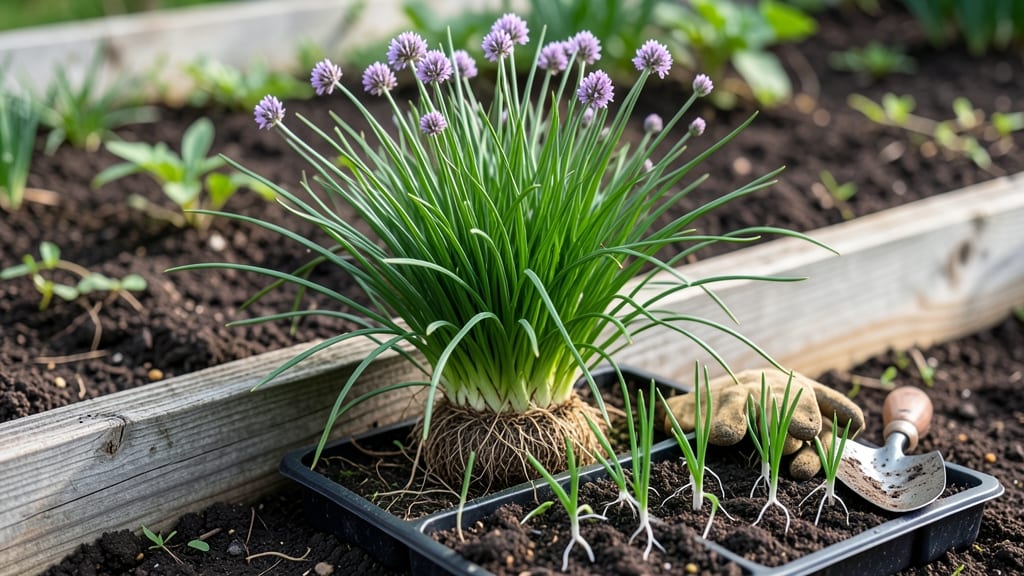
Timing your chives planting in Zone 7 can make or break your herb garden's success—especially when you're eager for that first harvest of fresh, snappy green 🌿.
The difference between a thriving patch and a slow start often comes down to planting just 4-6 weeks before your last frost date, which in Zone 7 typically lands in early April.
If you're wondering when to plant chives in Zone 7, the answer lies in understanding your local climate quirks. Chives are hardy perennials, but they still need a head start to establish roots before the ground warms up.
Planting too early risks frost damage, while waiting too long might mean slower growth before summer's heat sets in.
For fastest results, aim for early spring or early fall—both windows give chives enough time to grow before extreme temperatures arrive. In Zone 7, that means getting seeds or transplants in the ground by March 15 for spring or September 15 for fall, adjusting for your specific last frost date.
Once you nail the timing, you'll enjoy a steady supply of chives all season long. Let me walk you through exactly how to prepare your soil, protect young plants, and extend your harvest—so you can start clipping those flavorful stems in just 60 days or less.

Best planting weeks for chives in Zone 7 before last frost
If you’re dreaming of snipping fresh chives straight from your garden, timing your Zone 7 planting is everything. Chives thrive when planted 4-6 weeks before your last frost date, which in most of Zone 7 falls around mid-April.
This gives seedlings enough time to establish roots before summer heat arrives—critical for fast germination and robust growth.
For spring planting, aim for early March to early April. Chives are cold-hardy perennials, but they need soil temperatures above 40°F (4°C) to sprout consistently. If your soil is still chilly, consider starting seeds indoors 6-8 weeks before transplanting to avoid delays.
Don’t overlook fall planting either! Chives planted in early September can establish roots before winter, giving you an earlier harvest next spring. Just be sure to mulch heavily after the first frost to protect young plants from freeze-thaw cycles.
Here’s the key: Zone 7’s last frost date varies slightly—check your local USDA frost map for precision. For example, Atlanta, GA averages March 15, while St. Louis, MO is closer to April 1. Adjust your timeline accordingly to avoid frost damage.
🌱 Chives Planting Timeline for Zone 7
| Stage | Action | Timeframe |
|---|---|---|
| Indoor Start (Optional) | Sow seeds 6-8 weeks before last frost | Late January–February |
| Direct Spring Planting | Transplant seedlings or sow seeds outdoors | Early March–Early April |
| Fall Planting | Plant seeds or seedlings for spring harvest | Early September |
| Mulching | Apply 2–3 inches of mulch after planting | Spring & Fall |
Pro tip: Soil temperature matters more than air temperature. Use a soil thermometer to confirm it’s above 40°F (4°C) before planting. If your soil is still cold, wait 1-2 weeks—rushing can lead to slow germination or seed rot.
Chives are perennial in Zone 7, meaning they’ll return year after year if planted correctly. But for the first year, focus on getting them established before summer heat. Once rooted, they’ll tolerate drought and heat better than many herbs, making them a low-maintenance addition to your garden.
For container gardening, plant chives in well-draining pots and place them where they’ll get 4-6 hours of sun daily. Containers warm up faster in spring, so you can plant 1-2 weeks earlier than in-ground soil. Just ensure pots have drainage holes to prevent root rot.
Remember: Chives grow best in loose, fertile soil. Amend your garden bed with compost or aged manure before planting to encourage strong root development. Avoid heavy clay soils, which can smother roots and stunt growth.
By following these Zone 7-specific guidelines, you’ll have lush chives ready for harvest in just 60-90 days—perfect for adding to salads, soups, or homemade herb blends all season long! 🌿
Best planting weeks for chives in Zone 7 before last frost
Chives thrive in Zone 7 when planted at the right time—typically 4-6 weeks before your last frost date, which usually falls around April 15 in most of the region. For fastest growth, aim to get seeds or transplants in the ground by mid-March for spring planting.
This gives chives enough time to establish roots before the soil warms up and summer heat arrives.
If you prefer a fall harvest, plant chives 8-10 weeks before your first frost, around mid-September. Fall-planted chives often produce a second flush of growth in early spring, giving you a head start on the season.
Just be sure to protect young plants with a light frost cloth if late frosts linger.
Here’s a quick reference for your planting timeline in Zone 7:
| Planting Window | Ideal Month | Soil Temperature | Notes |
|---|---|---|---|
| Spring Planting | Mid-March to early April | 40-50°F | Plant 4-6 weeks before last frost for fast growth. |
| Fall Planting | Mid-September to early October | 50-60°F | Avoid planting too late; chives need time to root before winter. |
For Zone 7 gardeners, soil temperature is key—chives germinate best when soil reaches 40-50°F. Use a soil thermometer to check before planting, especially if your spring arrives late. If temperatures dip unexpectedly, cover seedlings with row covers or mulch to protect them until they’re established.
Another pro tip: Chives are perennial, so once planted, they’ll return year after year. If you’re starting from seed, sow them ¼-inch deep and keep the soil moist until germination, which typically takes 10-14 days.
Transplants, on the other hand, can go straight into the ground with minimal fuss.
Don’t wait until the last minute—chives planted too late may struggle to mature before summer’s heat sets in. By following these timing guidelines, you’ll enjoy a steady harvest of snappy chives by late spring or early summer.
And if you time it right, you might even get a second harvest in fall!