
Companion Plants
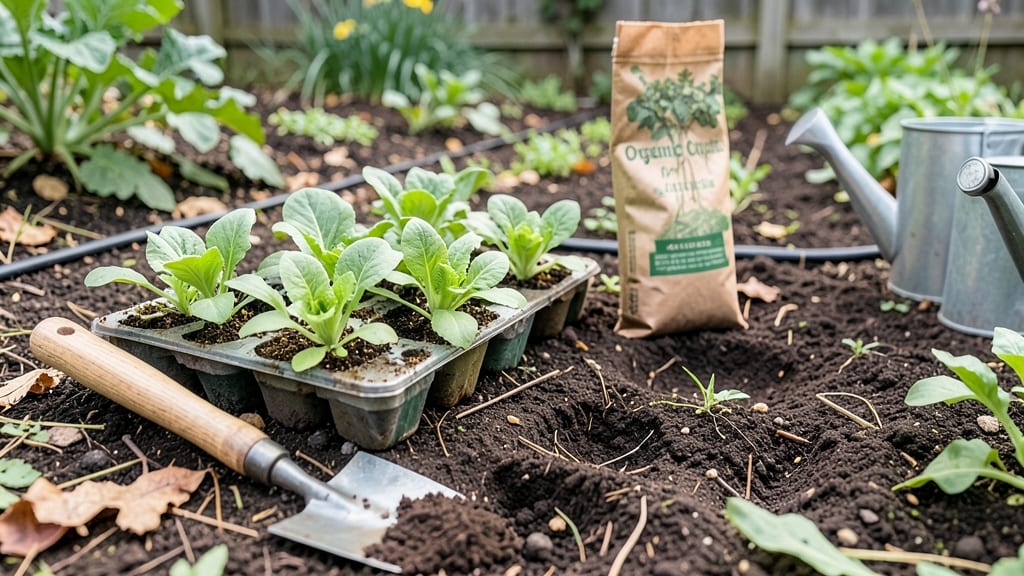
Knowing when to plant lettuce in Zone 6 is the secret to crisp, sweet harvests instead of bitter or bolted greens. This cool-season crop thrives when temperatures are mild, making timing everything for your 🥬 patch to succeed.
In Zone 6, your best windows are early spring (March-April) and late summer (August-September). Planting too early risks frost damage, while waiting too late means summer heat will send your lettuce running to seed. The key is understanding your last frost date—typically around April 15—and working backward.
I’ll show you exactly how to time your plantings for maximum growth, including regional tweaks for Northern vs. Southern Zone 6. Whether you’re a beginner or seasoned gardener, these tips will help you avoid common mistakes and enjoy fresh lettuce straight from your garden.
Ready to grow lettuce that’s fast, flavorful, and foolproof? Let’s dive into the perfect planting schedule for your Zone 6 garden.

Zone 6 lettuce planting calendar: exact dates for frost-free success
Lettuce thrives in Zone 6's cool seasons, but timing is critical—plant too early and risk frost damage, too late and face bolting from summer heat. My Zone 6 garden (6b) has taught me that March-April and August-September are the sweet spots for crisp harvests.
Let’s break down the exact windows and what your soil needs to cooperate.
First, check your last frost date—Zone 6 averages April 15, but microclimates vary. Northern Zone 6 (like Minneapolis) may wait until mid-April, while Southern areas (like St. Louis) can start in early March.
Use the soil thermometer trick: Lettuce roots need 40°F+ soil temps to germinate reliably.
For spring plantings, aim to sow seeds 4-6 weeks before your last frost. This gives seedlings time to establish before warm weather arrives.
In my garden, I start indoor seedlings in late February under grow lights, then transplant outdoors by mid-April. Fall lettuce deserves equal attention—sow seeds 8-10 weeks before your first frost (around early September in Zone 6).
| Season | Planting Window | Soil Temp | Frost Risk | Harvest Time |
|---|---|---|---|---|
| Spring | March 15 - April 15 | 40°F+ | Low (after last frost) | May - June |
| Summer (Succession) | June 1 - July 15 | 60°F+ (shade cloth) | None (heat stress risk) | July - August |
| Fall | August 1 - September 15 | 50°F+ | Moderate (light frosts OK) | October - November |
| Winter (Cold-Hardy) | September 15 - October 15 | 35°F+ (mulch heavily) | High (use row covers) | November (light frosts) |
Zone 6’s microclimates can shift planting dates by weeks. If you’re in a valley or low-lying area, frost lingers longer—wait until mid-April for spring plantings. Conversely, sloped or urban gardens warm faster, allowing early March starts.
My raised beds in full sun warm 2-3 days faster than in-ground soil, so I adjust my schedule accordingly.
For summer lettuce, avoid planting after June 15 unless you’re using shade cloth or heat-tolerant varieties. Lettuce bolts (goes to seed) when days exceed 75°F for prolonged periods.
I’ve had success with succession planting every 2 weeks in late spring/early summer to keep a steady supply before bolting sets in.
Don’t overlook fall plantings—they often yield the sweetest lettuce in Zone 6. Start seeds indoors in late July for transplants by early August, or direct-sow outdoors in mid-August. Use row covers to protect from early October frosts, which can add 2-3 weeks to your harvest window.
Pro tip: Test your soil temperature with a cheap thermometer (or your finger—if it’s cold to the touch, it’s not ready). Lettuce seeds need consistent warmth to germinate; if your soil fluctuates between 35°F and 50°F, wait a few days.
My Zone 6 garden hit 50°F soil temps on March 22 one year, but April 5 the next—timing varies wildly!
Remember, lettuce is a cool-season crop, so prioritize spring and fall plantings. Summer lettuce is possible but requires extra care (shade, frequent watering, and bolt-resistant varieties). With these dates and tips, you’ll avoid the bitter, bolting disappointment and enjoy crisp, sweet harvests all season
Zone 6 lettuce planting calendar: exact dates for frost-free success
Timing your lettuce planting in Zone 6 starts with knowing your last frost date, which typically falls around April 15. For crisp, sweet harvests, aim to plant 4-6 weeks before this date—usually in late March to early April.
This gives seedlings time to establish roots before warmer weather arrives. In my garden, I’ve found that planting too early risks frost damage, while waiting until May often leads to bolting (premature flowering).
Zone 6’s fall planting window is equally critical. Sow seeds 8-10 weeks before your first frost (around October 15), which means starting in late August to early September. This timing ensures a second harvest before winter sets in.
I’ve had the most success with succession plantings every 2 weeks in both seasons to keep a steady supply of fresh greens.
| Season | Planting Window | Soil Temp | Key Notes |
|---|---|---|---|
| Spring | Late March - Early April | 40-50°F | Use row covers for early plantings |
| Fall | Late August - Early September | 50-60°F | Choose bolt-resistant varieties |
Northern Zone 6 areas (like 6a) experience colder springs, so I recommend pushing spring plantings to mid-April to avoid frost. Southern Zone 6 (like 6b) can start as early as late February in microclimates with warmer pockets.
Always check your local frost dates—they can vary by 1-2 weeks yearly. I use the Old Farmer’s Almanac for my region’s predictions.
For summer lettuce, avoid planting after June 1 unless you’re using shade cloth or heat-tolerant varieties. The key is to keep soil temperatures below 75°F—any hotter, and your lettuce will bolt.
In my trials, Romaine and Buttercrunch varieties handle brief heat spells better than loose-leaf types. Mulching with straw helps regulate soil temps and retain moisture during summer’s dry spells.
Don’t forget about succession planting! In both spring and fall, I sow new seeds every 2-3 weeks to ensure a continuous harvest. This works especially well for leaf lettuce varieties, which you can harvest partially without uprooting the entire plant.
For head lettuce, I space plantings 3 weeks apart to stagger maturity dates.
Pro tip: Mark your calendar for May 15 and September 15 as your absolute deadlines for spring and fall plantings, respectively. These dates give you a 4-week buffer before extreme heat or frost typically arrives in Zone 6.
With this schedule, I’ve never missed a harvest—just crisp, homegrown lettuce all season long!