
Plants
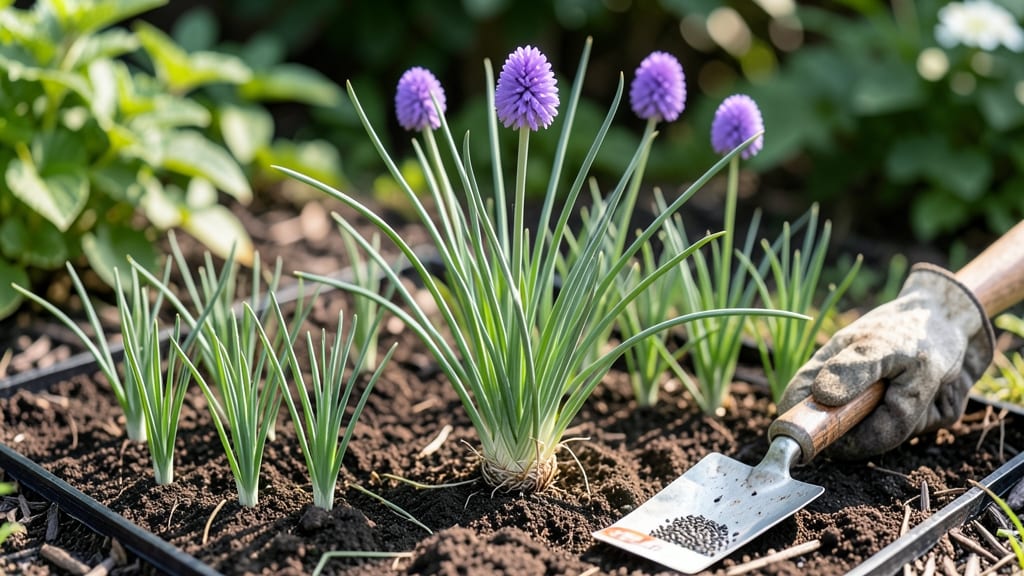
If you've ever wondered when to plant chives in Texas, timing is the secret to a thriving 🌿 harvest that lasts nearly all year. Texas gardeners know the state's extreme heat and occasional freezes can make or break your garden—especially for hardy herbs like chives that love mild conditions.
The good news? With the right schedule, you can enjoy fresh chives from spring through fall, even in the most challenging zones like 8a-10b.
Most Texas gardeners plant chives in late fall (September-November) or early spring (February-March) to avoid the brutal summer heat. This timing lets chives establish strong roots before winter chills or scorching temperatures set in.
But here's the game-changer: chives are actually perennials in Texas, meaning they'll regrow year after year if you plant them correctly.
Whether you're transplanting seedlings or sowing seeds directly, the key is getting them in the ground when soil temperatures drop below 80°F. That means fall planting is ideal for most regions, while North Texas gardeners might add a spring planting after the last frost.
Let me show you exactly how to time it perfectly for your specific Texas zone.
Once planted, chives are low-maintenance but require consistent care to thrive. We'll cover everything from watering tips to extending your harvest through Texas summers—so you can enjoy fresh chives in your kitchen all year long. Ready to grow your own flavorful harvest?
Best planting months for chives in Texas regions (North vs. Central vs. South)
Planting chives in Texas requires precision because the state’s USDA Zones 7-10 create wildly different conditions from North to South. In North Texas (Zone 8a), where frost can linger until mid-January, your window is tight—focus on fall planting (September-November) to establish roots before winter.
Meanwhile, South Texas (Zone 10a) gardeners can plant almost year-round, thanks to milder winters and longer growing seasons.
For Central Texas (Zone 8b-9a), the sweet spot is late summer to early fall (August-October) or early spring (February-March). This balance lets you avoid extreme heat and still harvest before summer’s peak.
The key is soil temperature: chives thrive when soil cools below 80°F, signaling it’s time to plant.
Here’s how Texas regions differ in frost dates and planting windows:
| Region | USDA Zone | Last Frost | First Frost | Best Planting Months |
|---|---|---|---|---|
| North Texas | 8a | Mid-January | Early December | September–November, February–March |
| Central Texas | 8b–9a | Late January | Mid-November | August–October, February–March |
| South Texas | 10a | Mid-December | Early November | Year-round (avoid peak summer) |
In North Texas, where winters can drop below 20°F, chives are perennial but semi-hardy.
They’ll survive mild winters but may need mulch protection (2–3 inches of straw) to prevent freeze damage. Central Texas offers the best balance—chives often regrow from the same clumps year after year with minimal care, while South Texas gardeners can treat them as annuals for continuous harvests.
For spring planting, wait until 2–3 weeks after your last frost date to avoid transplant shock. In North Texas, this is usually mid-March, while South Texas can start as early as February.
Always direct-sow seeds or transplant 6-inch seedlings into well-draining soil with 12–18 inches of spacing to prevent overcrowding.
Pro tip: Fall-planted chives in Central and North Texas often outperform spring plantings because they establish deeper roots before winter. By late October, chives planted in these regions will be halfway to maturity by spring, giving you a 3–4 month head start on harvests.
If you’re in South Texas, succession planting every 6 weeks from September to March ensures you never run out of fresh chives.
The heat tolerance of chives makes them ideal for Texas summers, but they’ll bolt (flower) faster in 100°F+ temps, so provide light afternoon shade during peak summer to extend their life.
Remember: Chives are cold-hardy but heat-sensitive. The optimal soil temperature for planting is 50–70°F. Use a soil thermometer to check before sowing—this small investment saves time and frustration.
For container gardening, plant chives in 5–7 inch pots with drainage holes and use a lightweight potting mix. Containers warm up faster in spring, so delay planting until late March in North Texas to avoid heat stress.
How to extend your chives harvest year-round in Texas heat
Texas summers can be brutal, but with the right strategies, your chives can thrive—and even produce—throughout the year. The key is understanding how to beat the heat while keeping your plants healthy.
Unlike many herbs, chives are surprisingly resilient, and with a few adjustments, you can enjoy fresh harvests 10-12 months out of the year.
One of the biggest challenges in Texas is the intense heat and drought conditions, which can stress chives and reduce their growth.
However, by focusing on succession planting, shade solutions, and soil moisture management, you can extend your harvest window well beyond the typical spring and fall seasons. Let’s break down the best ways to keep your chives growing strong, even when the thermometer climbs.
Plant new chives every 4-6 weeks from February to October to ensure a continuous supply. This works especially well in South Texas, where winters are milder.
Use shade cloth (30-50%) or plant near tall perennials to protect chives from midday sun. This is critical in Central and North Texas during peak summer months.
Apply a 2-3 inch layer of mulch (straw or wood chips) to retain moisture and keep roots cool. This is especially effective in dry, sandy soils common in West Texas.
Water deeply in the morning to encourage root growth and reduce evaporation. Avoid overhead watering, which can lead to fungal issues in Texas’ humid summers.
Another trick is to choose heat-tolerant varieties like ‘Garlic Chives’ or ‘Common Chives’, which handle Texas heat better than some other herbs. If you’re in North Texas, you might also consider overwintering chives by mulching heavily and protecting them with frost cloth during unexpected cold snaps.
With these strategies, you’ll have fresh chives ready to harvest almost anytime you need them!
Don’t forget to harvest regularly—cutting back the foliage encourages bushier growth and prevents your chives from becoming leggy. A little extra care in the heat goes a long way in keeping your chives thriving, no matter the season. 🌿