
Plants
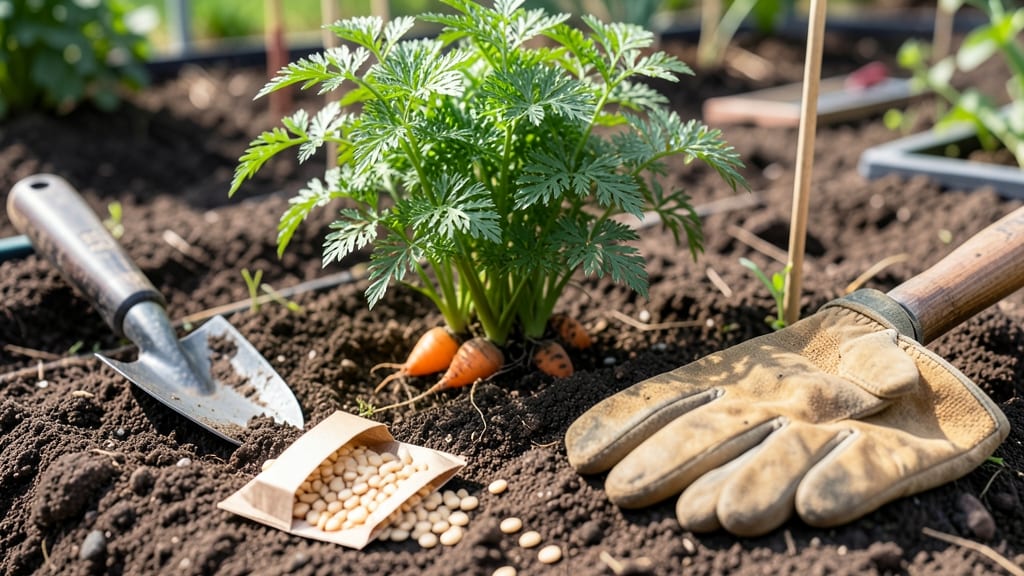
Timing your spring carrot planting just right can mean the difference between a fast, bountiful harvest and months of frustration waiting for those 🥕 to sprout. The key isn't just about the calendar—it's about understanding your soil's hidden secrets, like temperature and moisture levels that most gardeners overlook.
If you've ever planted carrot seeds only to watch them sit stubbornly in the ground for weeks, you're not alone. The solution lies in planting 4-6 weeks before your last frost date, when soil temperatures hit that sweet spot between 40°F and 85°F—the magic window for germination.
But here's the catch: even in Zone 6a, where spring arrives earlier than you'd think, rushing the process can backfire big time.
I'll show you exactly how to read your soil's signals, choose the right varieties for your climate, and use simple tricks to jumpstart germination—even when Mother Nature seems determined to keep things cool.
By the end, you'll know not just when to plant, but how to set your carrots up for success from day one.
Ready to turn your spring planting into a game-changer? Let's dig into the strategies that'll have your garden producing crisp, sweet carrots in record time—without the guesswork.
Ideal soil temperature for planting carrots in spring
Carrot seeds are notoriously picky about soil temperature. They need consistent warmth—typically between 40°F and 85°F—to germinate reliably. Planting too early in cold soil often leads to rotten seeds or slow, uneven sprouts.
The sweet spot? Aim for 60°F to 70°F for the fastest germination, usually 2-4 weeks after your last frost date.
Your local USDA hardiness zone plays a huge role. In Zones 3-5, wait until mid-to-late spring when soil warms to 50°F+. Gardeners in Zones 6-10 can start earlier, often by early March. Always check with a soil thermometer—it’s your best tool for accuracy.
🌱
Microclimates matter just as much as your zone. A south-facing bed warms up faster than a north side, so plant there first. If your soil stays stubbornly cold, consider raised beds or black plastic mulch to raise temperatures by 5-10°F.
Even a thin layer of straw can help insulate seeds until the ground warms.
Don’t rely on air temperature—soil stays cold long after spring arrives. Dig a 6-inch hole, fill it with water, and time how long it takes to cool. If it’s below 50°F after 10 minutes, your soil’s not ready. Patience here prevents wasted seeds and frustration.
For early varieties like 'Paris Market' or 'Little Finger', you can push the envelope slightly, but longer-season types like 'Danvers' need that 60°F+ soil to avoid leggy, slow-growing roots. Always match your seed variety to your climate—it’s the secret to success.
If you’re in a cooler zone (3-5), start seeds indoors 4-6 weeks before your last frost and transplant seedlings when soil hits 55°F+. This gives you a 2-week head start on the season. Just be gentle when transplanting—carrot seedlings are fragile.
🌿
One common mistake? Planting too early just because "spring feels like it’s here." False starts happen when seeds rot in cold, wet soil. Always wait for consistent warmth—even if it means delaying by a week or two. Your carrots will thank you with sweeter, straighter roots and faster germination.
Pro tip: Mix carrot seeds with sand before planting. This improves spacing and makes it easier to see where seeds are sown—critical for thinning seedlings later. Aim for 1/4-inch depth and keep soil moist but not soggy until sprouts appear.
Spring planting timeline by USDA zone: exact weeks for maximum yield
Timing your carrot planting isn’t just about the calendar—it’s about your USDA zone and last frost date. Carrots thrive when soil temperatures hit 40°F–85°F, but cooler zones need an earlier start. Here’s how to align your planting with your climate for peak harvests.
For USDA Zones 3-5, start seeds 4-6 weeks before your last frost, often in early April. In warmer Zones 6-10, you can plant as early as late February or even early March, but avoid late spring planting—carrots bolt in heat.
🌱 Pro Tip: Use succession planting every 2-3 weeks to extend harvests. This works especially well in Zones 7-10, where you can squeeze in 2-3 plantings before summer heat sets in.
| USDA Zone | Last Frost Date | Planting Window | Succession Planting | Harvest Window |
|---|---|---|---|---|
| 3-4 | Mid-May | Early April | Every 3 weeks | July–September |
| 5-6 | Early April | Late March–Early April | Every 2 weeks | June–October |
| 7-8 | Mid-March | February–April | Every 2 weeks | April–November |
| 9-10 | Late January | January–March | Every 2 weeks | March–December |
If you’re in Zone 9-10, don’t skip fall planting—carrots grow well in cooler weather and can be harvested through winter in mild climates. Just aim for seeds in the ground 6-8 weeks before your first frost.
🌡️ Watch for: Soil temperature dips below 40°F, which slows germination. Use a soil thermometer or wait until the ground warms naturally—usually 2-4 weeks after last frost.
Missed your ideal window? Short-season varieties like ‘Paris Market’ or ‘Little Finger’ can still work if planted late spring, but expect smaller roots. For best results, stick to the timeline and enjoy crisp, sweet carrots all season!