
Plants
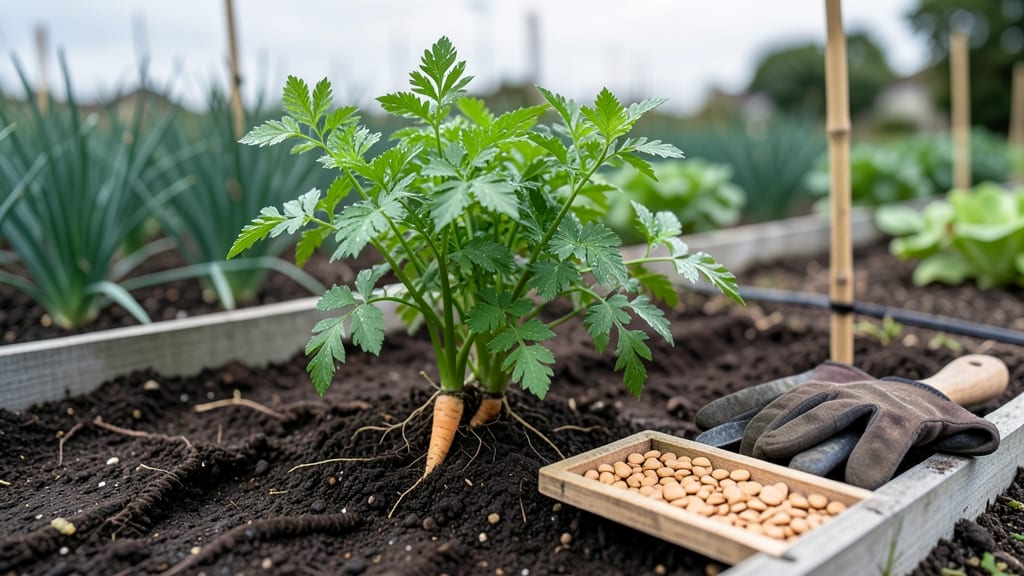
Timing your 🥕 carrot planting in Pennsylvania isn’t just about the calendar—it’s about beating frost, avoiding summer’s heat, and ensuring your harvest stays crisp and sweet. Plant too early, and a late frost will turn your seedlings into sad, wilted memories.
Too late, and you’ll end up with tough, woody roots that even a good stew can’t save.
Here’s the secret: Pennsylvania’s Zone 5b-7a climate gives you two prime windows—early spring and late summer—where the soil is just right for those tiny seeds to sprout and thrive.
Whether you’re a first-time gardener or a seasoned green thumb, nailing these dates means the difference between a bountiful harvest and a disappointing patch of dirt.
I’ve tested the best planting times over the years, and what works isn’t just about the frost dates (though those matter). It’s also about soil temperature, variety choices, and even how you space those seeds.
Let me walk you through the exact mid-April to early July and late July to early September windows that’ll have you pulling carrots straight from the ground all season long.
Ready to grow carrots that taste like they came from a farmer’s market? Let’s dive into the frost-date guide that’ll make your garden the envy of the neighborhood—and your dinner table the star of every meal.
Best planting windows for carrots in Pennsylvania’s Zone 5b climate
Pennsylvania’s Zone 5b climate offers two prime windows for growing crisp, sweet carrots: early spring and late summer. The key is planting when soil temperatures reach 45-55°F, ensuring seeds germinate reliably without frost damage. My frost-date guide helps you time it perfectly for maximum harvests.
For spring planting, aim for mid-April to early May—after the last frost date (typically April 15).
Carrots sown too early risk frost kill, while late planting may lead to bolting (premature flowering) as days lengthen. Fall planting should occur late July to early August for a second harvest before winter.
Here’s how Pennsylvania’s frost-free days (150-200 days) break down for carrot growth:
| Planting Window | Soil Temp | Days to Harvest | Harvest Months |
|---|---|---|---|
| Mid-April to Early May | 45–55°F | 60–80 days | June–July |
| Late July to Early August | 50–60°F | 50–70 days | September–October |
Succession planting every 2–3 weeks between April and July ensures a steady supply of fresh carrots. For example, sow seeds on April 15, May 1, and June 1 to stagger harvests. This method works especially well for short-season varieties like ‘Early Nantes’ (55 days to maturity).
In southern PA (Zone 7a), you can push spring planting to early April or extend fall planting to mid-August. Northern PA (Zone 5a) gardeners should delay until late April and finish by July 15 to avoid frost. Always check your local USDA frost calendar for precision.
Carrots thrive in cool soil, so avoid planting when temperatures exceed 75°F. If summer heat arrives early, opt for shade cloth or drip irrigation to keep roots cool. My go-to varieties for PA’s climate include ‘Danvers Half Long’ (cold-hardy) and ‘Paris Market’ (fast-maturing).
For fall harvests, plant 8–10 weeks before first frost (aim for early September). Carrots grown in fall often develop sweeter flavors due to cooler nights. Use row covers in late September to extend the season if temperatures dip below 40°F.
Pro tip: Test soil moisture before planting—carrots need consistent moisture to prevent cracking. Mulch with straw or shredded leaves to retain moisture and suppress weeds. This simple step can double your yield in PA’s variable climate.
Remember, timing beats everything when growing carrots. By following these windows, you’ll enjoy homegrown carrots from June through October—no grocery store needed! 🥕
Best planting windows for carrots in Pennsylvania’s Zone 5b climate
Pennsylvania’s Zone 5b climate gives you two perfect chances to grow crisp, sweet carrots: early spring and late summer. The key is planting when soil temperatures hit 45-55°F—too cold, and seeds won’t sprout; too hot, and they bolt or turn woody.
For most of the state, this means mid-April to early July for spring plantings and late July to early September for fall harvests.
Your last frost date (around April 15) signals the start of spring planting. But don’t rush—wait until soil warms to 50°F (use a soil thermometer!) to avoid leggy, slow-growing seedlings.
For fall, aim to plant 8-10 weeks before your first frost (usually October 15) so carrots mature before winter sets in.
🌱 Pro Tip: Pennsylvania’s microclimates vary wildly—mountain regions like the Poconos stay cooler longer, while western areas near the Ohio border warm faster. Adjust your planting dates by 1-2 weeks based on your specific location.
| Planting Window | Soil Temp | Frost Consideration | Harvest Time |
|---|---|---|---|
| Early Spring (Mid-April - Early May) | 45-55°F | After last frost (April 15) | June - July |
| Late Spring (Early May - Early July) | 55-65°F | No frost risk | July - August |
| Late Summer (Late July - Early August) | 55-65°F | 8-10 weeks before first frost | September - October |
| Early Fall (Early - Mid-Sept) | 50-60°F | Before hard frost (October 15) | October - November |
*Adjust dates 1-2 weeks based on your microclimate (e.g., mountains vs. valleys).
For continuous harvests, use succession planting: sow seeds every 2-3 weeks from April to July. This ensures you’re always pulling fresh carrots instead of facing a harvest glut all at once. Just remember—thin seedlings to 2-3 inches apart as they grow to prevent overcrowding.
If you’re in southern PA (Zones 6b-7a), you can push spring planting slightly earlier (early April) and extend fall planting into late September. But for northern PA (Zone 5b), stick to the mid-April and late July start dates to avoid frost damage.
One final trick: cover young seedlings with row fabric if late frosts sneak up. This buys you 2-3 extra weeks of planting time without risking your crop. Now you’re ready to plant with confidence—and enjoy those homegrown carrots all season long! 🥕