
Plants
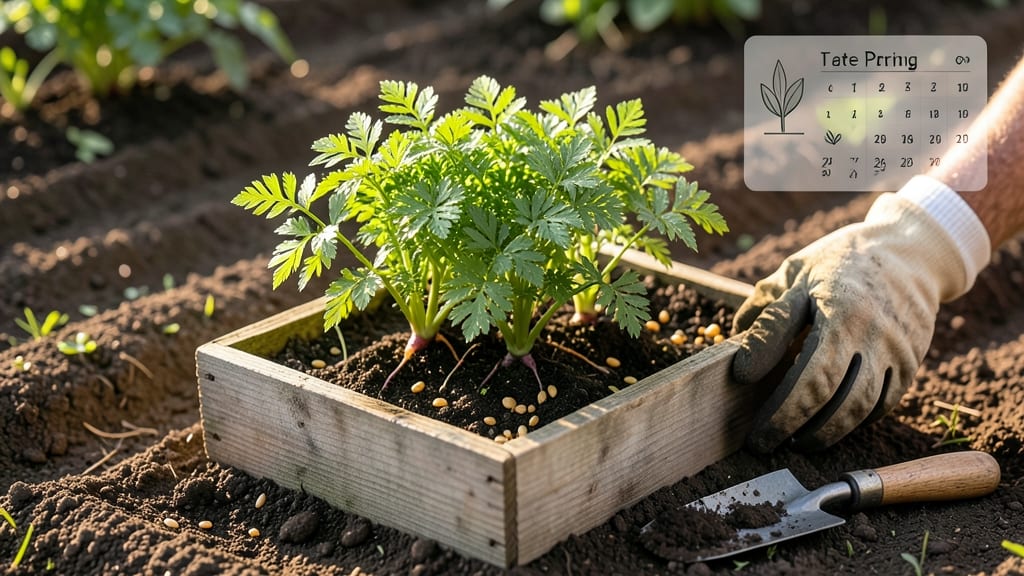
Timing your carrot planting in Georgia (GA) can mean the difference between a bumper crop of sweet, crisp roots and a disappointing harvest. With the right schedule, you’ll avoid the pitfalls of summer heat or early frost that can ruin your 🥕 dreams before they even begin.
Georgia’s 7b-8b climate gives you two prime windows to plant: early spring and late summer. But getting it wrong—like planting too late in March or too early in August—can lead to bolting or stunted growth.
I’ll show you exactly when to start seeds for those perfect harvests in May-June and November-December.
What makes this even trickier is Georgia’s unpredictable weather swings. One week might feel like spring, while the next brings a surprise frost. That’s why I’m breaking down the frost-free timeline and soil temperature secrets that work for both North and South Georgia gardeners.
Ready to grow carrots that rival the ones at the farmers’ market? Let’s dive into the ideal planting months, soil prep tips, and how to stretch your harvest season so you’re eating homegrown goodness year-round.
Georgia carrot planting calendar: best months by region (North vs south)
Georgia’s diverse climate means North Georgia (USDA Zone 7b) and South Georgia (Zone 8b) have different ideal planting windows for carrots. In the cooler North Georgia mountains, you’ll want to start seeds earlier to avoid late frosts, while South Georgia’s warmer zones allow for extended fall plantings.
The key is timing your carrots to germinate in soil that’s at least 50°F (10°C)—too cold, and seeds rot; too hot, and they bolt prematurely.
For spring plantings, North Georgia gardeners should begin sowing carrot seeds in late February under frost cloth, while South Georgia can start as early as mid-January in protected beds.
The last average frost date for most of Georgia is around March 15, but mountain regions like Blue Ridge may see frosts until April 1. Aim to have your carrots established before these dates to ensure strong growth.
Summer heat is the biggest challenge for Georgia carrot growers. Carrots bolt (go to seed) quickly when soil temperatures exceed 85°F (29°C), which happens by late May in South Georgia and June in North Georgia.
That’s why fall plantings in August-September are your best bet for a second harvest—just be sure to use shade cloth if temperatures spike above 80°F (27°C) during germination.
| Region | Ideal Planting Window | Soil Temp for Germination | Last Frost Date | Harvest Window |
|---|---|---|---|---|
| North Georgia (Zone 7b) | Late Feb - Early Mar Aug 15 - Sep 15 |
50-65°F (10-18°C) | Mar 15 - Apr 1 | May - Jun Nov - Dec |
| South Georgia (Zone 8b) | Mid-Jan - Feb 15 Aug 1 - Sep 10 |
55-70°F (13-21°C) | Feb 28 - Mar 10 | Apr - May Oct - Nov |
If you’re in North Georgia’s higher elevations (like Dahlonega or Blairsville), consider using cold-hardy varieties like 'Chantenay Red Core' or 'Danvers', which tolerate cooler soils better than 'Nantes' types.
For South Georgia’s heat, opt for short-day varieties like 'Paris Market' or 'Little Finger', which mature faster and handle summer heat slightly better.
Pro tip: Test your soil temperature with a soil thermometer before planting. Carrot seeds need consistent moisture and 50-70°F (10-21°C) soil to germinate properly. If your soil runs hotter, plant in late afternoon shade or use black plastic mulch to moderate temperatures.
I’ve had the best success with drip irrigation set to water gently twice daily during Georgia’s peak summer months.
Don’t forget that clay-heavy Georgia soils can cause carrots to fork or split. Amend your beds with compost or sand to improve drainage, and avoid working the soil when it’s wet—this compacts it further. For container growing, use a lightweight potting mix with 20% perlite to prevent root deformities.
For a continuous harvest, I recommend succession planting every 2-3 weeks from February through April, then again in August and September. This ensures you’re always pulling fresh carrots while avoiding the bolting risk of planting all at once.
Just remember: shorter days in fall trigger bolting, so use shade cloth (30-50%) if temperatures stay above 75°F (24°C).
One common mistake Georgia gardeners make is planting carrots too deep. Seeds should only be 1/4 inch deep—any deeper, and they won’t germinate. After sprouting, thin seedlings to 2-3 inches apart to prevent crowding, which leads to small, misshapen roots.
I’ve seen gardeners in Athens and Savannah struggle with this, so mark your rows carefully!
Finally, keep an eye on carrot rust fly and wireworms, which are common pests in Georgia. Use row covers early in the season and rotate planting locations yearly to break pest cycles.
With the right timing and care, you’ll be enjoying sweet, homegrown carrots from spring through fall—no store-bought roots needed!
How to extend carrot season in Georgia: succession planting for year-round harvests
Georgia’s long growing season means you can enjoy homegrown carrots almost year-round—but only if you use succession planting to beat the heat and stretch your harvest. Without this strategy, summer’s intense heat causes carrots to bolt (flower prematurely), turning sweet roots into bitter, stringy disappointments.
My trick? Plant in two waves: early spring for May-June harvests and late summer for fall yields. This approach lets you avoid the worst of Georgia’s summer heat while keeping your kitchen stocked with crisp, flavorful carrots through December.
For spring planting, start seeds indoors 6-8 weeks before your last frost (typically mid-March). Transplant seedlings outdoors in early April when soil temps hit 50°F.
For fall planting, sow seeds directly in late August to early September—this gives roots time to mature before the first frost in mid-November.
🌱 5 Pro Tips to Extend Your Carrot Season
- 🌡️ Use shade cloth (30-50%) in summer to lower soil temps by 10-15°F, preventing bolting.
- 💧 Water deeply in morning (1 inch/week) to keep soil consistently moist—drought stress triggers bolting.
- 🌿 Plant companion crops like radishes (they mature fast) or dill (repels pests) to maximize space.
- 🌱 Choose heat-tolerant varieties like ‘Danvers’ or ‘Nantes’—they handle Georgia’s summer better than standard types.
- ⏰ Harvest young (1-1.5 inches) in summer to avoid woody roots—smaller carrots taste sweeter!
Don’t overlook fall succession planting—it’s your secret to winter harvests. After your first fall crop, sow a second batch in late September. Use row covers to extend the season until hard frost (around November 15 in most of GA). This method gives you two harvests before winter sets in.
Pro tip: Mark your planting dates on a garden calendar with reminders for thinning seedlings and fertilizing. I use a simple chalkboard by my raised beds—it keeps me on track for those critical early growth stages when carrots need consistent care.
With these strategies, you’ll enjoy fresh carrots from May through December, even in Georgia’s hot summers. The key? Stay ahead of the heat with smart timing and a little extra shade—your taste buds (and dinner table) will thank you!