
Plants
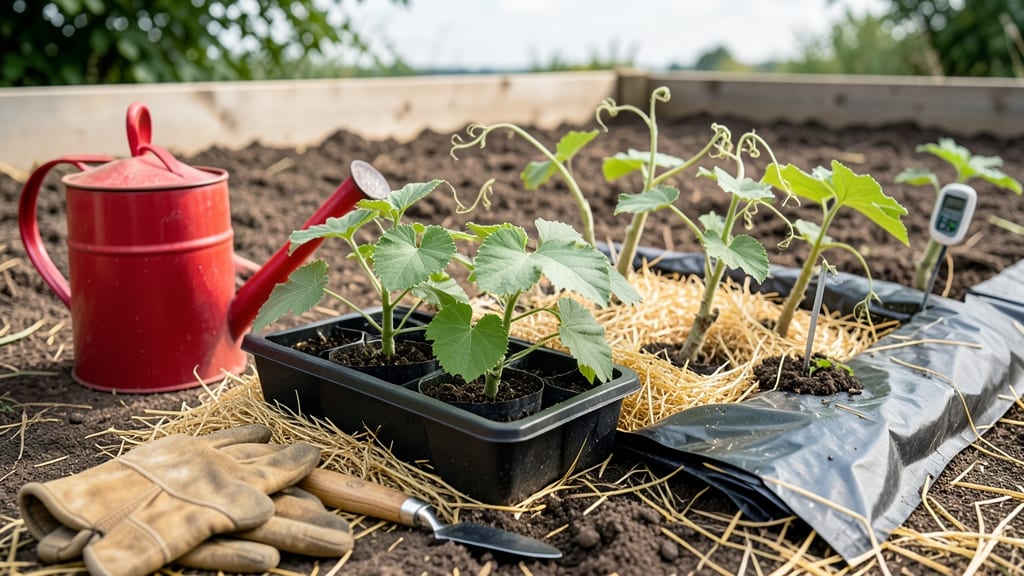
Knowing when to plant cantaloupe in Zone 9b isn’t just about timing—it’s about avoiding that frustrating moment when your seedlings bolt before they even get a chance to grow.
In desert climates like Phoenix, where soil heats up fast, planting too early can trigger premature flowering, while waiting too long risks stunted vines struggling in the heat.
Here’s the game-changer: Your cantaloupe 🍈 thrives when soil temperatures hit 70°F or higher, and nighttime temps stay above 60°F. That usually lands you in late February to early March, but skipping a soil thermometer can turn your garden into a gamble.
Let’s break down the exact window—and how to keep your plants from racing toward flowers before they’re ready.
Why does this matter? In Zone 9b, there’s no frost to worry about, but heat stress and bolting are real threats. The right timing ensures your vines spread properly, set fruit, and deliver sweet, ripe cantaloupes by summer.
We’ll cover soil prep, watering tricks, and even companion plants to outsmart the desert climate.
Ready to skip the guesswork? I’ll walk you through the 3 critical steps to time your planting perfectly—so you’re harvesting instead of troubleshooting. Let’s get those seeds in the ground the right way.

Optimal planting timeline for cantaloupe in Zone 9b: soil temp rules to follow
Zone 9b gardeners enjoy year-round growing potential, but cantaloupe thrives best during specific temperature windows. Unlike cooler zones, you won’t deal with frost—just heat sensitivity that demands precise timing.
The key is waiting until soil temperatures hit 70°F+ and nighttime temps stay above 60°F to prevent bolting or poor germination.
In Zone 9b, your primary planting window opens in late February to early March, when daytime highs reach 75-85°F. This aligns with Phoenix’s and Southern California’s natural warming trends. For a fall harvest, consider late summer planting (August-September) when temperatures begin cooling slightly.
🌱 Pro Tip: Use a soil thermometer to confirm readiness—cantaloupe seeds won’t sprout reliably below 50°F, and seedlings may bolt if exposed to consistent 80°F+ days too soon.
Zone 9b’s lack of frost means you can experiment with succession planting every 3-4 weeks after your initial window. For example, if your first batch bolts due to early heat spikes, a second planting in mid-April might yield better results.
Just ensure consistent moisture—cantaloupe vines wilting even briefly can stress plants in 90°F+ conditions.
🌡️ Watch For: If daytime temps exceed 95°F for more than 3 days, provide afternoon shade to prevent flower drop. Cantaloupe flowers are heat-sensitive and may abort if temps climb too high during pollination.
For container growing in Zone 9b, choose 5-gallon pots with fast-draining mix and plant in late March when soil temps stabilize. Containers heat up faster, so black pots may require even earlier planting to avoid overheating roots.
💧 Watering Hack: In Zone 9b’s dry heat, drip irrigation set to run early morning keeps soil temps 10°F cooler than surface watering, which can scald seedlings. Aim for 1-2 inches per week, delivered slowly to encourage deep root growth.
Finally, test your soil pH before planting—cantaloupe prefers 6.0-6.8. Zone 9b soils often lean alkaline due to limestone, so amend with sulfur or peat moss if needed. A well-prepped bed with compost and aged manure gives seedlings the nutrient boost they need to thrive in competitive summer heat.
Optimal planting timeline for cantaloupe in Zone 9b: soil temp rules to follow
In Zone 9b, cantaloupe 🍈 doesn’t play by the same rules as cooler climates—there’s no frost to wait out, but heat can still sabotage your harvest if you plant too soon.
The key is locking in soil temperatures between 70°F and 85°F before sticking seeds in the ground. Below that, germination stalls; above that, seedlings bolt before they’re ready.
Most Zone 9b gardeners aim for late February to early March, but this varies based on microclimates. For example, Phoenix’s desert heat can push ideal planting to mid-March, while coastal areas like San Diego might start in early February.
Always check soil temps with a probe—don’t rely on air temperature alone.
Here’s the non-negotiable rule: Never plant cantaloupe in Zone 9b when nighttime temps dip below 60°F. Cold snaps trigger stress, and your plants will either grow slowly or bolt prematurely. Pair this with daytime highs above 75°F, and you’ve got the perfect storm for healthy vines.
| Stage | Soil Temp (°F) | Action | Zone 9b Window |
|---|---|---|---|
| Seed Germination | 50-60°F | Start seeds indoors (if needed) | Late Jan - Feb |
| Transplant Ready | 70°F+ | Hardening off seedlings | Mid-Feb - Early March |
| Direct Sowing | 75-85°F | Plant seeds outdoors | Late Feb - Early April |
| Harvest Window | N/A | Ripe cantaloupes ready | May - July |
Pro tip: Use black plastic mulch to warm soil faster in Zone 9b. Lay it down 2-3 weeks before planting to create a microclimate that’s 5-10°F warmer than surrounding soil. This lets you plant earlier without risking bolting, especially in cooler desert mornings.
For a fall harvest, you can try late-summer planting (August-September) if you’re willing to use shade cloth to protect seedlings from the intense midday sun. However, this is riskier—cantaloupes need consistent warmth, and fall temps in Zone 9b can fluctuate unpredictably.
Remember: Soil temperature > air temperature when deciding to plant. A sunny afternoon might feel warm, but if your soil is still chilly from the night, your cantaloupe seeds will sit there waiting.
Grab a soil thermometer for $10—it’s the only way to guarantee you’re planting at the right time. 🌱