
Plants
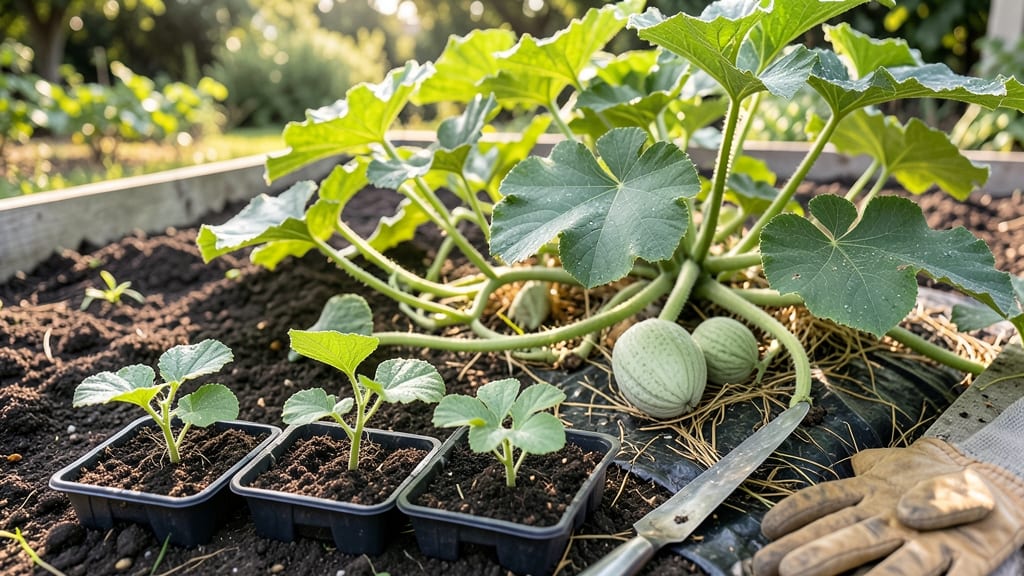
Timing your cantaloupe planting in Louisiana could mean the difference between sweet, juicy fruit and bitter disappointment. The key is understanding when to plant cantaloupe in Louisiana's unique climate, where humidity and heat can either make or break your harvest.
Most gardeners in zones 8a-9b wait until after the March 15 average last frost date, but there's more to it than just calendar dates. Cantaloupe thrives when soil temperatures reach 70°F—something that typically happens in April or May for most of the state.
Planting too early risks frost damage, while waiting too long might push your harvest into Louisiana's sweltering summer months.
I've found that late February to early March works for early varieties, while the main planting window of April to May gives most gardeners the best chance for consistent yields.
The secret lies in balancing soil warmth with humidity management—something I'll show you how to do right in your own backyard.
Whether you're a first-time gardener or a seasoned pro, these insights will help you grow cantaloupes that are sweeter and more abundant than ever before. Let's dive into the perfect timing and techniques for Louisiana's growing conditions.
Best planting windows for cantaloupe in Louisiana’s climate zones
Louisiana’s USDA zones 8a–9b offer a long growing season, but cantaloupe thrives best when planted at the right time. The key is balancing soil warmth (at least 70°F) with humidity control—too early, and frost lingers; too late, and summer heat stresses young plants.
My strategy? Plant in two waves: spring for early harvests and summer for late-season success.
For spring plantings, aim for late March to early April after the last frost (typically March 15). This gives vines time to establish before Louisiana’s brutal summer heat peaks. If you’re in northern Louisiana (zone 8a), wait until mid-April to avoid late frosts.
Southern growers (zone 9b) can start as early as late February under row covers for a jumpstart.
Here’s the golden rule: Never plant cantaloupe when nighttime temps dip below 60°F. Cold snaps stunt growth, leading to bitter fruit or poor yields. I’ve learned this the hard way—last year’s March 20 planting in Shreveport resulted in stunted vines after a 40°F night in early April.
🌱 Louisiana Cantaloupe Planting Timeline
| Season | Planting Window | Soil Temp | Key Considerations |
|---|---|---|---|
| Spring | Late March–Early April | 70°F+ | Avoid frost; use black plastic mulch |
| Summer | June–July | 75°F+ | Provide afternoon shade for seedlings |
| Fall | Not recommended | N/A | Short season; risk of frost before harvest |
🌡️ Pro Tip: Use a soil thermometer to confirm 70°F+ before planting—cantaloupe roots won’t develop properly in cooler soil.
For a second harvest, plant again in late June to early July. This timing aligns with Louisiana’s peak humidity (June–August), but young plants need protection from afternoon sun.
I use shade cloth (30–50%) for the first 2 weeks to prevent heat stress. Once established, cantaloupe vines handle the heat—just keep soil moist to avoid blossom-end rot.
If you’re in southeastern Louisiana (e.g., New Orleans, zone 9a), you can squeeze in a third planting in early August for a late-season harvest. However, this is risky due to hurricane season (June–November). I recommend this only if you’re prepared to cover plants or harvest early if storms approach.
Spacing is critical in Louisiana’s humid climate. Cantaloupe vines spread 3–6 feet, so give each plant 3 feet of space in rows 5–6 feet apart.
This airflow reduces powdery mildew, a common issue in Louisiana’s sticky summers. I’ve also had success using raised beds with drip irrigation to keep foliage dry.
One mistake I’ve seen locals make? Planting cantaloupe too close to tomatoes or peppers. These plants compete for nutrients and attract similar pests. Instead, pair cantaloupe with basil or marigolds—they repel pests like cucumber beetles and improve flavor. Just keep them 12 inches away from the vines.
Finally, don’t forget succession planting. By staggering plantings every 2–3 weeks in spring and summer, you’ll enjoy cantaloupe from June through September. In my Baton Rouge garden, this strategy extended my harvest by 3 weeks compared to a single planting.
🌱 Remember: Louisiana’s climate is forgiving once you nail the timing. With the right planting window, soil prep, and humidity management, you’ll go from bitter melons to sweet, juicy cantaloupe every season.
Best planting windows for cantaloupe in Louisiana’s climate zones
Louisiana’s USDA zones 8a–9b offer a long growing season, but cantaloupe thrives best when planted after the last frost date, typically around March 15.
The key is balancing soil warmth (at least 70°F) with humidity management—too early, and vines struggle; too late, and you risk heat stress before harvest.
For main-season plantings, aim for April–May when daytime temperatures consistently stay above 75°F. This window ensures vines establish roots before summer’s peak humidity hits. Early varieties can go in as soon as late February–early March under protective covers or in raised beds with black plastic mulch.
If you’re growing summer cantaloupe varieties, a second planting in June–July can extend your harvest into early fall. Just be prepared for powdery mildew risks—choose disease-resistant types and space plants 3–4 feet apart for airflow.
🌱 Cantaloupe Planting Timeline for Louisiana
| Stage | Action | Notes |
|---|---|---|
| Early March | Start seeds indoors or use black plastic mulch | Soil temp must reach 70°F |
| April–May | Transplant seedlings outdoors | Choose full-sun spots with well-draining soil |
| June–July | Second planting for late-season harvest | Use heat-tolerant varieties like ‘Athena’ |
| June–September | Harvest at peak ripeness | Look for creamy rinds and slip stems |
Northern Louisiana (zones 8a) can plant 2–3 weeks earlier than southern regions (zones 9b), thanks to cooler nights. Monitor soil temperatures with a thermometer—cantaloupe roots need warmth to thrive. If your soil runs cold, opt for raised beds or row covers to accelerate warming.
Pro tip: In humid Louisiana summers, mulch with straw or black plastic to retain moisture and reduce fungal diseases. Avoid overhead watering after 10 AM to prevent mildew. With the right timing, you’ll enjoy sweet, juicy cantaloupes from June through September!
For container gardening, start seeds in 5-gallon pots by March 1 and move outdoors after May 1 when nights stay above 60°F. Just ensure pots have drainage holes to prevent root rot in Louisiana’s damp climate. 🌱