
Plants
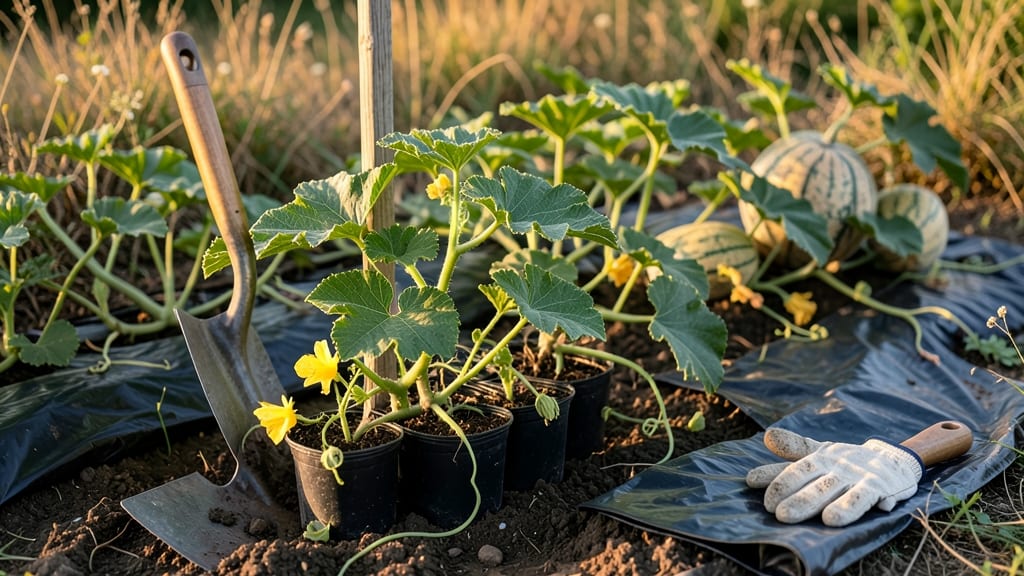
Knowing when to plant cantaloupe in Georgia can mean the difference between a bumper crop of sweet, juicy melons and a disappointing patch of bitter vines. Georgia’s long, hot summers are ideal for cantaloupes, but timing your planting just right ensures your 🌱 thrives instead of struggling.
Most gardeners in Georgia’s USDA zones 7-9 wait until after the last frost—typically mid-April to early May—when soil temperatures hit at least 60°F. Planting too early risks cold-sensitive seeds, while waiting too long can shorten the growing season before summer heat sets in.
I’ve learned the hard way that cantaloupes need warmth to germinate, so I always check soil temps before sticking seeds in the ground. With the right timing, you’ll be harvesting melons by late summer, just as they’re at their peak flavor.
Ready to grow cantaloupes that impress? Let’s break down the exact steps to plant them for a successful harvest, from soil prep to watering tips tailored to Georgia’s climate.
Georgia heat-Zone planting calendar for cantaloupe success
Georgia’s diverse climate—from the mountains of Zone 7a to the coastal plains of Zone 8b—means cantaloupe planting timing varies dramatically. In northern Georgia, where frosts linger until mid-April, wait until after May 1 when soil reaches 75°F.
Meanwhile, southern Georgia gardeners can start as early as mid-March, provided nighttime temperatures stay above 55°F. This heat-loving fruit thrives when planted after all frost risk and before summer’s brutal heat peaks.
Cantaloupes need consistent warmth to germinate and grow. If you plant too early, seeds may rot in cold soil. If you wait too long, vines struggle during Georgia’s oppressive July-August heat.
The sweet spot? Plant seeds ½ inch deep when daytime temps hit 70°F+ and nighttime temps stay above 60°F. This usually aligns with late April to early May for most of the state.
For zone-specific precision, Georgia’s USDA zones 7a-8b dictate ideal windows. Zone 7a (northwest GA) should wait until May 15, while Zone 8b (south GA) can start March 20.
Use a soil thermometer—cantaloupes won’t germinate below 60°F. Pro tip: Black plastic mulch warms soil faster, letting you plant 2 weeks earlier in cooler zones.
🌱 Georgia Cantaloupe Planting Timeline by Zone
| Zone | Planting Window | Soil Temp | Key Notes |
|---|---|---|---|
| 7a (NW GA) | May 15–June 1 | 75°F+ | Use row covers for early starts |
| 7b (Central GA) | April 20–May 10 | 70°F+ | Black plastic mulch speeds germination |
| 8a (South GA) | March 20–April 10 | 65°F+ | Watch for early heat stress |
| 8b (Coastal GA) | March 1–March 15 | 60°F+ | Extend season with shade cloth |
💡 Pro Tip: Test soil pH (6.0–6.8) before planting—Georgia’s clay soils often need lime.
Cantaloupes take 75–90 days to mature, so late June plantings risk harvests clashing with Georgia’s first fall frosts (usually October–November). For northern zones, aim for July 1 harvests by planting in early May.
In southern zones, stretch the season with succession plantings every 2 weeks from March to June.
Daylength matters too—cantaloupes need long summer days (14+ hours) to set fruit. If you’re in Zone 7a, prioritize heat-tolerant varieties like ‘Athena’ or ‘Hale’s Best’, which handle Georgia’s 90°F+ afternoons better than standard types. Always harden off seedlings for 1 week before transplanting to avoid shock.
Avoid planting near tomatoes or potatoes—these share diseases like fusarium wilt. Instead, rotate cantaloupes with beans, peas, or corn to improve soil health. In sandy coastal soils, amend with compost to retain moisture. Mulch heavily with straw to prevent soil-borne diseases and keep roots cool during peak summer heat.
Watch for false starts: If seedlings emerge but wilt in 3–5 days, it’s often overwatering or cold soil. Let soil dry slightly between waterings—cantaloupes hate wet feet. In Zone 8b, where humidity is high, space vines 4–5 feet apart to improve airflow and reduce powdery mildew risk.
Harvest timing is critical—wait until the beard (stem) slips off easily and the netting turns cream-colored. Rushing harvests leads to underripe, bland fruit. In Georgia’s heat, cantaloupes ripen faster—check fields every 2–3 days in August. Store ripe fruit in a cool, dark place (not the fridge) to preserve sweetness.
Plan ahead for next year: Mark your calendar for September 1—this is when Georgia gardeners should save seeds from the best-performing vines. Dry seeds in a shady, well-ventilated spot for 2 weeks before storing in airtight containers at room temperature.
Georgia heat-Zone planting calendar for cantaloupe success
Georgia’s USDA hardiness zones 7a-8b offer ideal conditions for cantaloupe, but precise timing prevents wasted effort. Cantaloupes thrive in warm soil (70°F+) and bolt if planted too early.
In Zone 7a, wait until mid-April after the last frost, while Zone 8b gardeners can start as early as late March in protected beds.
Soil temperature is your best guide—use a soil thermometer to confirm 65°F minimum before planting. Cold soil stunts growth, leading to bitter fruit. Georgia’s hot summers mean cantaloupes grow fastest from June through August, with harvests peaking in July and September.
| Zone | Planting Window | Soil Temp | Frost-Free Date | Harvest Time |
|---|---|---|---|---|
| 7a | Mid-April to early May | 70°F+ | April 15 | July–September |
| 7b | Late March to mid-April | 68°F+ | April 1 | June–August |
| 8a | Late February to March | 65°F+ | March 15 | May–July |
| 8b | Late March | 68°F+ | March 1 | June–August |
For Zone 7a gardeners, consider black plastic mulch to warm soil faster. In Zone 8b, early planting risks powdery mildew from spring humidity. Always space seeds 2–3 feet apart in hills, with 5–6 feet between hills for proper airflow and vine growth.
Cantaloupes need 75–90 days to mature, so plan your last planting by early August to avoid frost. In Georgia’s heat, shade cloth (30%) can protect young plants from sunburn during peak summer temperatures.
Test your soil pH (6.0–6.8) before planting—Georgia’s clay soils often need compost or lime for optimal growth. A well-draining bed with sandy loam texture prevents rot and bolting.
Once planted, water deeply 1–2 times per week, focusing on the roots. Avoid wetting leaves to reduce disease risk. Mulch with straw to retain moisture and suppress weeds during Georgia’s hot, dry spells.