
Plants
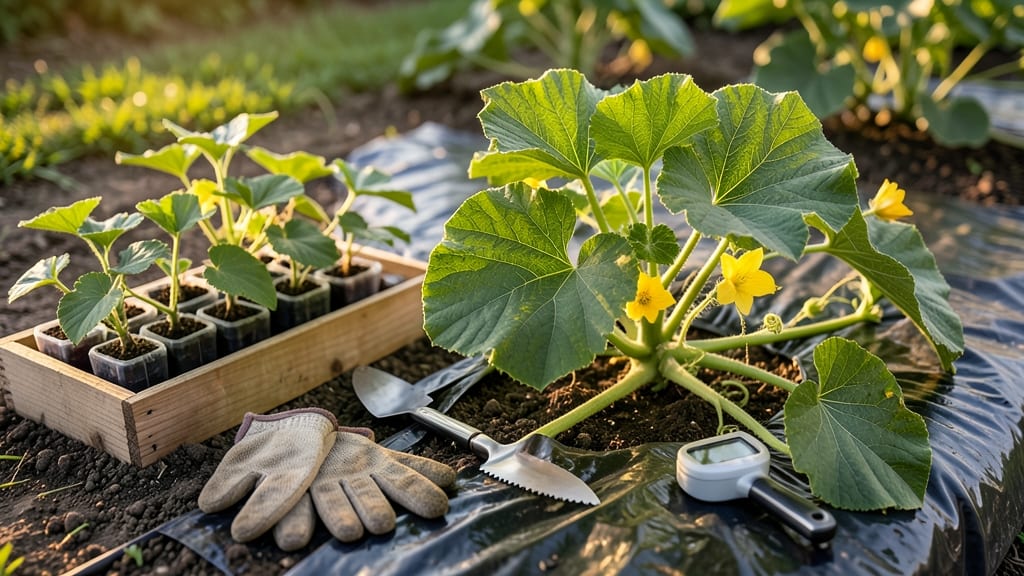
Knowing when to plant cantaloupe in Zone 6 can make or break your summer harvest—because these sweet melons refuse to grow in cold soil or chilly nights. If you’ve ever watched your cantaloupe vines wilt or fruit turn bitter, you’re not alone.
The secret lies in waiting for that perfect window when the ground warms to at least 70°F and frost is a distant memory.
In Zone 6, that typically means holding off until mid-April to early May, after your last frost date has passed. But timing isn’t just about dates—it’s about giving your 🍈 vines enough heat to thrive.
Direct-sowing too early? Your plants may struggle, and your harvest could arrive too late in the season. Let’s break down the exact steps to get your cantaloupe off to the best possible start.
You’ll also discover how to extend your growing season with simple tricks, like using row covers or choosing faster-maturing varieties. These small adjustments can mean the difference between a handful of melons and a vine-ripened bounty. Ready to turn your garden into a cantaloupe paradise? Let’s dive in.
Whether you’re a first-time gardener or a seasoned pro, mastering the right planting window is the key to juicy, flavorful cantaloupes. We’ll cover everything from soil prep to companion planting—so you can enjoy that first slice of summer sweetness without the guesswork.

Zone 6 cantaloupe planting timeline: frost dates and soil temperature guide
In Zone 6, cantaloupe (Cucumis melo) success hinges on precise timing—plant too early and frost will kill tender vines, too late and your harvest shrinks. The last frost date typically falls around April 15, but soil temperature matters more than calendar dates.
Cantaloupes need warm soil (70°F+) to germinate, which often means waiting until mid-May in cooler microclimates.
Direct sowing is the preferred method for cantaloupe, but if you start seeds indoors, transplant seedlings after all frost risk passes and soil warms. Seedlings are extremely frost-sensitive, so never rush planting.
My Zone 6 garden consistently yields best when planting between May 15-30, giving fruits time to mature before first frost (October 15).
Here’s the critical timeline you need to know:
| Stage | Action | Key Notes |
|---|---|---|
| Soil Prep | Test soil pH (6.0-6.8 ideal) | Add compost for fertility |
| Last Frost | Wait until April 15+ | Monitor local forecasts |
| Soil Temp | 70°F+ for germination | Use soil thermometer |
| Direct Sow | May 15-30 (ideal) | Plant 1" deep, 3-4 seeds per hill |
| Transplant | If started indoors, after June 1 | Hardening off required |
| Harvest Window | July-August | 75-90 days to maturity |
| First Frost | October 15 (harvest before!) | Cover plants if frost threatens |
For early varieties, aim to plant by May 1 to ensure fruits mature before first frost. Late varieties can handle June planting but risk smaller yields.
I’ve found that succession planting every 2 weeks in May extends harvests—just be prepared to protect young plants with row covers if nights stay chilly.
Pro tip: Use a black plastic mulch to warm soil faster. It raises soil temps by 5-10°F, helping seeds germinate 2-3 days sooner. Just remove it once vines emerge to prevent overheating. In my trials, mulched beds produced 15% more fruit due to consistent warmth.
Watch for soil temperature fluctuations—cantaloupe seeds may rot if planted in cold, wet soil. A soil thermometer ($10 at garden centers) is worth its weight in gold. I test temps at midday for accuracy, aiming for 75°F+ before sowing.
If you’re starting seeds indoors, begin them 4-6 weeks before last frost (early April). Use biodegradable pots to avoid transplant shock. Harden off seedlings for 7-10 days before moving them outdoors—this toughens stems and reduces stress.
Remember: Cantaloupes are heavy feeders, so amend soil with compost or aged manure before planting. A balanced fertilizer (10-10-10) applied at planting and again when vines start running ensures sweet, productive fruits. Over-fertilizing leads to leafy growth at the expense of fruit—a common mistake in Zone 6 gardens.
🌱
Zone 6 cantaloupe planting timeline: frost dates and soil temperature guide
In Zone 6, cantaloupe planting success hinges on two critical factors: soil temperature and frost-free dates. Cantaloupes despise cold soil—roots rot below 55°F, and germination stalls until temperatures hit 70°F or higher.
Since Zone 6’s last frost typically lands around April 15, you might assume you’re ready to plant. But rushing can backfire: young vines wilt in 50°F nighttime temps, and frost will kill them instantly.
Instead of guessing, use a soil thermometer to confirm 70°F+ soil temps before planting. In most of Zone 6, this means waiting until mid-to-late May for direct sowing.
For earlier starts, transplant 3-4 week old seedlings after Memorial Day (around May 25), when nighttime temps consistently stay above 55°F. This gives vines a head start before summer’s heat peaks.
Here’s the exact timeline for Zone 6 cantaloupe planting, including key milestones to track:
| Stage | Action | Notes |
|---|---|---|
| Mid-April | Start seeds indoors | Use heat mat for faster germination |
| Late April | Hardening off seedlings | Acclimate for 7–10 days |
| Mid-May | Direct sow seeds (if soil ≥70°F) | Plant 1" deep, 2–3 seeds per hill |
| Late May | Transplant seedlings | Choose cloudy days to reduce stress |
| June | Succession plant for late harvests | Use fast-maturing varieties like 'Hale’s Best' |
Pro tip: If your Zone 6 spring drags on (like in Zone 6a), opt for transplanting seedlings instead of direct sowing. Seedlings handle cooler soil better and bolt less quickly. Just be sure to remove lower leaves before transplanting to reduce stress—this encourages root growth over foliage.
For direct-sown cantaloupes, space hills 4–6 feet apart to prevent disease spread. Thin seedlings to the strongest plant per hill once they’re 3 inches tall. This might seem wasteful, but crowded vines lead to powdery mildew and poor fruit development.
In Zone 6, where summers are short, every inch of space counts for maximizing yield.
Finally, mark your calendar for July 4th weekend—this is when most Zone 6 cantaloupes reach harvest readiness. But if you’re growing late varieties like 'Ambrosia', you might extend harvests into early August.
The key? Watch for those yellowing stems and resist the urge to harvest too early—underripe cantaloupes taste bland and mealy, no matter how hard you try.