
Plants
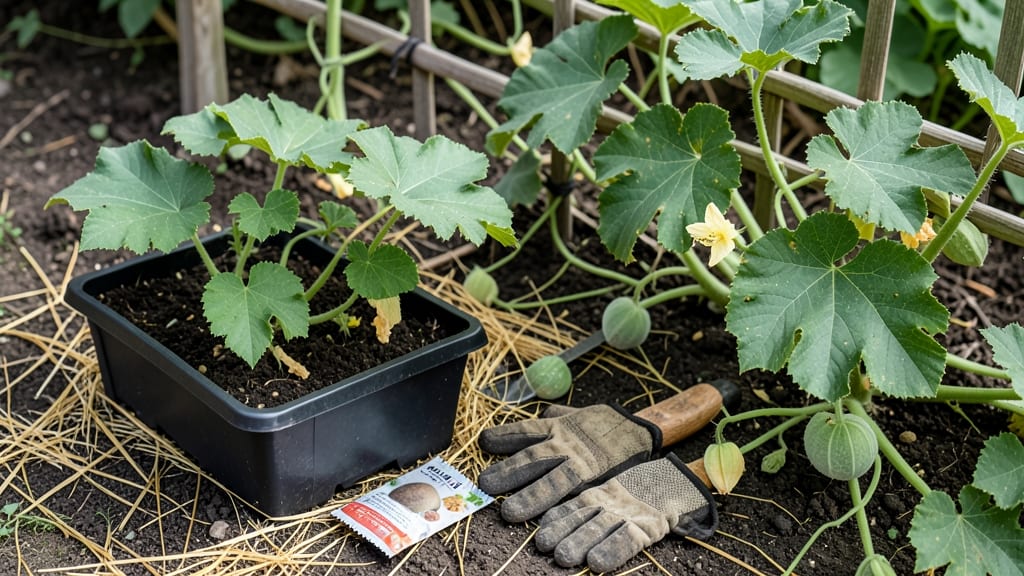
Timing your cantaloupe planting in Alabama could mean the difference between a bumper crop of sweet, juicy 🍈 melons and a disappointing harvest.
The state's warm climate gives you a head start, but getting those seeds in the ground at the right moment is everything—especially when you're dealing with heat zones that range from 7b to 8b.
Most gardeners in Alabama know the general rule: wait until after the last frost, which typically hits in mid-March.
But here's the catch—your cantaloupe won't thrive until the soil warms up to at least 70°F, and that usually means holding off until late April or early May in most regions. Planting too soon? Your seeds might rot in cold soil, leaving you starting over.
What you're about to discover is how to match your planting schedule with Alabama's unique microclimates. Whether you're in the cooler hills of the north or the hotter plains of the south, we'll break down the exact windows you need to aim for.
Plus, I'll share my top tips for preparing your soil and giving those vines the best possible start.
Ready to grow cantaloupes that burst with flavor? Let's dive into the most important steps to ensure your plants take off strong and produce melons that'll make your neighbors jealous.
Alabama heat zone planting dates for cantaloupe success
Alabama’s climate varies dramatically from its northern mountains to southern coastal plains, creating three distinct planting windows for cantaloupe. The state spans USDA Zones 7b through 8b, meaning your last frost dates can differ by 3-4 weeks depending on location.
For example, Huntsville’s Zone 7b typically sees its last frost around March 15, while Mobile’s Zone 8b warms up by February 20. These differences mean planting too early in cooler zones can lead to stunted vines or even death from unexpected late frosts.
Cantaloupes thrive when soil temperatures stay consistently above 70°F, which usually occurs 2-4 weeks after your area’s average last frost date. In Alabama, this means waiting until April 15-May 1 for most regions.
Northern Alabama gardeners should hold off until mid-April to ensure the ground warms sufficiently, while southern gardeners can start as early as late March under black plastic mulch. The key is patience—rushing leads to poor germination and weak plants.
Here’s how to match your planting schedule to Alabama’s heat zones for maximum cantaloupe success:
Direct-seeding is the preferred method for cantaloupe in Alabama, but you can also start seeds indoors 4-6 weeks before your last frost date if using black plastic mulch to warm the soil. Seedlings should be 2-3 inches tall and have 2-3 true leaves before transplanting.
Harden them off for 5-7 days by placing them outdoors during the day and bringing them in at night. This gradual transition helps prevent transplant shock, which is especially critical in Alabama’s humid climate.
Once planted, cantaloupes need 8-10 hours of full sun daily and well-draining soil with a pH between 6.0-6.8. In Alabama’s heat, mulching with straw or black plastic retains moisture and keeps roots cool.
I’ve found that drip irrigation in the morning works best—avoid overhead watering to prevent powdery mildew, a common issue in Alabama’s summer humidity. Watch for yellowing leaves or stunted growth, which often signal overwatering or nutrient deficiencies.
For a second harvest, consider succession planting every 2 weeks from April through June. Southern Alabama gardeners can even squeeze in a fall crop by planting in late July and harvesting before the first frost in mid-November.
Varieties like 'Athena' and 'Hale’s Best' are heat-tolerant and perform well in Alabama’s climate. Just remember: cantaloupes need space—plant vines 4-6 feet apart in rows 6 feet apart to allow for proper airflow and vine spread.
Timing your cantaloupe planting isn’t just about dates—it’s about soil temperature, microclimate, and variety selection. In my Alabama garden, I’ve learned that patience pays off: waiting for the right conditions means sweeter, juicier melons with fewer pests.
Start with your local Alabama Cooperative Extension Service frost dates, then adjust based on your yard’s specific conditions. With the right timing, you’ll be slicing into homegrown cantaloupes by mid-summer!
🍈
Alabama heat zone planting dates for cantaloupe success
Alabama’s USDA heat zones 7a-8b create distinct windows for planting cantaloupe seeds. Northern regions like Huntsville (zone 7b) need to wait until mid-April when soil warms to 75°F+, while southern areas like Mobile (zone 8b) can start as early as late March.
These differences prevent cold-sensitive vines from struggling.
Your last frost date is your first clue—but soil temperature matters more. A soil thermometer confirms readiness; cantaloupe roots won’t develop below 70°F. In zone 7a, this often means waiting until May 1, while zone 8a gardeners can plant by April 15.
Transplanting seedlings (purchased or home-grown) offers a 2-week head start over direct sowing. Harden off seedlings for 7-10 days before setting them out after your average last frost. For Alabama, this typically lands in early April for southern zones and mid-April for northern zones.
| USDA Zone | Last Frost Date | Direct Sow Window | Transplant Window | Soil Temp Requirement |
|---|---|---|---|---|
| 7a (North AL) | Mid-March | May 1-15 | April 15-30 | 75°F+ |
| 7b (Central AL) | Late March | April 15-May 1 | April 1-15 | 75°F+ |
| 8a (South AL) | Early March | March 30-April 15 | March 15-April 1 | 70°F+ |
| 8b (Southeast AL) | Mid-February | Late March-April 1 | Late February-March 15 | 68°F+ |
For maximum yield, aim to have cantaloupe vines flowering by late May. This gives fruits 75-90 days to mature before Alabama’s first frost in November. In zone 7a, this means planting by June 15 for a late-season harvest.
Use black plastic mulch to warm soil faster in cooler zones. Lay it down 2-3 weeks before planting to raise soil temps by 5-10°F. This trick lets zone 7a gardeners plant 10 days earlier without risking cold damage to tender seedlings.
Track your local microclimate—south-facing slopes warm faster than shady spots. Adjust planting dates 1-2 weeks earlier for sunniest areas, and delay by the same margin in cooler microclimates. A 5°F difference can mean the difference between thriving vines and failed crops.