
Plants
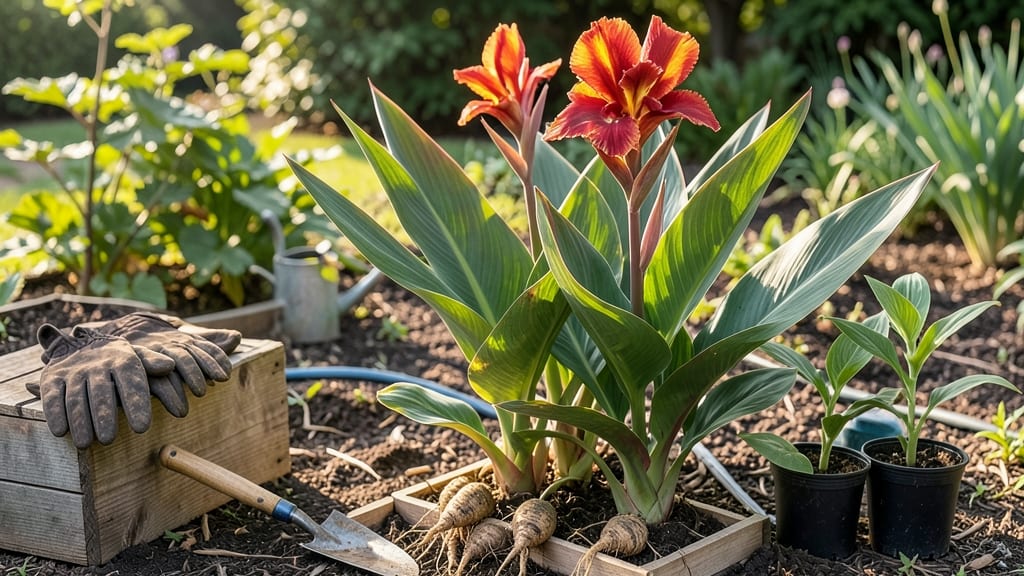
Timing your canna planting in Kansas just right could mean the difference between show-stopping summer blooms and a sad, wilted disappointment. These heat-loving beauties 🌺 need warm soil and consistent temperatures to thrive, but Kansas's unpredictable spring weather makes getting it perfect tricky.
Most gardeners in USDA Zone 6a wait until after the last frost—typically late April to mid-May—but there's more to it than just the calendar. Soil temperature plays a bigger role than you might think, and container gardening can extend your window for those with cooler microclimates.
I'll walk you through the exact planting windows for Kansas, including how to prepare your cannas for our region's unique challenges. From soil prep to post-planting care, you'll learn how to give these tropical-looking plants the best chance to flourish in our Midwestern climate.
Whether you're a first-time planter or a seasoned gardener looking to boost your canna success rate, these insights will help you time your planting perfectly for dramatic summer blooms that'll make your neighbors green with envy.
Kansas canna planting calendar: exact months by hardiness zone (5 & 6)
Cannas thrive in Kansas’ hot summers but need precise timing to survive spring frosts and clay-heavy soil. Kansas spans USDA zones 5b-6b, with last frost dates ranging from April 15 (southern KS) to May 1 (northern KS).
Planting too early risks frost damage, while waiting too long limits bloom time.
For zone 6a/6b (Kansas City, Topeka), aim for late April to mid-May when soil temps hit 60°F+. In zone 5b (Wichita), wait until mid-May to ensure safety. Container gardening extends your window—start tubers indoors in March for earlier blooms.
Use this soil temperature rule: Cannas won’t sprout below 60°F. Check with a soil thermometer or wait until daytime highs consistently reach 70°F. In Kansas, this typically aligns with late April to early May.
🌱 Kansas Canna Planting Summary
| Zone | Last Frost Date | Ideal Planting Window | Soil Temp Threshold |
|---|---|---|---|
| 6a/6b (KS City, Topeka) | April 15–May 1 | Late April–Mid-May | 60°F+ |
| 5b (Wichita) | May 1–May 15 | Mid-May | 60°F+ |
| Containers (Any Zone) | March–April (Indoors) | Late April–May (Outdoors) | 60°F+ |
⚠️ Pro Tip: Use black plastic mulch to warm soil faster in cooler zones.
Cannas are tender perennials in Kansas—they die back in winter but return from rhizomes if planted correctly. Dig up and store tubers in zone 5b after first frost (October 15), while zone 6a/6b gardeners can mulch heavily for winter protection.
For extended blooms, try a successive planting strategy: Plant half your tubers in late April and the rest in mid-May. This staggers flowering through September. Choose dwarf varieties (2–3 ft) for containers or standard types (5–7 ft) for garden beds.
Kansas’s clay soil drains poorly—amend with compost and sand to prevent root rot. Add a 2-inch layer of mulch after planting to retain moisture and regulate soil temps. In drought-prone areas, water deeply 2–3 times per week once established.
Watch for late spring frosts (common in northern Kansas) by checking the National Weather Service or local K-State Extension alerts. If frost threatens after planting, cover cannas with frost cloth or a lightweight row cover.
Container gardeners gain flexibility: Start tubers indoors in March under grow lights, then transplant after last frost. Use large pots (12"+ diameter) with drainage holes to mimic in-ground conditions. Move containers to sheltered spots if night temps dip below 50°F.
Cannas reward patience with bold, tropical blooms from July to October. In Kansas, ‘Striped Beauty’ and ‘Black Knight’ handle humidity well, while ‘Cleopatra’ thrives in hot, dry conditions. Plan your planting window now to enjoy season-long color! 🌺
How to prepare cannas for Kansas’ unpredictable spring weather
Kansas’s spring temperature swings can shock canna tubers if you’re not prepared. Start by hardening off your tubers for 7–10 days before planting. Place them in a bright, sheltered spot (like a garage or cold frame) where temps hover around 50–60°F during the day and 40°F at night.
This mimics Kansas’s late April conditions and prevents transplant shock.
Next, focus on soil preparation. Kansas’s clay-heavy soil drains poorly, which can cause root rot. Amend your beds with 2–3 inches of compost and 1 part sand per 2 parts soil to improve drainage.
Work the amendments into the top 12 inches of soil, breaking up any compacted layers. This step is critical for zone 5b gardeners where cooler, wetter springs are common.
Before planting, inspect your canna rhizomes for soft spots or mold, which signal rot. Trim any damaged areas with sterilized pruners and let the cut surfaces dry for 1–2 hours.
Soak healthy tubers in water mixed with a fungicide (like copper sulfate) for 30 minutes to prevent bacterial infections—a common issue in Kansas’s humid summers.