
Plants
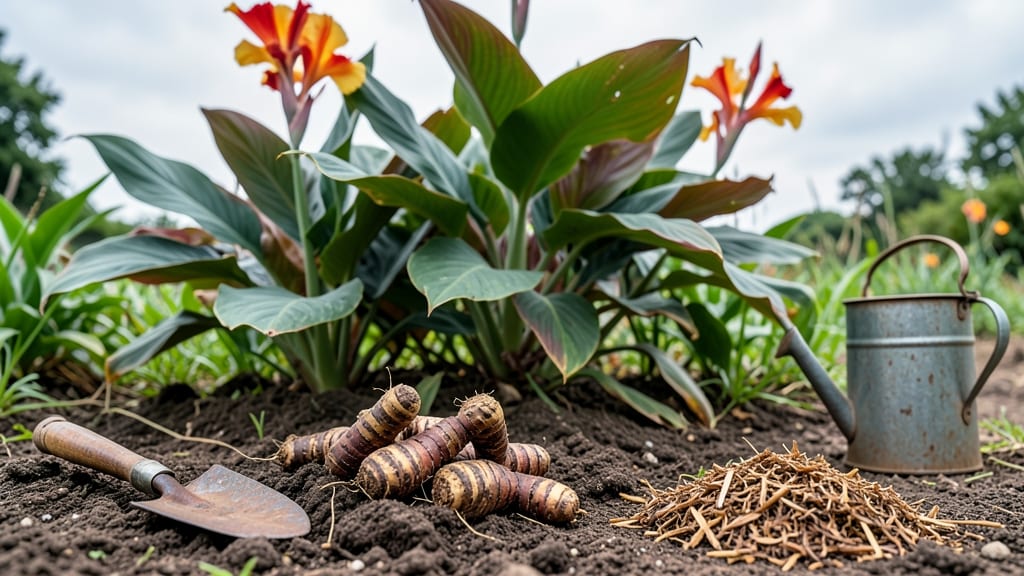
Planting your Canna Lily 🌺 bulbs at the wrong time in Kansas could mean watching them wilt before they even bloom. With Zone 5b-6b frost dates that shift yearly, knowing the exact window—mid-April to mid-May—is the key to vibrant summer displays.
I’ve learned the hard way that these tropical beauties despise cold soil, so rushing them out too early risks frost damage. But waiting too long? You’ll miss the 90-day growing window they need to reach their full 5-7 foot glory by summer.
Let me show you how to sync your planting with Kansas’ unpredictable spring weather.
Beyond timing, Kansas gardeners face unique challenges like heavy clay soil and summer humidity that can stress canna bulbs. The good news? With the right prep—like amending soil and choosing heat-tolerant varieties—your 🌺 can thrive through our sweltering summers and even survive mild winters with proper care.
Whether you’re a first-time planter or a seasoned pro, I’ll walk you through the exact steps to get your cannas off to a strong start. From soil temperature checks to frost-free planting dates, you’ll have everything you need to turn your Kansas garden into a showstopping canna display.
Kansas canna planting timeline: exact dates for Zone 7’s frost-free window
Timing your canna bulbs in Kansas means working with Zone 7’s unpredictable climate. Unlike tropical natives, cannas need warm soil (at least 60°F) to thrive, but planting too early risks frost damage to tender shoots.
The average last frost date in Kansas hovers around April 15, but soil warms more slowly—wait for mid-to-late April to play it safe.
For maximum bloom time, aim to plant between April 20 and May 15. This window balances soil warmth and frost risk, giving cannas 120-150 days to grow before Kansas’s first frost (October 15).
Early plantings may struggle if late frosts linger, while late plantings risk stunted growth before winter.
Here’s how Kansas’s climate zones (5b-6b) affect your timing:
| Stage | Action | Kansas-Specific Notes |
|---|---|---|
| Soil Prep | Test soil pH (6.0–7.0) | Kansas’s clay-heavy soil may need compost to improve drainage. |
| Planting Window | Mid-April to mid-May | Wait until soil temps reach 60°F (use a soil thermometer). |
| Depth | 2–3 inches deep | Deeper in sandy soil (common in western KS) to retain moisture. |
| Spacing | 12–18 inches apart | Taller varieties (5–7 ft) need more space to avoid crowding. |
| First Frost Risk | October 15 (avg.) | Use row covers if late blooms appear in September. |
If you’re in western Kansas (Zone 5b), push planting to late May to avoid late spring frosts. Eastern Kansas (Zone 6b) can start 2 weeks earlier. Monitor local weather forecasts—Kansas’s unpredictable thunderstorms can delay planting or cause soil compaction.
Pro tip: Use black plastic mulch to warm soil faster in cool springs. Lay it down 2–3 weeks before planting to create a microclimate. This trick adds 5–10°F to soil temps, extending your planting window by 1–2 weeks.
For container gardening in Kansas, plant cannas after May 1 when nights stay above 55°F. Containers heat up faster but dry out quicker—water daily until established. Place pots in south-facing spots to maximize sun exposure.
Watch for false starts: Some years, Kansas sees unseasonably warm March weather, tempting early plantings. But a late frost in April can wipe out tender shoots. Err on the side of caution—your cannas will thank you with vibrant blooms from July to October.
Remember: Canna bulbs are tropical tubers, not true bulbs. They hate cold and won’t survive Kansas winters outdoors. Plan to dig them up in fall (after first frost) and store them in dry peat moss until next spring.
By following this Zone 7-specific timeline, you’ll avoid the two biggest canna-killers in Kansas: frost damage and stunted growth. Soon, your garden will burst with bold, tropical colors—worth the wait! 🌺
How to prepare canna bulbs for Kansas’s harsh winters: storage and pre-planting tips
Kansas’s freezing winters can be brutal on tropical canna bulbs, but with the right pre-planting prep, you’ll keep them thriving year after year. The key is proper storage and soil preparation—both critical for survival in Zone 7’s clay-heavy soils and temperature swings.
Let’s break down the steps to ensure your bulbs are ready to plant when spring arrives.
First, dig up tubers before the first frost—typically by mid-October in Kansas. Wait until the foliage yellows and dies back naturally, but don’t delay past 50°F soil temps. Use a fork to gently loosen the soil around the tubers, then lift them carefully to avoid damage.
Brush off excess dirt and let them dry in a shady spot for 1-2 days to prevent rot during storage.
Storage is non-negotiable for Kansas gardeners. Place your dried tubers in a container filled with dry peat moss, sand, or vermiculite—this mimics their natural dormant conditions. Store them in a cool, dark place (like a garage or basement) where temperatures stay between 40-50°F. Avoid refrigeration, as humidity fluctuations can cause rot. Check them monthly for soft spots or mold—discard any compromised tubers immediately.
⚠️ Warning: Kansas-Specific Risks
Fungal diseases thrive in Kansas’s humid summers, so never store tubers in plastic bags—this traps moisture. If your storage area feels damp, add a silica gel packet or switch to a ventilated container. Also, never replant bulbs that smell sour or feel mushy, as this signals internal rot from poor storage.
When spring arrives, test your soil before planting. Kansas’s clay soils drain poorly, which can suffocate canna roots. Amend the area with compost or aged manure to improve drainage, and mix in a 50/50 blend of garden soil and perlite for optimal aeration.
Cannas love rich, moist soil, but they’ll drown in compacted clay—so take the time to loosen the ground to a depth of 12 inches with a broadfork.
Before planting, soak your bulbs in a 10% hydrogen peroxide solution (1 part peroxide to 9 parts water) for 10 minutes. This disinfects the tubers and reduces the risk of bacterial soft rot, a common issue in Kansas’s warm, wet summers.
After soaking, let them dry again for a few hours to prevent waterlogged planting holes. Now they’re ready to thrive in your Kansas garden!
Finally, choose a sunny spot—cannas need at least 6 hours of direct sunlight daily to bloom their best. In Kansas, this often means south-facing beds, where they’ll bask in the intense midday sun without afternoon shade competition.
Plant your bulbs 2-3 inches deep and 12-18 inches apart, spacing larger varieties further apart to accommodate their sprawling growth habit.
With these pre-planting steps, your canna bulbs will survive Kansas winters and explode with color come summer. The secret? Dry storage, soil prep, and timing—three keys to tropical success in a temperate climate. 🌱