
Plants
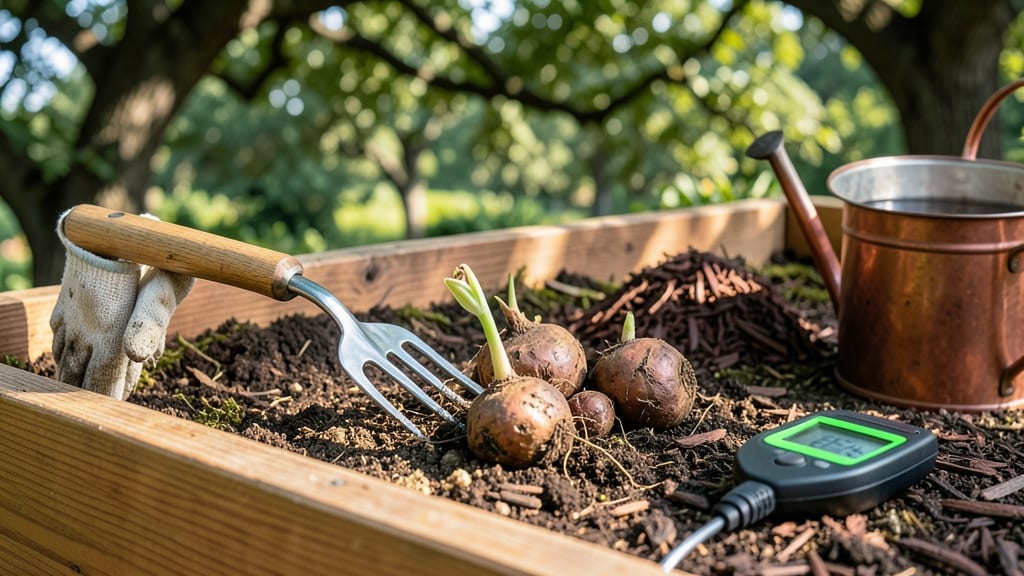
Timing your calla lily bulb planting in Zone 5 can make or break your summer blooms—get it wrong, and you might miss those dramatic 🌸 flowers entirely.
Unlike warmer climates, Zone 5’s unpredictable frosts demand precision, so knowing exactly when to plant ensures your bulbs thrive instead of rot or freeze.
Most gardeners in Zone 5 wait until late spring or early summer, but the real secret lies in soil temperature—not just calendar dates. If you plant too early, cold soil can stunt growth, while waiting too long risks shorter blooms.
I’ll break down the exact windows and soil checks to give your calla lilies the best start.
You’ll also discover how to adjust for microclimates—whether you’re in northern or southern Zone 5—and which varieties handle cooler temps best. With the right timing, you could see bold, healthy blooms from mid-summer straight through fall.
Let’s dive into the step-by-step guide so you can confidently plant your bulbs and enjoy a show-stopping display all season long.

Zone 5 calla lily planting calendar: exact weeks for best results
Timing is everything when planting calla lily bulbs in Zone 5, where late frosts can linger into mid-May and early autumn frosts arrive by mid-October.
Unlike warmer zones, Zone 5 gardeners must balance soil temperature (aim for 50°F+) with frost-free windows—a tricky dance that separates thriving plants from lost investments. I’ve planted callas here for years, and I’ve learned which weeks deliver the boldest blooms with minimal risk.
Most gardeners focus on spring planting, but fall planting can also work in Zone 5’s milder microclimates (like southern Zone 5). The key is planting 6-8 weeks before your first frost—typically late August to early September—so bulbs establish roots before winter.
However, spring planting remains the safer bet for beginners, offering a 120-day growth window to reach full bloom by summer.
Here’s the golden window for Zone 5: late May to early June, once nighttime temperatures consistently stay above 55°F.
This aligns with the last frost date in most of Zone 5, but always verify your local USDA frost map—some areas (like northern Illinois) may need to wait until June 10th, while southern Indiana can plant as early as May 20th.
🌱Pro Tip: Use a soil thermometer to confirm soil temps are 50°F+ at 4-inch depth before planting. Calla bulbs won’t sprout in cold soil, and forcing them risks rot.
For fall planting, choose hardier varieties like Zantedeschia aethiopica (white calla), which tolerate cooler soils better than tropical hybrids. Plant bulbs 4-6 inches deep in well-draining soil and mulch heavily with straw or leaves to insulate roots.
In northern Zone 5, dig up bulbs after the first frost and store them in dry peat moss until spring.
If you’re in southern Zone 5 (e.g., Kentucky or Tennessee), you can push the envelope with late-July plantings for fall blooms. However, expect smaller flowers and weaker stems due to the shorter growing season.
Always prioritize root establishment over early blooms—patience here means bigger, showier flowers in summer.
🌿Regional Adjustments: Check your local cooperative extension for hyper-local frost data. For example, Chicago’s last frost is often 2 weeks later than Madison, Wisconsin’s. Use row covers or a mini greenhouse to extend your planting window by 1-2 weeks if needed.
Finally, avoid the “too late” trap: Planting after July 15th in Zone 5 rarely yields mature blooms before frost.
Instead, focus on next year’s success by planting bulbs in containers for indoor overwintering or investing in cold-hardy varieties like Z. rehmannii, which handle Zone 5’s chill better than tropical types.
☀️Key Takeaway: Zone 5’s 165 frost-free days demand precision. Stick to late May–early June for spring plantings, or late August–early September for fall. Test soil temps, monitor frost forecasts, and choose the right variety—your summer’s worth of drama depends on it.
Zone 5 calla lily planting calendar: exact weeks for best results
In Zone 5, the best time to plant calla lily bulbs depends on two critical factors: soil temperature and last frost dates. Unlike warmer zones, rushing too early risks cold soil stunting growth, while waiting too long cuts your bloom window short.
Aim for late spring to early summer, specifically when soil reaches 50°F+ and nighttime temperatures stay above 55°F.
For northern Zone 5 (e.g., Minneapolis, Madison), target May 15–June 1 after your last frost date. Southern Zone 5 (e.g., St. Louis, Indianapolis) can plant slightly earlier, around April 20–May 10, but always verify frost risks.
My rule of thumb? Plant when dandelions bloom—a natural sign soil is warming.
🌱
Fall planting is risky in Zone 5 but possible for tender varieties (like Z. elliottiana). If you attempt it, plant bulbs 8–10 weeks before first frost (early September) and use black plastic mulch to insulate soil. However, most Zone 5 gardeners stick to spring planting for reliable blooms.
Microclimates matter! If your garden sits in a sunny, sheltered spot, you can plant 2–3 weeks earlier than the average. Conversely, low-lying or shady areas may need a 2-week delay to avoid cold stress.
Always monitor local weather forecasts for late frost warnings—they can derail even the best-laid plans.
For maximum impact, pair your planting with well-draining soil and a mulch layer (straw or shredded leaves). This combo keeps roots warm and moisture consistent, helping bulbs establish faster. With the right timing, you’ll enjoy months of drama from those 🌸 blooms!