
Plants
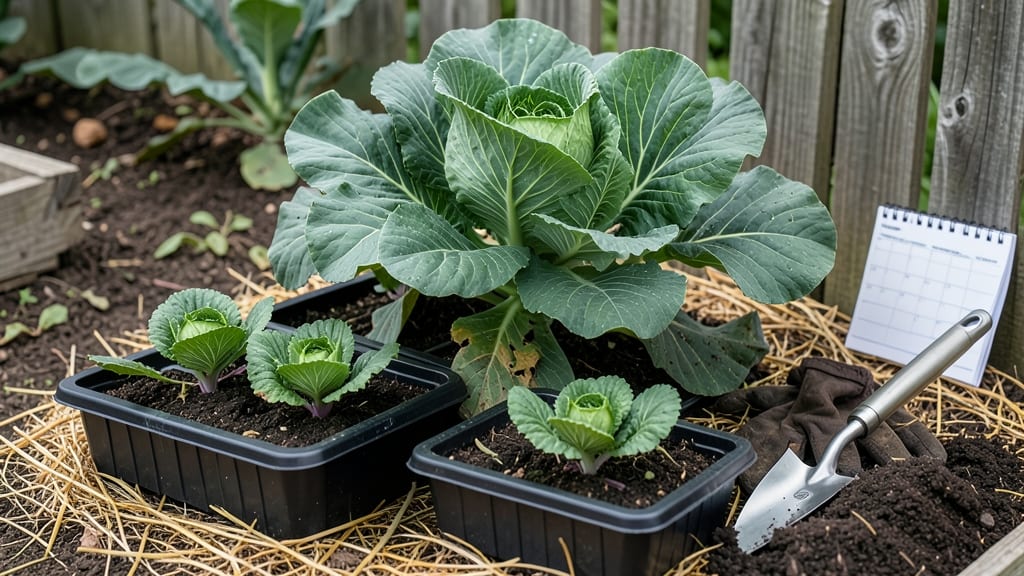
Planting 🥬 cabbage in Oklahoma isn’t just about throwing seeds in the dirt—it’s about working with your zone’s quirks to get crisp, flavorful heads before summer’s brutal heat takes over.
Whether you’re in 6b or 7a, timing matters more than you might think, especially when Oklahoma’s unpredictable spring weather throws curveballs.
Most gardeners in Oklahoma swear by March-April for spring plantings, but that’s just the start. The real secret lies in understanding your microclimate and choosing the right varieties—early types like ‘Golden Acre’ for cooler zones versus heat-tolerant ‘Cavalo’ for 7a.
Miss the window, and you’ll end up with bitter leaves or bolting plants before harvest.
Here’s what I’ll cover: the exact planting dates tailored to Oklahoma’s frost dates, how to prep soil for maximum success, and why fall plantings in August-September can actually give you better yields than spring.
Spoiler alert—it’s not just about dates, but also about soil temperature and protecting young plants from Oklahoma’s infamous windstorms.
Ready to grow 🥬 cabbage that rivals the grocery store (or even beats it)? Let’s dive into the zone-specific strategies that’ll have you harvesting in June or October—no guesswork required.
Oklahoma cabbage planting calendar by Zone: best dates for spring and fall success
Oklahoma’s USDA zones 6b-8a create unique challenges for cabbage growers, with spring frost dates ranging from mid-March to early April and fall frosts arriving as early as mid-November.
To maximize your harvest, I’ve broken down the optimal planting windows by zone, including soil temperature thresholds and frost-free periods that directly impact head formation.
In Zone 6b (northern Oklahoma), your last spring frost typically hits around March 15, while Zone 8a (southern Oklahoma) may see frost as late as March 25. These dates determine when to start seeds indoors or transplant seedlings to avoid heat stress that causes bolting (premature flowering).
| Zone | Spring Planting Window | Fall Planting Window | Soil Temp Threshold | Frost-Free Days |
|---|---|---|---|---|
| 6b (Northern OK) | March 15–April 15 | August 15–September 15 | 50°F (10°C) | 180–190 days |
| 7a (Central OK) | March 20–April 20 | August 20–September 20 | 50°F (10°C) | 190–200 days |
| 7b (Central OK) | March 25–April 25 | August 25–September 25 | 50°F (10°C) | 200–210 days |
| 8a (Southern OK) | April 1–May 1 | September 1–October 1 | 55°F (13°C) | 210–220 days |
Note: Adjust dates 1–2 weeks earlier for high-altitude areas (e.g., Oklahoma City vs. Tulsa).
For spring plantings, aim to transplant seedlings 2–3 weeks before your last frost date when soil temperatures consistently reach 50°F (10°C).
In Zone 6b, this means starting seeds indoors by February 15 for a March 15 transplant, while Zone 8a gardeners can wait until March 1 for direct sowing.
Fall plantings require earlier timing to ensure heads mature before October’s cooling temperatures. In Zone 7b, for example, sow seeds by August 20 for a November harvest—but shift to September 1 in Zone 8a to avoid heat stress.
Always choose late-maturing varieties like ‘Golden Acre’ or ‘Red Express’ for fall success.
Oklahoma’s unpredictable spring rains can delay soil warming, so use a soil thermometer to confirm readiness. If temperatures drop below 40°F (4°C), protect seedlings with row covers or move pots indoors temporarily. This is especially critical in Zone 6b, where late frosts are common.
Pro tip: In Zone 8a, where summers are hotter, opt for shade-tolerant varieties like ‘Cavalo’ or ‘Jade Cross’ and plant in partial shade during peak afternoon heat. These varieties can handle 90°F (32°C) temperatures better than standard types.
To extend your harvest window, I recommend succession planting every 2–3 weeks from March through May. This staggered approach ensures a continuous supply of fresh cabbage heads from June through October, even in Oklahoma’s variable climate.
Remember: Cabbage thrives in cool weather, so avoid planting when daytime temperatures exceed 75°F (24°C). If you miss the spring window, don’t despair—fall plantings can still yield high-quality heads if timed correctly for your specific zone.
For container gardening in Oklahoma, choose dwarf varieties like ‘Miniature Peanut’ and plant in 5-gallon pots filled with well-draining soil. These can be moved to shaded patios during summer heat, making them ideal for urban gardeners or balconies.
🥬
5 Critical factors that determine cabbage planting success in Oklahoma’s climate
Timing your 🥬 cabbage planting in Oklahoma isn’t just about checking a calendar—it’s about understanding the hidden factors that can make or break your harvest. One of the biggest challenges here is soil temperature.
Cabbage seeds need soil that’s at least 45°F (7°C) to germinate, but transplants thrive best when soil reaches 50°F (10°C). In Oklahoma’s 6b-7a zones, that often means waiting until mid-to-late March for spring plantings, even if the air feels warm.
Another critical factor is humidity and wind. Oklahoma’s spring can swing from bone-dry to sudden downpours, and those windstorms (especially in western zones) can stress young plants. I’ve seen cabbage seedlings dry out overnight if not protected, so using row covers or planting near windbreaks is a game-changer.
Even more frustrating? High humidity in late spring can encourage fungal diseases like downy mildew, so spacing plants properly (18-24 inches apart) helps airflow.
Heat tolerance is where most Oklahoma gardeners trip up. While cabbage loves cool weather, varieties like ‘Cavalo’ or ‘Badger Shipper’ can handle 80°F (27°C) temps better than standard types. But once temps hit 90°F (32°C), even heat-tolerant cabbage will bolt (flower prematurely) or develop bitter leaves. That’s why fall plantings in August-September often yield sweeter heads—you’re avoiding the worst heat while still getting a harvest before frost.
Don’t overlook soil pH and fertility. Cabbage thrives in pH 6.5-7.0 soil, and Oklahoma’s native clay can lock up nutrients. I always test my soil before planting and amend with compost or aged manure to boost organic matter.
A balanced fertilizer (10-10-10) at planting and again 4 weeks later gives my plants the nitrogen for leaf growth and phosphorus for root development they need. Skipping this step? You’ll get small, loose heads instead of tight, crisp ones.
Finally, pest pressure varies wildly across Oklahoma. In eastern zones (7a-8a), cabbage moths and flea beetles are relentless, while western areas (6b) deal more with deer and rabbits.
I’ve found that succession planting (staggering seeds every 2 weeks) confuses pests and extends harvest time. Plus, interplanting with radishes or nasturtiums deters cabbage worms naturally—no chemicals needed.
Here’s the kicker: Oklahoma’s erratic weather means you can’t rely on a single strategy. One year, I planted in early April and got a great harvest; the next year, a late frost in May wiped out my seedlings.
That’s why I now use both spring and fall plantings to hedge my bets. The key is monitoring soil temps, protecting young plants, and choosing the right varieties for your microclimate.
Ready to put these factors to work? The next section covers how to extend Oklahoma’s cabbage season with succession planting and cold protection—so you can keep harvesting well into fall. 🌱