
Plants
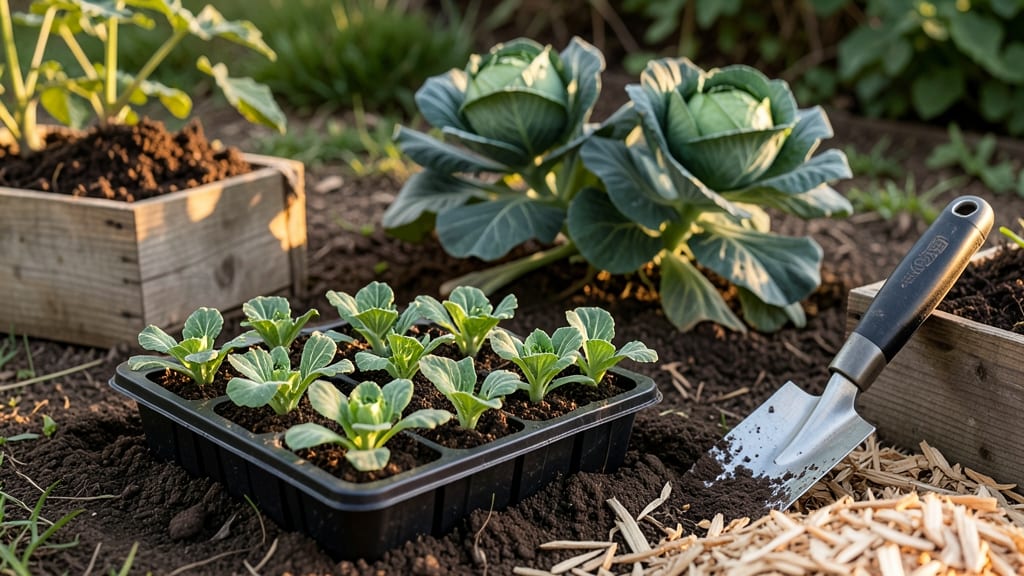
Planting 🥬 cabbage in Georgia at the wrong time means either wilting under summer heat or freezing before harvest—neither of which ends with a crisp, homegrown head. The key to success lies in understanding Georgia’s 7b-8b frost dates and leveraging the state’s two ideal planting windows: spring and fall.
For spring crops, you’ll want to get seeds or seedlings into the ground between late February and early April, giving them time to mature before summer’s relentless heat.
Meanwhile, fall planting opens in August, with a deadline of early September to ensure your cabbage reaches harvest before the first frost in November.
But here’s the catch: timing isn’t just about months—it’s about microclimates. High-altitude areas like the Blue Ridge Mountains may need adjustments, while coastal regions like Savannah can push the envelope slightly later.
I’ll break down the exact dates, soil prep tips, and even how to use succession planting for continuous harvests.
Ready to grow cabbage that thrives? Let’s dive into the frost-date guide that’ll have you harvesting May through November—no guesswork, just guaranteed success.
Georgia’s cabbage planting windows by frost Zone (with exact dates)
Georgia’s USDA zones 7b-8a create two ideal windows for growing cabbage: spring and fall. The key is avoiding heat stress in summer and frost damage in winter.
For most of Georgia, the last frost date averages around March 15, while the first frost typically arrives by November 15. These dates anchor your planting schedule.
Spring planting starts 4-6 weeks before the last frost, meaning late February to early April for most regions. Fall planting begins 10-12 weeks before the first frost, or August to early September.
High-altitude areas like the Blue Ridge Mountains (Zone 7b) may need adjustments—planting 1-2 weeks earlier to account for cooler microclimates.
Here’s how Atlanta (Zone 7b), Savannah (Zone 8a), and Augusta (Zone 8a) align with these windows:
| Region | Spring Planting Window | Fall Planting Window | Last Frost Date | First Frost Date |
|---|---|---|---|---|
| Atlanta (Zone 7b) | Late February - Early April | August 15 - September 5 | March 15 | November 10 |
| Savannah (Zone 8a) | Early March - Mid-April | August 20 - September 10 | March 1 | November 20 |
| Augusta (Zone 8a) | Early March - Mid-April | August 15 - September 5 | February 28 | November 15 |
For succession planting, stagger your transplants every 2 weeks in spring (March-April) and fall (August-September). This ensures a continuous harvest from May through November. In Zone 7b, you can even squeeze in a late-summer crop by planting in mid-June with shade cloth to protect seedlings from intense heat.
Pro tip: Use the University of Georgia Extension’s frost date maps for hyper-local adjustments. For example, Mountain City (Zone 7a) may need to plant 2 weeks earlier than Atlanta. Always check soil temperatures—cabbage thrives in 60-70°F soil, so wait until the ground warms if early planting is risky.
Direct-sowing seeds indoors 4-6 weeks before transplanting gives seedlings a head start. Harden them off for 7-10 days before moving to the garden. In fall, opt for transplants instead of seeds to avoid slow germination in cooling soil.
Watch for early bolting if temperatures exceed 80°F for extended periods. This is why fall planting is often more reliable in Georgia’s heat. If you miss the fall window, consider cold-hardy varieties like ‘Blue Vantage’ for late-winter harvests.
🌱
How to adjust cabbage planting for Georgia’s heat and humidity
Georgia’s summer heat can turn your 🥬 cabbage into a sad, bolting mess if you’re not careful. The key to success? Adjusting your planting strategy to beat the heat while keeping your plants happy and productive.
I’ve grown cabbage in Georgia’s sweltering summers, and I’ve learned that shade cloth, succession planting, and heat-tolerant varieties make all the difference.
First, focus on fall planting—this is your safest bet for avoiding summer’s worst heat. Start seeds indoors in late July or buy transplants in early August. By the time temperatures peak in September, your cabbage will be established and better equipped to handle the heat.
For spring planting, aim to get seeds in the ground by mid-March so they mature before the heat intensifies.
If you’re determined to grow cabbage in summer, ‘Cavalo’ and ‘Golden Acre’ are two varieties that handle heat better than most. Pair them with 30-50% shade cloth to protect them from direct sun during the hottest part of the day.
This simple trick can extend your growing season by weeks and keep your heads tight and crisp.
Start Fall Planting Early
Begin seeds indoors in late July or transplant in early August. This ensures your cabbage matures before the first frost in November.
Use Shade Cloth for Summer Grows
Apply 30-50% shade cloth during peak heat (10 AM–4 PM) to prevent bolting. Remove it in cooler months to maximize sunlight.
Practice Succession Planting
Plant new seeds every 2-3 weeks in spring and fall to ensure a continuous harvest. This spreads out your risk and keeps your table stocked.
Don’t forget to water deeply in the morning to keep soil moisture consistent. Cabbage hates dry roots, especially in summer, so aim for 1-2 inches of water per week. Mulch around your plants with straw or grass clippings to retain moisture and regulate soil temperature.
This small step can mean the difference between a thriving crop and one that bolts prematurely.
Finally, monitor your cabbage for signs of stress like yellowing leaves or loose heads. These are red flags that your plants are struggling with heat or drought. Adjust your care immediately—whether that means adding shade, increasing water, or harvesting early.
With these adjustments, you’ll avoid the pitfalls of Georgia’s climate and enjoy a bountiful 🥬 cabbage harvest all season long.