
Plants
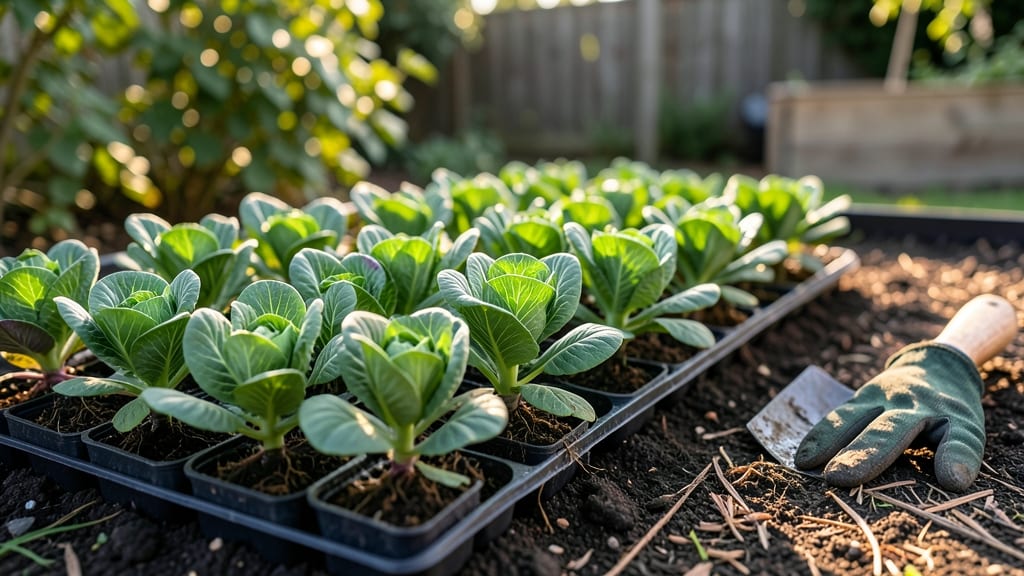
Planting your 🥬 cabbage at the wrong time in Missouri can mean the difference between a bountiful harvest and a bitter disappointment—especially when unpredictable frost dates and heat waves throw off your best-laid plans.
If you're wondering when to plant cabbage in Missouri, the key is timing it right for your 5b-6b zone, where cool springs and warm falls create two perfect windows. Get it wrong, and you might end up with bolted plants or stunted growth from heat stress.
I’ve grown cabbage in Missouri for years, and the secret isn’t just about dates—it’s about soil temperature triggers, frost-free calculations, and picking the right varieties for your region. Let me walk you through the exact steps to maximize your harvest, whether you're in St. Louis, Kansas City, or Columbia.
From early spring starts to late-summer transplants, we’ll cover everything you need to know to avoid common Missouri mistakes—like cabbage maggots or premature bolting—so you can enjoy crisp, homegrown heads all season long.
Missouri cabbage planting calendar: exact dates for zone 5b success
Missouri’s Zone 5b climate demands precision when planting cabbage—get it wrong, and you’ll face bitter-tasting heads or stunted growth. The key? Planting when soil temperatures hit 40°F-50°F and aligning with your region’s last frost date.
In St. Louis, this typically means March 15-April 15 for spring plantings, while Kansas City and Columbia gardeners should aim for March 20-April 10.
For a fall harvest, focus on late summer plantings—July 15-August 15—to ensure heads mature before the mid-October first frost. This two-season approach maximizes your harvest window and minimizes risks from Missouri’s unpredictable weather swings.
Here’s the breakdown of soil temperature triggers and planting windows tailored to Missouri’s microclimates:
| Season | Planting Window | Soil Temp (°F) | Last Frost Buffer | Harvest Window |
|---|---|---|---|---|
| Spring | March 15-April 15 | 40°F-50°F | 4-6 weeks before last frost | May-July |
| Fall | July 15-August 15 | 45°F-55°F | 8-10 weeks before first frost | September-October |
| St. Louis | March 20-April 10 | 42°F-52°F | Adjust for urban heat islands | Late May-Early July |
| Kansas City | March 10-April 5 | 40°F-48°F | Later frost dates | Mid-May-June |
Note: Use a soil thermometer to confirm temperatures before planting.
Missouri’s limestone-rich soil can slow warming, so always test soil temps at 6 inches deep. If your garden runs cold, opt for black plastic mulch to raise soil temperatures by 5-10°F and speed up germination.
For direct sowing, plant seeds ¼ inch deep and space them 18-24 inches apart in rows 24-36 inches apart. If transplanting seedlings, harden them off for 7-10 days before setting them out to avoid transplant shock—a common issue in Missouri’s variable spring weather.
Pro tip: Use shade cloth during extreme heat waves (common in July-August) to prevent bolting. Cabbage hates temperatures above 80°F, so afternoon shade can extend your fall planting window by 2-3 weeks.
Missouri’s humidity levels (especially in summer) also affect planting. Aim for morning planting to reduce fungal risks like downy mildew, which thrives in the state’s 70%+ humidity during peak growing months.
Finally, keep a planting journal to track your local frost dates—Missouri’s microclimates can vary by 1-2 weeks even within the same county. Over time, you’ll refine your timing for crisp, homegrown cabbage every season.
Cabbage varieties that thrive in Missouri’s climate (with planting adjustments)
Missouri’s variable climate demands cabbage varieties that can handle both early spring chills and summer heat waves. Not all cabbages perform equally—some bolt prematurely in June’s heat, while others struggle with late-season frost. Choosing the right variety ensures a reliable harvest from your Missouri garden.
For spring plantings, prioritize early-maturing varieties like Green Towers, which can go from seed to harvest in just 60-65 days. This variety thrives when planted in March or early April, giving it time to mature before summer’s intensity.
Meanwhile, mid-season types like Golden Acre (70-75 days) need a late July planting to avoid bolting.
Heat-tolerant varieties are your best bet for Missouri’s sweltering summers. Cavalo cabbage, for example, handles temperatures up to 90°F better than most, making it ideal for August sowings. Its loose-leaf structure also resists common Missouri pests like cabbage moths, which thrive in humid summers.
| Variety | Days to Maturity | Best Planting Window | Missouri-Specific Notes |
|---|---|---|---|
| Green Towers | 60-65 | March-April (spring) | Cold-hardy; avoid summer heat |
| Golden Acre | 70-75 | Late July (fall) | Mid-season; needs consistent moisture |
| Cavalo | 80-85 | August (late summer) | Heat-tolerant; loose head resists pests |
If you’re growing cabbage for fall harvests, consider savoy varieties like Red Express, which can tolerate light frosts and even improve in flavor after a 28°F touch. Plant these in mid-July to ensure heads mature before October’s first frost.
For urban gardeners with limited space, miniature varieties like Miniature Drumhead (50-55 days) fit containers and thrive in partial shade—perfect for St. Louis balconies.
Pro tip: Succession planting extends your harvest window. Sow Green Towers every 2 weeks from March to May, then switch to Cavalo in August. This 3-month strategy keeps your kitchen stocked with fresh cabbage year-round.
Just remember—soil temperature matters most. Wait until soil reaches 45°F before planting, or seedlings will rot in cold, damp Missouri springs.
Missouri’s humid summers can turn cabbage heads bitter if plants bolt. To prevent this, mulch heavily with straw and water deeply during heat waves. Varieties like Cavalo handle stress better, but even they need consistent care to avoid the bitter disappointment of a failed crop.