
Plants
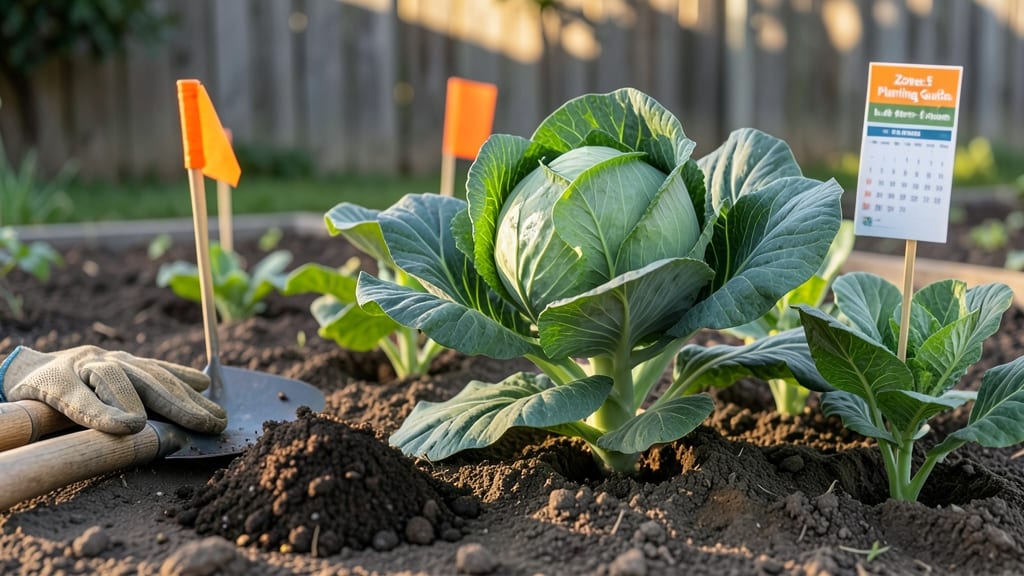
Knowing when to plant cabbage in Zone 5 can mean the difference between a thriving garden and a sad, bolted mess. 🥬 Cabbage loves cool weather, but if you plant it too early, frost will kill your seedlings, and if you wait too long, the heat will send it running to seed before you get a single crisp head.
In Zone 5, your best bets are early spring—right after the last frost—or late summer, when temperatures start to cool down again. But timing isn’t just about the calendar; it’s about soil temperature, frost dates, and even your local microclimate.
Urban heat islands or sheltered spots can push your planting window by weeks, so let’s break it down so you don’t guess.
You’ll learn the exact weeks to plant for both spring and fall crops, how to adjust for your specific frost dates, and whether you should start seeds indoors or sow directly. No more second-guessing—just a clear, actionable plan to grow the best cabbage your garden has ever seen.
Whether you’re a beginner or a seasoned gardener, these tips will help you avoid the most common mistakes and get heads that are firm, sweet, and ready to harvest at the perfect time. Let’s get those seeds in the ground the right way.

Best planting windows for cabbage in Zone 5: early vs late crops
Cabbage in Zone 5 thrives in cool weather, so timing your planting is critical. The two best windows are early spring (March-April) and late summer (July-August). Planting outside these windows risks bolting (premature flowering) or poor head formation due to heat stress.
For spring cabbage, start seeds indoors 6-8 weeks before your last frost date (typically mid-May in Zone 5). Transplant seedlings outdoors 4-6 weeks before the last frost. This ensures mature heads by late June before summer heat sets in.
For fall cabbage, sow seeds directly outdoors 8-10 weeks before your first frost (usually mid-October in Zone 5). This means planting in late July to early August for a harvest in September-October, just before frost.
Here’s how these planting windows compare for Zone 5 gardeners:
| Planting Window | Best Time in Zone 5 | Seed Starting Method | Soil Temp Requirement | Harvest Window |
|---|---|---|---|---|
| Early Spring | March 15 - April 15 | Indoors (6-8 weeks before last frost) | 45-55°F (7-13°C) | June - July |
| Late Summer | July 15 - August 15 | Direct sow outdoors | 50-60°F (10-16°C) | September - October |
Adjust these dates if you live in a microclimate with earlier last frosts (e.g., urban heat islands or high elevations). For example, if your last frost is May 1st, start seeds indoors by March 1st.
For direct sowing in spring, wait until soil temperatures stabilize above 45°F (7°C). Use a soil thermometer to avoid planting too early, which can stunt growth. Cold-hardy varieties like 'January King' or 'Winterbor' tolerate light frosts better than heat-sensitive types.
In late summer, prioritize shade-tolerant varieties like 'Golden Acre' to handle rising temperatures. Plant in partial shade if your area hits 85°F (29°C) regularly, as direct sun can cause bolting.
Succession planting every 2 weeks in spring or fall extends your harvest. For example, sow a new batch every 14 days from March 15 to April 15 for a staggered harvest through July.
Always check your seed packet for days to maturity. A 70-day variety planted on March 15 will be ready by May 25, while a 60-day variety planted on July 15 will mature by September 15.
Pro tip: Mark your planting dates on a garden calendar to avoid missing the window. Use straw mulch to regulate soil temperature and retain moisture during critical growth phases.
Best planting windows for cabbage in Zone 5: early vs late crops
In Zone 5, your cabbage will thrive if planted during two key windows: early spring (March-April) and late summer (July-August). These periods align with cool soil temperatures and avoid the heat that triggers bolting—the plant’s way of going to seed before forming a head.
For spring crops, aim to plant 4-6 weeks before your last frost date (typically mid-May in Zone 5), while fall crops should go in 8-10 weeks before the first frost (mid-October).
Your local frost dates are the foundation of your planting schedule. Check the USDA Plant Hardiness Zone Map for your exact last frost date—it can vary by 1-2 weeks even within Zone 5.
For example, Chicago’s last frost often lands in mid-April, while Raleigh’s might be mid-May. Adjust your timing accordingly to avoid frost damage to young seedlings.
| Planting Window | Soil Temp | Frost Risk | Best Varieties |
|---|---|---|---|
| Early Spring (March-April) | 40-50°F | Low (after last frost) | ‘Golden Acre’, ‘Red Express’ |
| Late Summer (July-August) | 50-60°F | Moderate (before first frost) | ‘Early Jersey Wakefield’, ‘Savoy King’ |
For spring planting, start seeds indoors 6-8 weeks before transplanting (around late February) to give them a head start. Harden them off for 1-2 weeks before moving outdoors, and transplant when soil temps hit 40°F.
If you’re direct sowing, wait until soil is 50°F or warmer—this prevents seed rot and ensures faster germination.
Fall crops need longer daylight exposure to form heads, so plant them 8-10 weeks before frost (typically late July). Use cold-hardy varieties like ‘January King’ or ‘Winterbor’ to extend your harvest into early winter. These varieties can tolerate light frosts (20-25°F) and even improve flavor after a frost!
Don’t overlook microclimates—your garden’s specific conditions can shift planting windows by 1-3 weeks. South-facing beds warm up faster, while shaded areas stay cooler. Urban heat islands may require earlier fall plantings to avoid summer heat stress. Always monitor your soil temperature with a soil thermometer for precise timing.
Pro tip: Succession plant every 2-3 weeks in spring and fall to ensure a steady harvest. This prevents gluts and gaps, giving you fresh cabbage for 3-4 months straight. With the right timing, you’ll enjoy crisp, sweet heads all season long—no bitter surprises here! 🥬