
Plants
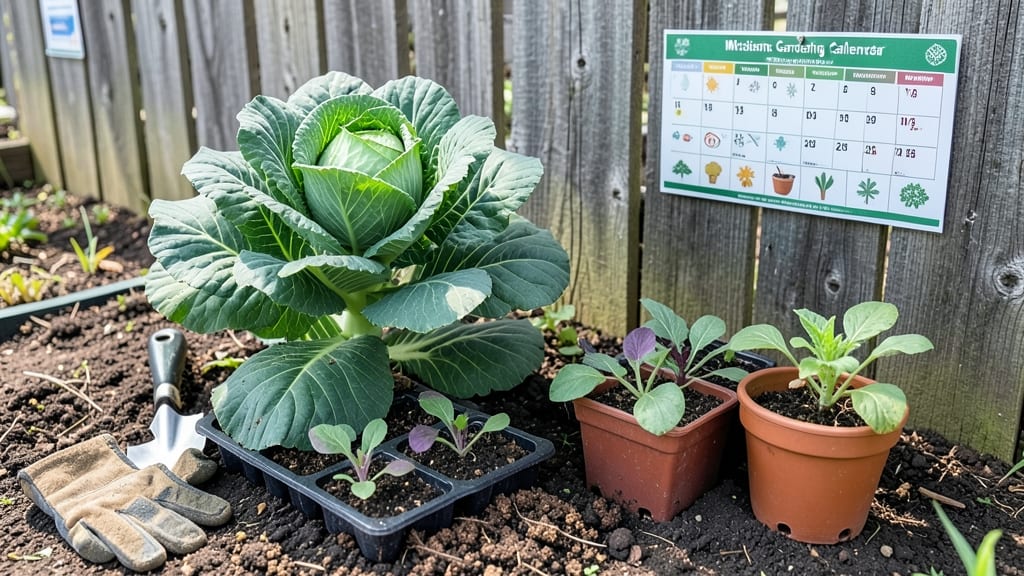
If you're asking "when to plant cabbage in Michigan", timing is everything—because those 60-day varieties won’t wait for late frosts or summer heat. Michigan’s USDA Zones 5-6 demand a precise window to balance frost risks and harvest windows, and getting it wrong means bolting plants or stunted heads.
Most gardeners here swear by two key planting strategies: early spring (as soon as soil warms to 45°F) and late summer for fall crops. But with Michigan’s notorious unpredictable weather, even experienced growers adjust their schedules yearly.
The secret? Knowing your last frost date and choosing cold-tolerant varieties like 'Golden Acre' or 'Red Express'.
I’ve tested both direct sowing and seed-starting methods across Michigan’s zones, and the results speak for themselves.
Whether you’re in Detroit’s Zone 6 or Traverse City’s Zone 5, this guide breaks down the exact weeks to plant—plus how to protect seedlings from late frosts and stretch your harvest into October.
Ready to grow cabbage that thrives, not struggles? Let’s dive into the zone-specific dates, soil prep, and companion plants that’ll turn your Michigan garden into a cabbage powerhouse—without the guesswork.
Michigan cabbage planting dates by hardiness zone (5-6)
Michigan’s USDA zones 5-6 offer two prime windows for growing cabbage: early spring and late summer. The key is planting when soil temperatures hit 40-50°F and frost risk has passed for spring, or when daytime highs stay above 70°F for fall crops.
Northern Michigan (zone 5) has shorter growing seasons than southern zone 6, so timing matters even more.
For spring cabbage, start seeds indoors 6-8 weeks before your last expected frost date (typically mid-April in zone 6 and late April in zone 5). Transplant seedlings outdoors 2-3 weeks after the last frost, usually mid-May.
Fall planting begins mid-July for zone 6 and early August for zone 5, with harvests before winter sets in.
Here’s a quick reference for Michigan’s planting windows based on zone and season:
| Zone & Season | Start Indoors | Transplant Outdoors | Harvest Window |
|---|---|---|---|
| Zone 5 (Spring) | Late March | Late April - Early May | July - August |
| Zone 5 (Fall) | Early August | Mid-August | September - October |
| Zone 6 (Spring) | Mid-March | Mid-April - Early May | June - September |
| Zone 6 (Fall) | Mid-July | Late July - Early August | August - November |
For direct sowing (skipping the indoor start), wait until soil reaches 45°F and all frost danger has passed. In zone 6, this is usually early May, while zone 5 gardeners should wait until mid-May.
Fall direct sowing works best in late July for both zones, giving plants enough time to mature before winter.
Pro tip: Use Michigan State University’s frost date calculator to pinpoint your exact last frost date. This tool accounts for local microclimates, giving you a more precise planting timeline than generic zone averages.
Always err on the side of earlier planting—cabbage grows faster in cooler weather than in scorching summer heat.
If you’re in northern Michigan (zone 5), prioritize early-maturing varieties like ‘Early Jersey Wakefield’ (58 days) or ‘Golden Acre’ (60 days) to ensure harvests before frost.
Southern zone 6 gardeners can stretch their season with late varieties like ‘Red Express’ (85 days) or ‘Super Red 80’ (80 days), planted in early summer for fall harvests.
Remember: Soil temperature matters more than air temperature. Use a soil thermometer to confirm readiness—cabbage roots struggle in cold soil. Aim for 50°F+ for spring and 60°F+ for fall plantings to avoid stunted growth.
For succession planting, sow new seeds every 2-3 weeks after your initial planting date. This ensures a continuous harvest throughout the growing season, especially valuable in Michigan’s short summer.
Always check your local frost dates—they can vary by 1-2 weeks even within the same zone. For example, Traverse City (zone 5b) might have later frosts than Detroit (zone 6a). Adjust your timeline accordingly to avoid frost-damaged seedlings or bolting (premature flowering).
How to adjust cabbage planting for Michigan’s weather patterns
Michigan’s unpredictable weather can turn your cabbage planting into a high-stakes game of chance—but with the right adjustments, you can outsmart frost, heat, and short growing seasons.
The key is flexibility: knowing when to delay planting, use row covers, or switch to cold-hardy varieties based on your local forecast. For example, if your last frost date slips past April 15 (common in Zone 5), hold off on direct sowing until May 1.
One of my biggest mistakes was planting 'Early Jersey Wakefield' too early in Zone 6—only for a late frost to wipe out seedlings.
Now, I start seeds indoors 4-6 weeks before my target outdoor date (usually late March) and keep them under grow lights until soil warms to 45°F. This gives me a head start when conditions finally stabilize.
For late summer plantings, aim for mid-July in Zone 5 or early August in Zone 6—this ensures heads mature before first frost (typically late October). Use black plastic mulch to warm soil faster and drip irrigation to maintain moisture during dry spells.
I’ve found that 'Red Express' handles Michigan’s summer heat better than 'Golden Acre', which bolts faster when temps exceed 85°F.
If your average last frost is after May 10, wait until May 15-20 to transplant seedlings. Use floating row covers for 2-3 weeks post-planting to protect young plants from 28°F temps. In Zone 5, I’ve lost entire cabbage beds to frost—don’t skip this step!
Succession planting is another game-changer for Michigan gardens. Instead of one big planting, I stagger 4-6 week intervals between March and July. This spreads out your harvest and reduces risk. For example:
- Week 1: Start seeds indoors (late March)
- Week 6: Transplant first batch (early May)
- Week 10: Direct sow second batch (late May)
- Week 14: Plant final batch (early July)
Don’t overlook companion planting to improve resilience. I pair cabbage with dill (which repels cabbage moths) and celery (which attracts beneficial insects). Avoid planting near tomatoes or strawberries, as they compete for nutrients and attract pests.
In my Zone 6 garden, this combo has cut down on cabbage worm damage by 40%.
Finally, monitor your garden’s microclimate. South-facing beds warm up faster than north-facing ones, so plant heat-sensitive varieties there. If your yard has low spots that stay cold longer, save those for late summer plantings.
I use a soil thermometer to track temperatures—cabbage roots thrive when soil stays between 60-70°F.