
Plants
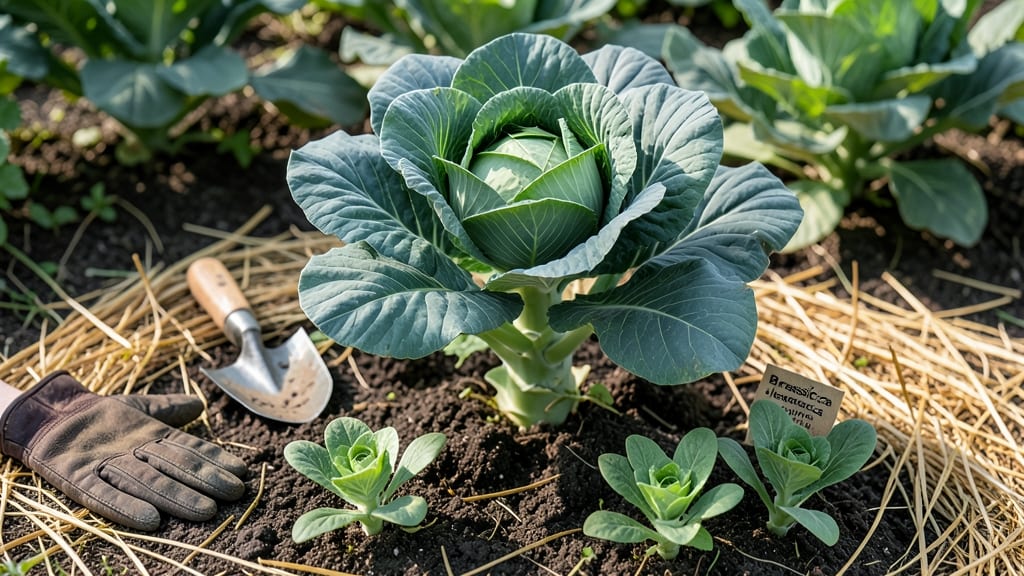
Timing your 🥬 cabbage planting in Kentucky can mean the difference between a bumper crop and a bitter disappointment—especially when bolting turns your heads into bitter, seed-filled disappointment. Kentucky’s 6a-7b climate throws curveballs with unpredictable frost dates and sweltering summers, making the right window absolutely critical.
Most gardeners in the Bluegrass State swear by two golden windows: early spring (March-April) for that first harvest or late summer (July-August) to beat the heat. But here’s the catch—get it wrong, and you’ll either watch your seedlings wilt in a late frost or bolt as temperatures climb.
I’ve spent years perfecting the timing, and what I’m about to share will help you avoid those common mistakes.
You’ll learn exactly when to start seeds indoors, how to adjust for your specific microclimate, and which varieties thrive in Kentucky’s heat. Whether you’re a first-timer or a seasoned gardener, these zone-specific tips will give you the confidence to plant with precision—and harvest like a pro.
The key isn’t just when you plant—it’s how you prepare your soil, protect your plants from Kentucky’s humidity, and time your harvest before bolting takes over. Let’s dive into the strategies that actually work in 6a-7b, so you can enjoy crisp, sweet cabbage all season long.
Kentucky cabbage planting calendar: month-by-month zones 6-7a guide
Timing your cabbage planting in Kentucky is all about avoiding bolting (premature flowering) and frost damage. With USDA zones 6a-7b, your window spans from early spring to late summer, but the devil’s in the details.
Let’s break down the exact months and methods for direct sowing vs. transplanting to maximize your harvest.
For Zone 6a (northern KY), your last frost typically arrives around March 15, while Zone 7b (southern KY) can push planting 2-3 weeks later. This difference means northern growers should start earlier, while southern growers have more flexibility for late-summer crops.
Both zones benefit from fall planting for a second harvest before frost.
Here’s the critical timeline for Kentucky cabbage success:
For spring planting, aim to have seedlings ready 2-3 weeks before your last frost date. In Zone 6a, this means starting seeds indoors by February 15 or transplanting hardened-off seedlings by March 15.
In Zone 7b, you can push seedlings outdoors until April 15 without risking frost damage.
Fall planting is your secret weapon for a second harvest. In both zones, July-August is ideal for late-summer sowing. Choose cold-hardy varieties like ‘Wisconsin Winter’ to survive light frosts. Plant seeds 8-10 weeks before your first frost (around October 15 for Zone 6a, November 1 for Zone 7b).
Pro tip: Use row covers or cold frames to extend your fall harvest by 2-3 weeks. This protects tender cabbage from black rot and cabbage worms while keeping heads crisp. Just remove covers during the day to prevent overheating.
Succession planting is key for continuous harvests. In Zone 6a, sow every 2 weeks from March to July. In Zone 7b, stretch this to 3 weeks until August. This ensures you always have mature heads ready for harvest before bolting sets in.
Watch for soil temperature—cabbage won’t germinate well below 45°F. Use a soil thermometer to confirm readiness. If temps dip, wait 1-2 weeks or use black plastic mulch to warm the soil faster.
Overheated soil (85°F+) also triggers bolting, so shade cloth is your friend in June-July.
Remember: Kentucky’s humidity loves cabbage pests like cabbage loopers and aphids. Monitor plants weekly and act fast—neem oil or row covers can save your crop before infestations spiral. With the right timing, you’ll enjoy crisp, sweet heads from spring through fall!
How to adjust cabbage planting for Kentucky’s heat and humidity risks
Kentucky’s summer heat and high humidity can turn your cabbage crop into a bolting disaster if you don’t adjust your planting strategy. The key is cooling the soil, managing moisture, and protecting plants during peak risk periods (June-August).
Without these adjustments, your sweet cabbage dreams will turn into bitter, seed-filled heads faster than you can say "cabbage worm."
First, focus on soil temperature—cabbage seeds need 45-85°F soil to germinate properly. In Kentucky’s summer, soil can easily exceed 90°F, triggering bolting. Use black plastic mulch or straw mulch to keep soil temps stable.
For extreme heat, try shade cloth (30-50%) over seedlings to reduce stress while still allowing light.
Cabbage planted in June-August faces 3x higher bolting risk due to Kentucky’s 90°F+ afternoons and 80%+ humidity. Watch for:
- 🌡️ Soil temps above 85°F (use mulch)
- 💧 Overhead watering (causes fungal diseases)
- 🌱 Rapid leaf yellowing (early bolting sign)
Watering is another critical adjustment. Kentucky’s humidity means fungal diseases like black rot thrive when leaves stay wet. Always water at soil level in the morning to give foliage time to dry.
Avoid evening watering—this creates the perfect environment for downy mildew. For container-grown cabbage, check moisture daily; potted plants dry out 2x faster in summer heat.
For fall planting (July-August), choose late-maturing varieties like 'Wisconsin Winter' that can handle Kentucky’s September temperature swings. Plant seeds 8-10 weeks before your first frost (typically October 15 for Zone 6a).
Use row covers at night to protect young plants from cabbage loopers while allowing daytime warmth to accelerate growth.
Don’t forget about succession planting—this is your best defense against summer bolting. Instead of planting all at once, stagger seeds every 2 weeks from March through July. This ensures you always have young, heat-sensitive plants maturing during cooler periods.
For example, seeds sown in early July will develop heads by September, avoiding the worst heat.
Protect your cabbage from pests too—Kentucky’s humidity attracts aphids, cabbage worms, and imported cabbageworms. Apply neem oil preventatively every 10-14 days during high-risk months. For organic control, try row covers or introduce beneficial nematodes to soil. Remove any yellowing leaves immediately to prevent disease spread.
With these adjustments, you’ll beat Kentucky’s climate challenges and enjoy crisp, sweet cabbage from spring through fall—no bolting in sight! The secret is proactive cooling, precise watering, and strategic planting to work with (not against) the weather.
Your garden will thank you with bountiful, disease-free heads all season long. 🌱