
Plants
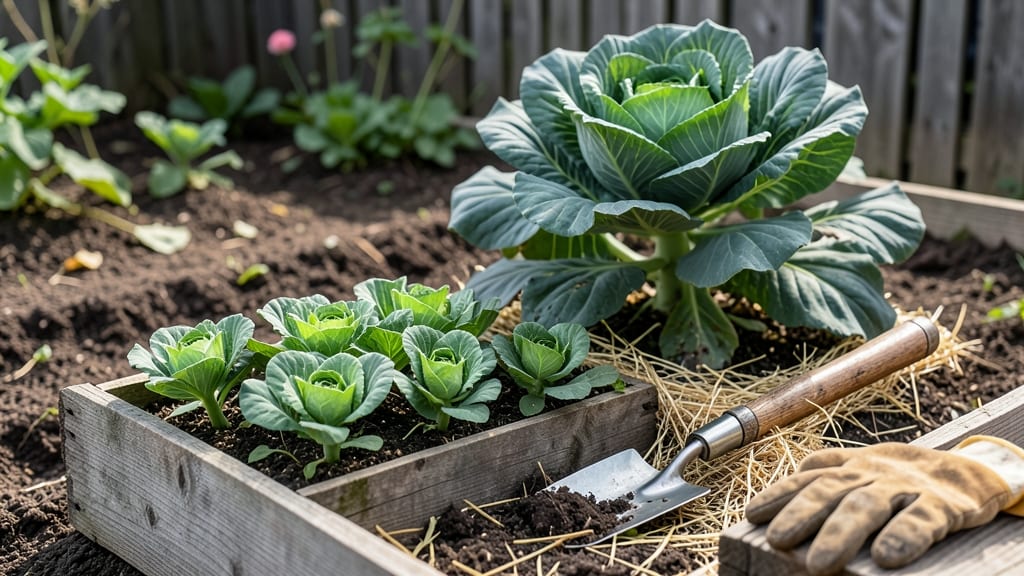
Knowing when to plant cabbage in California can mean the difference between a thriving harvest and wasted effort—especially when your garden spans everything from the foggy coastlines of San Francisco to the scorching Central Valley.
Cabbage 🥬 thrives in cooler weather, but California’s diverse microclimates throw a wrench into timing. Plant too early, and summer heat will send your plants bolting before you even get a head. Too late, and frost could ruin your crop before harvest.
The key? Understanding your exact zone—whether you’re in USDA Zone 10 (coastal) or Zone 9 (inland)—and planting at the right moment for your region.
In this guide, I’ll break down the perfect planting windows for both spring and fall crops, so you can avoid common mistakes and maximize your yield. Whether you’re a coastal gardener or an inland farmer, you’ll learn how to time your cabbage just right for a bumper harvest.
Ready to grow cabbage that’s firm, flavorful, and ready at the perfect time? Let’s dive into the science—and the secrets—of California cabbage planting.
Optimal cabbage planting times by California climate Zone
Cabbage thrives in California’s cool seasons, but the perfect planting window shifts dramatically between coastal fog belts and inland heat zones.
In coastal areas like San Francisco or Santa Barbara, you can plant year-round with minimal frost risk, while inland valleys (Sacramento, Fresno) demand precise timing to avoid summer bolting. Let’s break it down by zone to maximize your harvest.
For spring harvests, aim to plant 4–6 weeks before last frost—typically February to early March in inland areas and January to February along the coast. Fall crops should go in August to early October, giving heads time to mature before winter rains. Heat-tolerant varieties like ‘Golden Acre’ or ‘Red Express’ can stretch these windows slightly in inland zones.
| Zone | Spring Planting | Fall Planting | Key Challenge |
|---|---|---|---|
| Coastal (SF, LA) | Jan–Feb (transplant) or Feb–Mar (direct sow) | Aug–Sept (transplant) or Sept–Oct (direct sow) | Fungal diseases (humidity) |
| Central Valley (Sacramento, Fresno) | Feb–early Mar (transplant) | Aug–early Sept (transplant) | Boling in summer heat |
| Desert (Palm Springs, Coachella) | Oct–Nov (cool season only) | Not recommended (extreme heat) | Year-round heat stress |
Direct sowing works for cooler zones, but transplants (from nurseries) give inland growers a head start. Start seeds indoors 4–6 weeks before outdoor planting if you’re in Zone 9 or hotter. Use shade cloth (30–50%) for summer transplants to protect tender seedlings from 100°F+ soil temps.
In coastal areas, succession planting every 2–3 weeks ensures a steady supply. For example, plant one batch in January, another in March, and a final fall crop in August.
This staggered approach works because coastal fog keeps soil temps mild year-round, unlike inland zones where July–August heat can scorch young plants.
Always check soil temperatures—ideal range is 45–85°F. Use a soil thermometer to avoid planting when temps exceed 80°F, which triggers bolting. Inland growers should aim for morning planting to reduce midday heat stress on seedlings.
For year-round coastal growing, opt for slow-bolting varieties like ‘Winterbor’ or ‘Golden Ball’. These tolerate mild winters and summer shade better than standard types. Inland gardeners should stick to cool-season varieties and avoid planting after June 1 unless using drip irrigation and shade.
Pro tip: Mulch heavily (3–4 inches of straw) to keep roots cool in summer. This buys you 2–3 extra weeks of planting in hot zones. Pair mulch with drip irrigation set to run early morning to prevent fungal issues from wet foliage.
Remember, California’s microclimates can vary even within cities. For example, Berkeley’s coastal fog might support year-round planting, while Oakland’s inland pockets (just 10 miles away) need shade cloth. Always scout your specific spot for 2–3 weeks before planting to gauge local conditions.
If you’re unsure about your zone, use the USDA Plant Hardiness Zone Map and cross-reference with local frost dates from the National Weather Service. For most home gardeners, 6–8 weeks before first frost is your golden window—whether that’s February in Sacramento or January in San Francisco.
How to adjust planting for coastal vs. inland microclimates
California’s coastal and inland regions have wildly different growing conditions, and cabbage thrives best when you adapt your planting strategy to your specific microclimate.
Coastal areas like San Francisco and Santa Barbara enjoy milder winters and cooler summers, while inland zones like Sacramento and Fresno experience hotter days and colder nights. Even a 10-degree difference in average temperature can shift your planting window by weeks.
For coastal gardeners, the biggest challenge is often late-winter frost—even in Zone 10, temperatures can dip into the 30s°F (1–4°C) in January. Meanwhile, inland growers must battle summer heat stress, which can send cabbage bolting (flowering prematurely) if planted too early.
The solution? Adjust your timing, soil prep, and even your shade strategies to match your local climate.
Here’s how to tailor your cabbage planting for coastal vs. inland microclimates, including the tools and techniques that make all the difference:
- ✅ Extend fall planting into early November for winter harvest—coastal areas rarely see frost before December.
- ✅ Use row covers in late fall to protect tender young plants from unexpected cold snaps.
- ✅ Plant fast-maturing varieties (e.g., ‘Golden Acre’) to harvest before summer heat arrives in June.
- ✅ Avoid direct summer sowing—coastal humidity + heat = fungal diseases like downy mildew.
- ✅ Start spring transplants in March (not February) to avoid bolting—soil temps above 70°F (21°C) trigger flowering.
- ✅ Use shade cloth (30–50%) for summer crops to keep soil temps below 75°F (24°C).
- ✅ Choose heat-tolerant varieties like ‘Crimson Globe’ or ‘Waxed Head’ for inland summers.
- ✅ Plant fall crops by August 15 to ensure heads mature before first frost (usually November 1).
Beyond timing, soil temperature is your secret weapon. Coastal soils stay cooler longer, while inland soils heat up fast. Use a soil thermometer to check readiness—cabbage seeds need soil temps between 45–85°F (7–29°C).
If your inland soil hits 85°F (29°C) in spring, wait or use shade cloth until temps drop. For coastal gardeners, focus on drainage—foggy mornings mean soggy soil can lead to rot.
Pro tip: Raised beds solve both problems. Inland beds warm up faster in spring (great for early starts) and drain better in coastal humidity. Fill them with compost-rich soil and mulch with straw to stabilize temps.
Whether you’re battling coastal fog or inland heat, these tweaks will keep your cabbage cool, happy, and headed for harvest.
🌿