
Plants
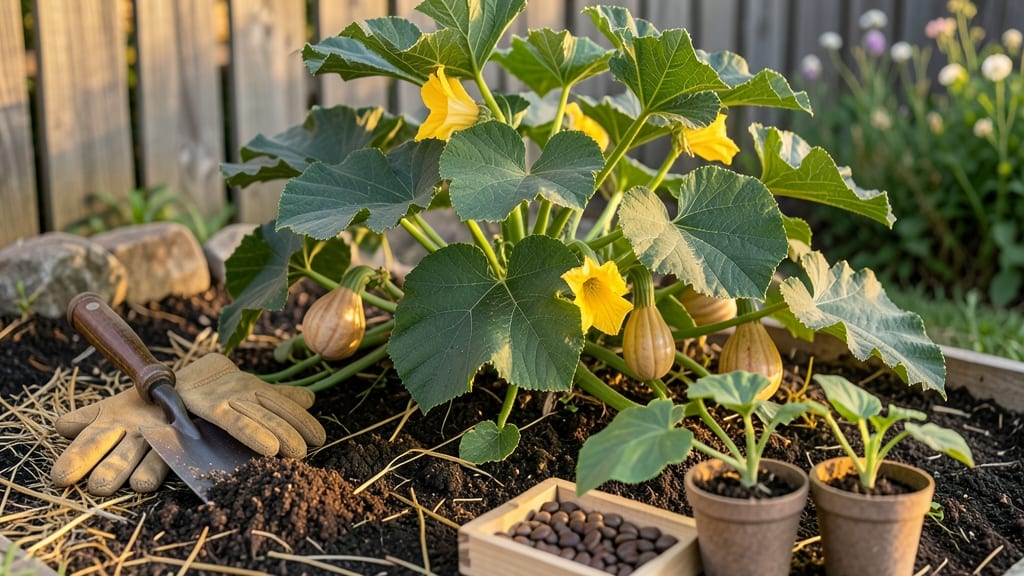
Planting butternut squash seeds in the UK at the wrong time can mean the difference between a bountiful harvest and wasted effort. With 80–100 days to maturity, timing is everything—especially when late frosts or chilly soils threaten young seedlings.
Most UK gardeners in zones 8–9 (like London or Cornwall) should wait until mid-April to early June after the last frost has passed. But rushing it too soon? Your seeds might rot in cold soil, while planting too late risks stunted growth before autumn’s first chill sets in.
In this guide, I’ll break down the ideal planting windows for your region, plus pro tips for extending the season with cloches or fleece. Whether you’re a first-timer or a seasoned grower, these insights will help you avoid common mistakes and grow healthier, sweeter squash.
Ready to turn your patch into a butternut bonanza? Let’s get started with the exact dates and techniques that work for UK gardens.
Best months to plant butternut squash seeds in the UK (by region)
Timing your butternut squash seeds correctly in the UK is crucial—get it wrong, and you risk frost damage or stunted growth. The ideal window is mid-April to early June, but this shifts slightly depending on your region.
Southern England enjoys warmer soils earlier, while northern areas need to wait for soil temperatures above 15°C (60°F) to avoid slow germination.
In the South (e.g., London, Cornwall), you can start sowing outdoors from late April once the risk of frost has passed.
The Midlands (Birmingham, Manchester) should aim for early May, and northern regions (Edinburgh, Newcastle) may need to wait until mid-May to avoid late frosts. Always check your local last frost date—this is your golden rule.
For gardeners in cooler microclimates or high-altitude areas, consider starting seeds indoors in March under grow lights. Transplant seedlings outdoors after the last frost date (usually mid-May in most UK regions). This gives your squash a head start in the shorter UK growing season.
🌱
When planting, always choose a sunny, sheltered spot with well-draining soil. Butternut squash loves warmth, so avoid shaded areas or spots prone to early morning frosts.
If your soil is still cold in May, create mounds or hills to warm the roots faster—this is a classic trick UK gardeners use.
For container growing, start seeds in pots by late April and move them outdoors after the last frost. Containers warm up faster than ground soil, giving you a slight edge in cooler regions. Just ensure pots are at least 30cm (12 inches) deep to accommodate the squash’s sprawling roots.
Pro tip: Plant your seeds on a warm, sunny day when soil temperatures are ideal. If the forecast predicts rain, delay planting by a week—waterlogged soil can rot seeds before they even sprout. Always check the 7-day forecast before committing to your planting date.
Remember, butternut squash needs 80–100 days to mature, so factor this into your planting timeline. If you’re in a northern or high-altitude area, opt for early-maturing varieties like ‘Waltham’s Butternut’ (75 days) to maximize your harvest before the first frost in October or November.
Finally, mark your calendar with your local last frost date—this is your non-negotiable deadline. Planting too early can mean wasted seeds, while waiting too long risks a shortened growing season and smaller yields. Balance is key!
☀️
Best months to plant butternut squash seeds in the UK (by region)
The UK’s varied climate means butternut squash planting times differ dramatically from London’s Zone 8a to Scotland’s Zone 7a. In the southern UK, you can start seeds as early as mid-April, while northern gardeners should wait until late May to avoid frost damage.
The key is planting after your last frost date, when soil temperatures consistently stay above 15°C (60°F). Check local frost forecasts—Met Office data is your best guide.
Butternut squash seeds need warm soil to germinate, so cold March nights are risky even in the south. If you’re eager to start early, use seed trays indoors under grow lights from early March, then transplant hardened-off seedlings outdoors in May or June.
This two-stage approach works well for cooler UK regions like Yorkshire or Wales.
| Region | Last Frost Date | Ideal Planting Window | Soil Temp Requirement | Notes |
|---|---|---|---|---|
| Southern UK (London, Cornwall) | Mid-April to early May | Mid-April to early June | 15°C+ (60°F+) | Earliest planting; use fleece for late frosts. |
| Midlands (Birmingham, Nottingham) | Late April to early May | Late May to early June | 15°C+ (60°F+) | Wait for stable warmth; cloches help early starts. |
| Northern UK (Yorkshire, Scotland) | Early to mid-May | Late May to early June | 15°C+ (60°F+) | Greenhouse or fleece essential; shorter growing season. |
For direct sowing outdoors, aim for late May to early June across most of the UK. This timing ensures your butternut squash seedlings have 80–100 days of warm weather to mature before the first frost.
In cooler zones, opt for early-maturing varieties like ‘Waltham Butternut’ (70–80 days) to maximize yields.
If you miss the outdoor window, don’t despair—container growing lets you plant butternut squash seeds as late as June in the south. Use large pots (30+ liters) with well-draining compost and place them in a sheltered, sunny spot.
Containers warm up faster than ground soil, giving vines a fighting chance in shorter UK summers.
Pro tip: Test your soil temperature with a soil thermometer before planting. Butternut squash seeds won’t germinate below 15°C (60°F), and even if they do, cool soil slows growth.
If your soil is too cold, delay planting by 1–2 weeks or use black plastic mulch to warm it faster.
Remember, butternut squash thrives in warmth, so the earlier you plant (after frost risk passes), the bigger your harvest will be. Mark your calendar for your region’s last frost date, and you’ll be well on your way to a bumper crop! 🎃