
Plants
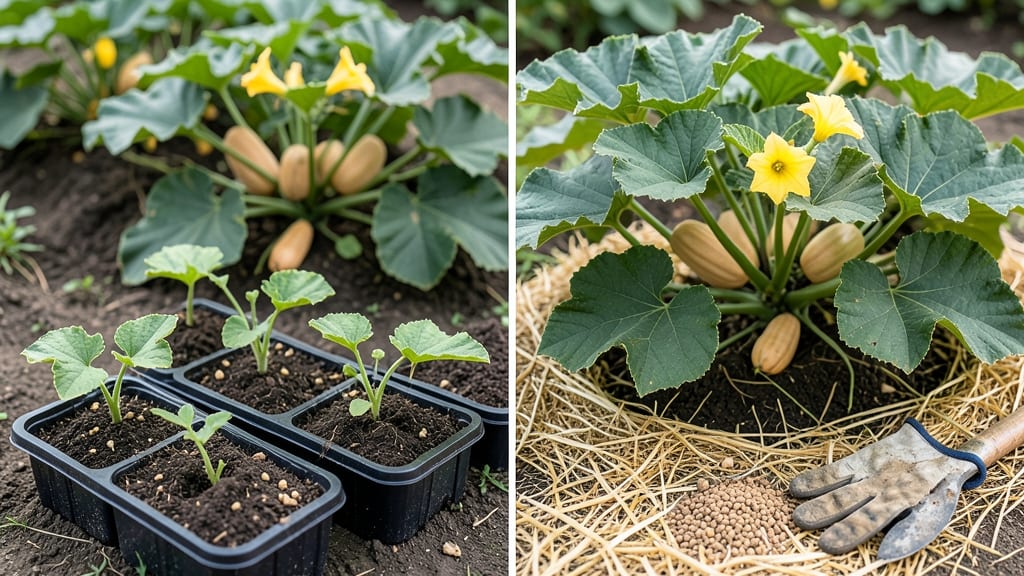
If you're dreaming of a bountiful harvest of butternut squash 🎃 in Florida, timing is the game-changer—plant too early, and you risk heat stress or pests; too late, and you might miss the sweet spot for a full harvest.
Florida’s frost-free climate gives you two prime windows to grow these nutritious gourds, but knowing exactly when to start is key to avoiding common mistakes.
The ideal time to plant butternut squash in Florida is either in early spring (March-April) or late summer (July-August), when soil temperatures hit that sweet 70-90°F range. This ensures your plants thrive without wilting under the midday sun or struggling in cooler mornings.
But here’s the catch: Florida’s heat can be relentless, so spacing your plants 3-4 feet apart and using shade cloth in peak summer months can make all the difference.
You might think Florida’s warm weather means you can plant anytime, but skipping soil prep or ignoring companion plants (like nasturtiums to deter pests) can turn your garden into a battleground.
I’ll walk you through the exact steps to set your butternut squash up for success—from soil temperature checks to adjusting for your specific region, whether you’re in North, Central, or South Florida.
Ready to grow a harvest that’ll last? Let’s dive into the best planting strategies tailored for Florida’s unique climate, so you can enjoy homegrown butternut squash from July through December—no frost in sight!
Best planting times for butternut squash in Florida by region
Butternut squash thrives in Florida’s warm climate, but timing matters to avoid summer heat stress or pest outbreaks. Unlike northern states, Florida’s frost-free year-round means we focus on soil temperature and seasonal pests.
Plant too early, and your squash may bolt before fruiting; too late, and you’ll face overlapping harvests with summer pests like cucumber beetles.
Most Florida gardeners succeed with two planting windows: spring (March–April) and summer (July–August). Spring plantings yield fruit by July–October, while summer plantings produce October–December harvests. South Florida’s warmer microclimates even allow year-round planting with shade adjustments, but let’s break it down by region for best results.
Soil temperature is critical—butternut squash needs 70–90°F soil to germinate. Use a soil thermometer to check depths of 2–4 inches. In Florida, this typically aligns with late March for North Florida and February for South Florida. If soil is cooler, wait until temperatures stabilize to avoid slow germination or seed rot.
| Region | Ideal Planting Window | Soil Temp Requirement | Harvest Window | Key Considerations |
|---|---|---|---|---|
| North Florida (USDA Zones 8a-9a) | March 15–April 15 | 70–80°F | July–October | Avoid summer planting; heat stress risks |
| Central Florida (USDA Zone 9b) | February 28–April 1 | 75–85°F | June–November | Use shade cloth for July plantings |
| South Florida (USDA Zones 10a-11) | January 15–March 1 or July 15–August 15 | 80–90°F | May–September or October–December | Year-round possible with shade and irrigation |
For North Florida gardeners, stick to spring planting only. The July–August heat can cause blossom drop or fruit deformities. If you’re tempted to plant in summer, opt for shade-tolerant varieties like ‘Waltham Butternut’ and use 30–50% shade cloth to protect young plants.
Central Florida offers flexibility with two strong windows. My July plantings often yield sweeter squash because the cooler fall temperatures reduce stress. However, watch for squash vine borers, which peak in August—use row covers or neem oil sprays as a preventative.
South Florida’s tropical climate lets you plant year-round, but avoid peak summer (June–July) unless you’re using hydroponics or container growing with drip irrigation. For January plantings, focus on fast-maturing varieties (70–80 days) to harvest before spring humidity spikes and powdery mildew becomes an issue.
Whether you’re direct sowing seeds or transplanting seedlings, space vines 3–4 feet apart to prevent crowding and disease. In Florida’s humid climate, airflow is critical—this reduces fungal infections like downy mildew. Pair your squash with bush beans or marigolds to deter pests naturally.
Pro tip: If you miss the spring window, don’t despair! Transplanting mature seedlings (from a nursery) in late May–June can still work, but choose compact varieties like ‘Sugar Pie’ to handle late-season heat better. Just be prepared for shorter vines and smaller yields.
🎃
Best planting times for butternut squash in Florida by region
Florida’s frost-free climate means you can grow butternut squash year-round, but timing still matters to avoid heat stress or pests. The ideal window focuses on soil temperatures of 70-90°F and regional microclimates.
North Florida’s cooler nights may need earlier planting, while South Florida’s humidity demands extra spacing to prevent disease.
For maximum yield, aim for spring planting (March-April) or late summer (July-August). Spring crops mature before peak summer heat, while summer plantings avoid early-season pests. Always check soil temps with a thermometer—60°F is the minimum for germination.
Here’s how Florida’s regions differ in optimal timing:
Direct sowing is best for Florida’s climate, but you can also transplant seedlings if starting indoors. Harden off seedlings for 7-10 days before moving them to the garden. Choose disease-resistant varieties like ‘Waltham Butternut’ or ‘Gold Rush’ to handle Florida’s humidity.
After planting, maintain consistent moisture and mulch with straw or grass clippings to retain soil temperature and deter weeds. Avoid overhead watering to prevent fungal diseases like downy mildew, which thrives in Florida’s damp air.
For a second harvest, try succession planting every 2-3 weeks during your region’s ideal window. This stretches your yield and reduces pest pressure on a single crop. Just remember: butternut squash needs space—crowding invites disease and cuts yield.
🎃