
Plants
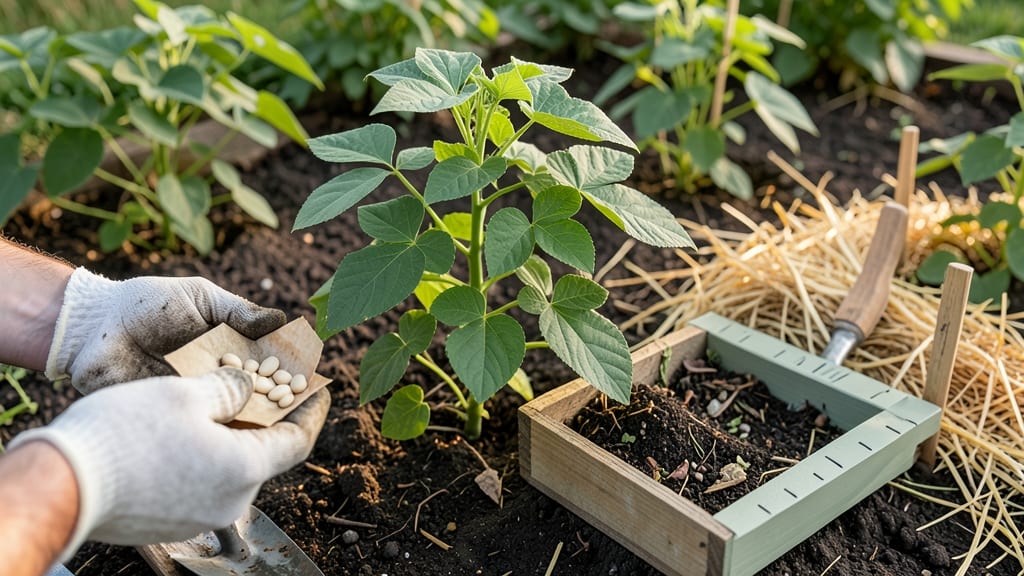
Timing your butter bean 🌱 harvest starts with knowing exactly when to plant them in North Carolina—because getting it wrong means the difference between a garden full of thriving vines and a sad, wilted disappointment. The 60°F soil temperature rule isn’t just a suggestion; it’s the secret to strong, productive plants that actually produce those sweet, buttery pods you’re dreaming of.
Here’s the thing: North Carolina’s 6a-8b zones create wildly different microclimates, from the cooler mountain valleys to the toasty coastal plains. What works in Asheville’s Zone 7a might flop in Wilmington’s Zone 8b if you don’t adjust your schedule.
I’ll show you how to read your local frost dates and soil conditions to pick the perfect April-June window for planting.
You might think “just plant after the last frost” is enough—but butter beans need more than that. They crave warmth, and rushing them can lead to stunted growth or even failed crops.
I’ll walk you through the 3 key signs your soil is ready (and what to do if it’s not), plus how to stretch your growing season with simple tricks that actually work.
Ready to grow butter beans that outperform your neighbors’? Let’s dive into the exact planting timeline for your county—and the little adjustments that make all the difference between a mediocre harvest and a garden full of homegrown goodness.
NC butter bean planting timeline by county: frost-free dates and ideal windows
North Carolina’s diverse climate means your butter bean planting window varies dramatically from the mountains to the coast. In USDA Zones 7a-8a, timing isn’t just about avoiding frost—it’s about matching your soil temperature and local microclimate.
Most gardeners aim for April through June, but cooler mountain regions like Asheville may need to wait until May, while coastal areas like Wilmington can start as early as March.
Butter beans (Phaseolus lunatus) thrive when soil reaches at least 60°F (15°C). Cold soil delays germination, so always check soil temperature with a probe or wait until last frost dates have passed.
For peak yield, plant when daytime temperatures consistently hit 70°F (21°C)—this ensures faster growth and fewer pests.
Here’s a breakdown of ideal planting windows by region, based on average last frost dates and harvest timelines. Use this as your guide to align with your county’s microclimate.
For mountain regions, consider using row covers or black plastic mulch to warm soil faster. In coastal areas, where humidity is high, prioritize well-draining soil to prevent fungal diseases like bacterial blight.
If you’re unsure about your last frost date, check the NC State Extension’s frost map or use a frost calendar for your county.
Pro tip: Plant butter beans in late May or early June for a fall harvest. This second planting takes advantage of warmer soil and avoids early-season pests. Just ensure you have 90 days until your first frost to complete the growing cycle.
For example, if your frost date is October 15, plant by July 15 for a late-season harvest.
If you’re in a transition zone (like the Sandhills), split your planting into two batches: one in April and another in June. This succession planting strategy maximizes yield by staggering harvests. Just monitor soil moisture closely—drought stress can stunt growth, especially in sandy soils.
For container gardening, start seeds indoors 4–6 weeks before your last frost date. Butter beans grow well in 5-gallon pots with full sun exposure, making them ideal for balconies or patios. Use a lightweight potting mix and fertilize lightly with a 5-10-10 blend every 4–6 weeks.
Always test your soil pH before planting—butter beans prefer slightly acidic to neutral soil (pH 6.0–7.0). If your soil is too alkaline, amend it with peat moss or sulfur to improve nutrient uptake.
A quick soil test from your local Cooperative Extension office can save you from wasted effort.
Remember: Timing is everything with butter beans. Plant too early, and you risk frost damage or slow germination. Plant too late, and your harvest may coincide with fall frosts. By aligning your planting with your county’s frost
How to adjust planting time for butter beans based on NC’s microclimates
North Carolina’s diverse geography means your butter bean planting schedule should shift dramatically whether you’re in the cool mountain valleys or the warm coastal plains. The same seeds that thrive in Wilmington’s Zone 8b might struggle in Asheville’s Zone 7a if you don’t adapt.
I’ve gardened in both regions and learned the hard way—planting too early in the mountains leads to stunted growth, while coastal areas can get too hot if you wait too long.
Your first adjustment should be soil temperature. Butter beans need soil at least 60°F (15°C) to germinate properly. In the Piedmont region, this typically happens by mid-April, but in the mountains (e.g., Boone or Brevard), you might need to wait until early May.
Use a soil thermometer—it’s the only way to be sure.
For cooler mountain counties, consider these strategies to extend your growing season:
- Use row covers or cold frames to warm soil faster
- Choose heat-tolerant varieties like ‘Fordhook 242’ or ‘Henderson’
- Plant in south-facing slopes where soil warms quicker
- Try succession planting every 2 weeks for continuous harvests
In warmer coastal areas, the challenge is avoiding summer heat stress:
- Plant early spring (March-April) or late summer (July-August) to miss peak heat
- Use shade cloth during hottest afternoons
- Water deeply in the morning to prevent wilting
- Opt for dwarf varieties like ‘King of the Garden’ for smaller spaces
Mountain Counties (Zones 6a-7a)
✅ Pros
- Longer growing season with cooler temps
- Lower pest pressure from cooler weather
- Better soil moisture retention
❌ Cons
- Slower soil warming delays planting
- Higher frost risk in late spring
- Shorter harvest window before first frost
Coastal Counties (Zones 8a-8b)
✅ Pros
- Earlier planting possible (as early as March)
- Longer harvest season before frost
- More sunlight hours for vigorous growth
❌ Cons
- Risk of heat stress in summer
- Higher humidity increases fungal diseases
- More aggressive pests like bean beetles
Don’t forget about elevation adjustments. For every 1,000 feet increase, your planting window should shift about 3-5 days later. Check your county’s USDA Plant Hardiness Zone map and adjust accordingly.
In Western NC mountains, I’ve seen gardeners plant as late as May 15 with success, while Eastern NC gardeners might plant by April 15.
Pro tip: Test your soil before planting—NC’s clay-heavy soils in the Piedmont need amendments like compost or sand to improve drainage. Butter beans hate soggy roots, and poor drainage can turn your potential harvest into a moldy mess.
A simple permeability test (dig a hole, fill with water, see how fast it drains) can save you headaches later.
Remember, the 30-day rule applies: Your butter beans need about 75 days to mature, so plan accordingly. If you’re in Zone 7a, aim for a June 15 harvest by planting in early May.
In Zone 8b, you can stretch it to July or August with proper care. The key is flexibility—watch your plants, not just the calendar.