
Plants
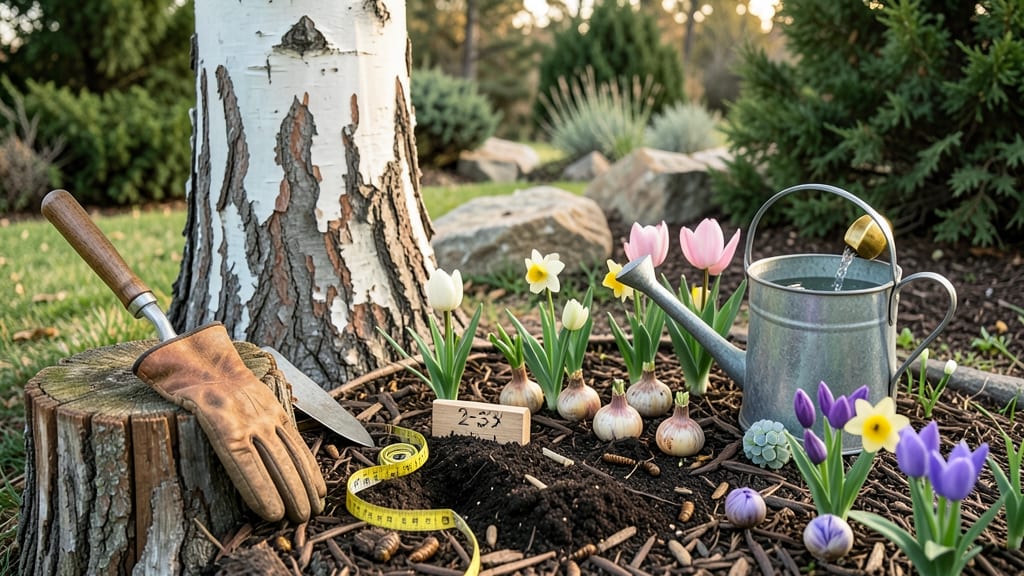
Timing is everything when it comes to planting bulbs in Utah—get it wrong, and you might end up with frost-nipped blooms or missed spring color. The key to success lies in understanding your local microclimate, whether you're in the Wasatch Front, Salt Lake Valley, or southern desert regions.
With Utah's diverse USDA zones 5b-7a, you can't rely on a one-size-fits-all approach. Fall planting (September-November) is ideal for most bulbs, but high-altitude areas like Park City may need an earlier start, while St. George's desert heat might push timing later.
The goal? Plant bulbs 6-8 weeks before the first frost—usually by mid-October—to give them time to root before winter sets in.
Don't let Utah's unpredictable weather throw you off—this guide breaks down exactly when to plant for your specific zone, plus soil prep tips and watering strategies tailored to Utah's unique conditions. You'll learn how to beat frost, avoid drought stress, and ensure your garden bursts into color come spring.
Whether you're a seasoned gardener or just starting, getting the timing right means the difference between a disappointing patch of dirt and a showstopping spring display. Let's get those bulbs in the ground the right way.
Utah’s bulb planting calendar by Zone 5-7 microclimates
Utah’s diverse elevations and microclimates create unique challenges for bulb planting. The Wasatch Front (Zone 6) and Salt Lake Valley have different frost dates than southern Utah (Zone 7) or high-altitude areas (Zone 5). Understanding these variations ensures your tulips, daffodils, and crocuses bloom on time every year.
Most gardeners focus on fall planting (September–November) for spring blooms, but early spring planting (March–April) also works for hardy varieties. The key is planting 6–8 weeks before the first frost, which typically hits mid-October in Zone 6 and late October in Zone 7.
In Zone 5 (e.g., Park City), aim for early September to avoid early freezes.
Soil temperature is just as critical as calendar dates. Bulbs need 60°F soil for root growth but can’t tolerate freezing temperatures. Use a soil thermometer to confirm readiness—plant when temps are consistently below 60°F at night but not yet frozen.
Here’s how Utah’s regions differ:
| Region | USDA Zone | Fall Planting Window | Spring Planting Window | Key Adjustments |
|---|---|---|---|---|
| Wasatch Front (Salt Lake City) | 6a-6b | Mid-Sept to early Nov | Early March to April | Plant dwarf varieties for earlier blooms; mulch heavily. |
| Southern Utah (St. George) | 7a-7b | Late Oct to Dec | Feb to early March | Use drought-tolerant bulbs; water deeply after planting. |
| High Altitude (Park City, Ogden) | 5b | Early Sept to mid-Oct | Late March to April | Choose late-blooming bulbs to avoid spring frosts. |
For spring planting, focus on hardy bulbs like daffodils and alliums, which tolerate cooler soils. Plant them in March once soil temps reach 50°F and stay above freezing. Avoid tulips for spring planting—they struggle in Utah’s alkaline soils and often rot.
Pro tip: Label your bulbs by variety and planting date. Utah’s unpredictable weather can shift bloom times by 2–3 weeks between years. Track which bulbs thrive in your microclimate to refine future plantings.
Watering strategies also vary by region. In Zone 6 (Wasatch Front), water deeply after planting and reduce in winter. In Zone 7 (southern Utah), bulbs need consistent moisture until roots establish (about 4–6 weeks). Use drip irrigation to avoid fungal issues from overhead watering.
Finally, mulch after planting to regulate soil temps. In Zone 5, use 4–6 inches of straw to insulate bulbs. In Zone 7, light mulch (2 inches) prevents soil from drying out too quickly. Remove mulch in early spring to encourage bloom.
With these adjustments, your Utah garden can burst into color from March through June, regardless of elevation or microclimate. 🌷
5 Critical factors that determine your exact planting time in Utah
Utah’s microclimates can shift bulb planting windows by weeks—even between neighboring towns. The 5 critical factors below override general zone guidelines, helping you pinpoint the perfect moment for your location.
Start by checking your elevation: every 1,000 feet up delays frost by about 5-7 days, while desert areas like St. George may need later plantings.
First, test your soil temperature—bulbs need 60°F soil to root properly. Use a soil thermometer or the "finger test": if the ground feels cool but not frozen, it’s ready. In Zone 5b (northern Utah), aim for mid-September plantings, while Zone 7a (southern Utah) can wait until late October.
Your water source matters too. Bulbs planted in dry soil struggle to establish roots. If you’re in arid southern Utah, prioritize bulbs near drip irrigation or mulch heavily to retain moisture. In high-altitude areas like Park City, snowmelt provides natural watering, so plant earlier to avoid spring drought stress.
Next, account for local frost patterns. Use the National Weather Service’s frost prediction tools for your specific town—Salt Lake City’s average first frost is October 15, but microclimates can vary by weeks.
For example, Ogden (Zone 6a) typically freezes by October 10, while Provo may hold off until October 20.
Don’t overlook soil type. Utah’s alkaline soils drain quickly, so amend with compost or bulb-specific fertilizer before planting. Sandy soils dry out faster, requiring earlier plantings (aim for August-September), while clay soils can be planted later (October-November) since they retain moisture longer.
Finally, adjust for bulb type. Tulips and daffodils thrive when planted 6-8 weeks before frost, but hyacinths and crocuses—hardier varieties—can handle later plantings (October-November). For spring bulbs, plant in March-April after the last frost, but choose varieties like grape hyacinths that tolerate light frosts.
Pro tip: Mark your planting calendar with local events like Utah’s first snowfall—a sure sign to finish bulb plantings. With these factors in mind, you’ll avoid the #1 mistake Utah gardeners make: planting too late and risking frost damage.