
Plants
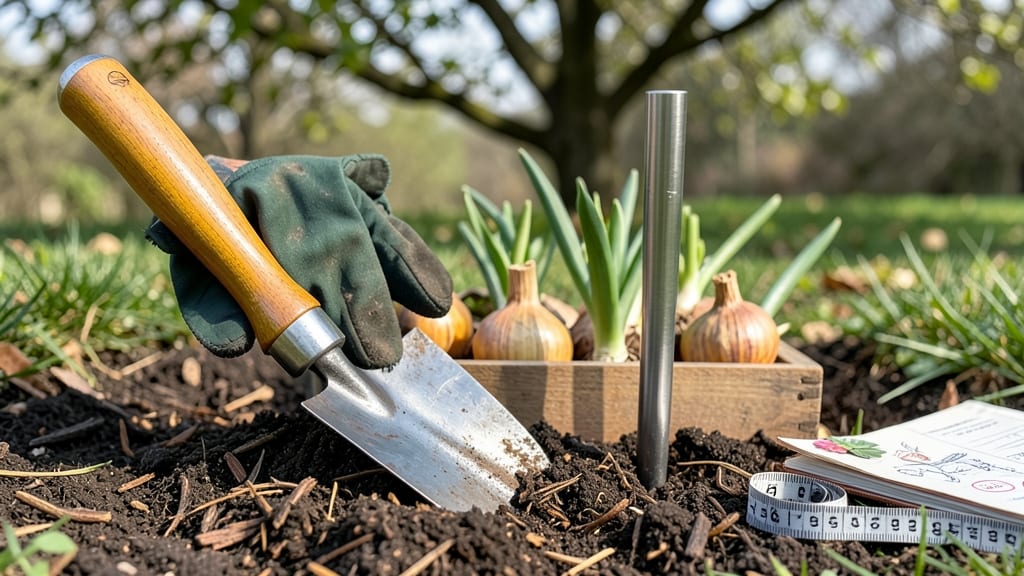
Planting your spring flowering bulbs 🌷 at the wrong time in Minnesota can mean the difference between a stunning garden and a total flop.
The key isn't just throwing them in the ground—it's understanding exactly when to plant them so they thrive through our harsh winters and burst into bloom come spring.
With Minnesota's 3b-5a climate, you've got a narrow window to get bulbs in the ground before the frost hits. Too early, and they'll rot; too late, and they won't establish roots.
I'll walk you through the precise week-by-week schedule that works for both fall and spring planting, so you can avoid common mistakes and get those tulips and daffodils popping up right on schedule.
Whether you're in the Twin Cities or up north near Duluth, the right timing makes all the difference. We'll cover soil prep, frost dates, and even which bulbs handle Minnesota's short growing season best. Let's make sure your garden gets the show-stopping blooms you're dreaming of.
Ready to transform your yard? Grab your gloves, and let's dive into the exact strategy that'll have your bulbs looking their best year after year—no guesswork required.
Minnesota planting zones & best bulbs for each zone
Minnesota’s USDA zones 3b-5a create unique challenges for bulb planting, thanks to our short growing seasons and early frosts. Understanding your specific zone helps you choose the right bulb varieties and planting windows to ensure vibrant spring blooms. Let’s break down the best options for each zone.
In Zone 3b (northern Minnesota), where winters are harsh and frost arrives by mid-October, focus on hardy bulbs like daffodils and alliums, which thrive in colder climates. These varieties tolerate extended dormancy and freeze-thaw cycles better than delicate tulips.
For Zone 4a-5a (southern and central Minnesota), you have more flexibility with tulips, hyacinths, and crocuses. These zones benefit from slightly longer frost-free periods (up to 150 days), allowing for earlier planting and a wider variety of bulbs.
Soil preparation is critical in all zones. Test your soil’s drainage and pH (6.0-7.0 ideal). Amend heavy clay soils with compost or sand to prevent waterlogging, which can rot bulbs before winter.
Here’s a quick reference for soil prep by zone: In Zone 3b, add extra organic matter to insulate bulbs from extreme cold. In Zones 4-5, focus on well-draining soil to avoid spring thaw issues.
Now, let’s dive into the best bulbs for each zone and their planting deadlines to maximize your garden’s potential.
🌱 Minnesota Bulb Planting Guide by Zone
| Zone | Best Bulbs | Planting Window | Key Notes |
|---|---|---|---|
| 3b | Daffodils, Alliums, Snowdrops | Late August–early September | Hardy; plant 6-8 inches deep for insulation. |
| 4a | Tulips, Hyacinths, Crocuses | Mid-September–early October | Plant 4-6 weeks before frost; avoid late varieties. |
| 5a | Alliums, Fritillaries, Late Tulips | Late September–mid-October | Longer window; prioritize drought-tolerant varieties. |
💡 Pro Tip: Use mulch (3-4 inches) after planting to protect bulbs from temperature swings.
If you’re in Zone 3b, stick to early-blooming bulbs like crocuses and snowdrops, which emerge before snow melts. These varieties are frost-resistant and low-maintenance, perfect for Minnesota’s early springs.
For Zones 4-5, consider layered planting: Place tall bulbs (tulips) at the back of borders and shorter varieties (daffodils) in front. This creates a stunning cascading effect as they bloom in succession from early spring to late spring.
Don’t forget to label your bulbs at planting time! Minnesota’s unpredictable weather can make it hard to remember what’s where. Use biodegradable markers or a simple garden sketch to track your planting layout.
Now that you’ve matched your zone to the best bulbs, let’s move on to the exact week-by-week planting schedule to ensure your bulbs thrive in Minnesota’s climate.
Exact week-by-week planting schedule by bulb type
Minnesota’s short growing season means your week-by-week planting schedule must align with frost dates. Most spring-flowering bulbs (like tulips and daffodils) need to be planted in fall—6 to 8 weeks before the ground freezes.
For USDA zones 3b-5a, that’s typically between mid-September and mid-October, depending on your location.
If you miss the fall window, don’t panic—you can still plant bulbs in early spring (March–April) as soon as the soil is workable. Just expect slightly smaller blooms the first year. Below, I’ve broken down the critical deadlines for both fall and spring planting, so you never miss a beat.
- Week 1 (Late August–Early September): Prepare soil by amending with compost and ensuring drainage. This is your last chance to plant late-blooming bulbs like hyacinths.
- Week 2–3 (Mid-September): Plant tulips and daffodils in USDA zone 4–5a (northern MN). Aim for 6–8 inches deep and 6 inches apart for optimal spacing.
- Week 4 (Late September): Southern MN (zone 3b–4a) should finish planting by mid-October. Add a 2-inch mulch layer to protect bulbs from freeze-thaw cycles.
- Week 5 (Early October): Critical deadline for most bulbs. If frost hits before planting, cover soil with straw mulch to insulate until spring.
- Week 1 (Early March): Wait until soil is workable (40°F+). Plant dwarf varieties first—they tolerate cooler soil better.
- Week 2–3 (Mid-March): Focus on hardy bulbs like crocuses and snowdrops. Water lightly after planting to settle soil.
- Week 4 (Late March–April): Last chance for spring planting. Avoid planting after April 15—late blooms risk frost damage.
Pro tip: Use a soil thermometer to check if the ground is below 40°F—that’s your cue to stop planting for the season. In northern MN, aim to finish by September 15, while southern regions can extend until October 10.
For fall-blooming bulbs (like crocuses and alliums), plant in late summer (August)—they need 6–8 weeks of warm soil before winter. These bulbs thrive in USDA zone 3b and are perfect for early spring color.
Remember: Depth matters. Plant bulbs 3x their height deep—tulips (6 inches deep) and daffodils (8 inches deep) need extra insulation. Use a bulb planter for precision, especially in rocky Minnesota soil.