
Plants
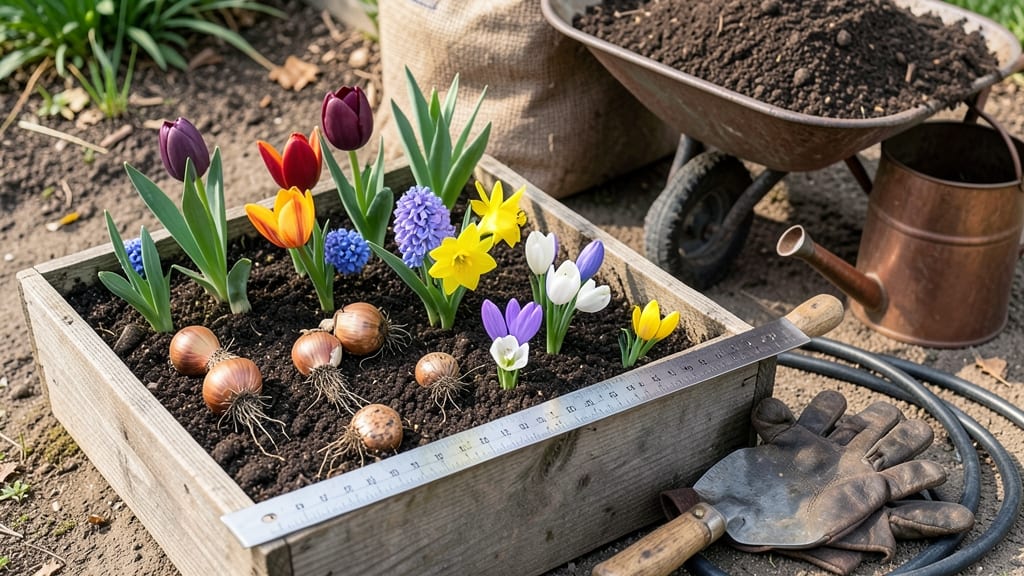
If you’ve ever wondered when to plant bulbs in Arizona without them wilting in the desert heat, the answer isn’t as tricky as you’d think.
The key lies in timing—fall is your golden window, when cooler temps give bulbs like 🌱 daffodils and tulips a fighting chance to root before summer’s brutal sun.
Most Arizona gardeners plant between October and December, but the exact timing depends on your microclimate. In Phoenix’s low desert, aim for early October, while high-desert areas can wait until November.
The goal? Get those bulbs in the ground 6–8 weeks before frost—though frost is rare in Zone 9b, timing still matters for dormancy.
Why does this work? Bulbs need cool soil to establish roots, and Arizona’s fall offers that perfect balance. Plus, planting now means you’ll be rewarded with vibrant spring blooms—without the stress of summer watering battles.
Let’s break down the best bulbs for your yard and how to prep your soil for success.
Skipping the right timing can mean sad, sparse blooms—or worse, bulbs that never return. But with the right approach, you’ll have a garden that thrives despite the heat. Ready to dig in?
Best months to plant bulbs in Arizona’s climate zones
Arizona’s diverse microclimates mean planting times vary dramatically between the Low Desert (Phoenix, Tucson) and High Desert (Flagstaff, Prescott). While most bulbs thrive when planted in fall, timing depends on your elevation and frost risk.
In USDA Zone 9b, frost is rare, but cooler temperatures trigger bulb growth—aim for October through December for optimal results.
For Low Desert gardeners, where winter temps rarely drop below 40°F, focus on October and November planting. This gives bulbs time to establish roots before summer heat arrives.
In contrast, High Desert areas (above 5,000 feet) can experience light frosts, so plant September through October to avoid winter dormancy issues.
Spring-blooming bulbs like daffodils and tulips need 6–8 weeks of cool weather to root before flowering. Fall-planted bulbs in the Low Desert often bloom in late winter or early spring, while High Desert bulbs may wait until March or April due to cooler temps.
| Zone & Elevation | Best Planting Window | Key Trigger | Bloom Time |
|---|---|---|---|
| Low Desert (<3,000 ft) | October–November | Soil temps <65°F | February–April |
| High Desert (5,000–7,000 ft) | September–October | First frost risk | March–May |
| Mountain Regions (>7,000 ft) | August–September | Cooler nights | April–June |
If you miss the fall window, some bulbs—like rain lilies—can be planted in January for spring blooms. However, avoid planting in summer, as the 100°F+ heat stresses bulbs before they can root. Always check your local frost dates (even in Zone 9b) and adjust accordingly.
For container gardening, follow the same timing but use well-draining potting mix with added perlite. Containers heat up faster, so place pots in partial shade during peak summer months to protect bulbs. Water containers every 5–7 days once planted, as they dry out quicker than in-ground soil.
Pro tip: Plant bulbs in clusters (3–5 together) for a fuller, more natural look. Space them 3–6 inches apart, depending on the bulb type, to allow airflow and reduce fungal risks. Use a hand trowel to dig holes 2–3 times deeper than the bulb’s height for optimal root growth.
In Arizona’s drought-prone soil, amend planting holes with compost or coconut coir to improve moisture retention. Mulch with 2–3 inches of organic mulch (like straw or wood chips) after planting to conserve water and regulate soil temperature.
This step is critical in the Low Desert, where evaporation rates are high.
Remember: Bulbs need time to root before summer heat. If you plant too late (e.g., December in the Low Desert), bulbs may struggle to establish before the April heatwave. For high-altitude areas, prioritize cold-hardy varieties like alliums or fritillarias, which tolerate brief frosts.
Test your soil’s drainage before planting—bulbs rot in soggy conditions. Dig a 6-inch hole, fill it with water, and time how long it takes to drain. If water lingers past 30 minutes, amend the soil with sand or gravel for better aeration.
With the right timing and care, your Arizona garden can burst with colorful blooms from winter through spring—proving that even in the desert, bulbs can thrive with a little strategy. Start planning your fall planting schedule now to beat the rush and secure the best bulb selection!
Best months to plant bulbs in Arizona’s climate zones
Arizona’s climate varies dramatically from the Low Desert (Phoenix, Tucson) to the High Desert (Flagstaff, Sedona). This means your planting window depends on elevation and frost risk.
In most of Arizona, fall planting (October–December) is ideal for bulbs like daffodils and tulips, while high-desert areas can extend planting into early January.
For spring-blooming bulbs, aim to plant 6–8 weeks before the first frost—though frost is rare in the Low Desert.
In cooler high-desert zones, bulbs need time to root before winter’s chill sets in. Fall-blooming bulbs (like amaryllis) can be planted as late as December, but avoid planting in extreme heat.
🌱 Arizona Bulb Planting Guide by Zone
| Zone | Best Planting Months | Bulb Types | Soil Prep Tip |
|---|---|---|---|
| Low Desert (Phoenix, Tucson) | October–November | Daffodils, Tulips, Rain Lilies | Amend with compost; ensure drainage |
| High Desert (Flagstaff, Sedona) | September–January | Crocus, Hyacinth, Allium | Add mulch to protect from frost |
| All Zones (Containers) | October–December | Amaryllis, Paperwhites | Use well-draining potting mix |
In the Low Desert, soil temperatures stay warm well into November, so plant bulbs deeply (6–8 inches) to protect them from summer heat.
In the High Desert, where frost is possible, plant shallow (4–6 inches) and cover with mulch. Drought-resistant bulbs like rain lilies thrive with minimal water once established.
Timing is critical for bloom success. Plant too early, and bulbs may sprout before winter; too late, and they won’t root before summer’s heat. Aim for cool soil temps (60–70°F)—ideal for root growth. Use a soil thermometer to check before planting.
Pro tip: Pre-soak bulbs in water for 1–2 hours before planting to jumpstart root growth. This is especially helpful in Arizona’s dry climate. Pair bulbs with mulch (2–3 inches) to retain moisture and regulate soil temperature.
For container gardening, plant bulbs in October–November and place pots in a sheltered spot. Move containers to a shady area during peak summer heat to prevent bulb rot. With the right timing, your bulbs will reward you with vibrant blooms that brighten Arizona’s desert landscape.