
Plants
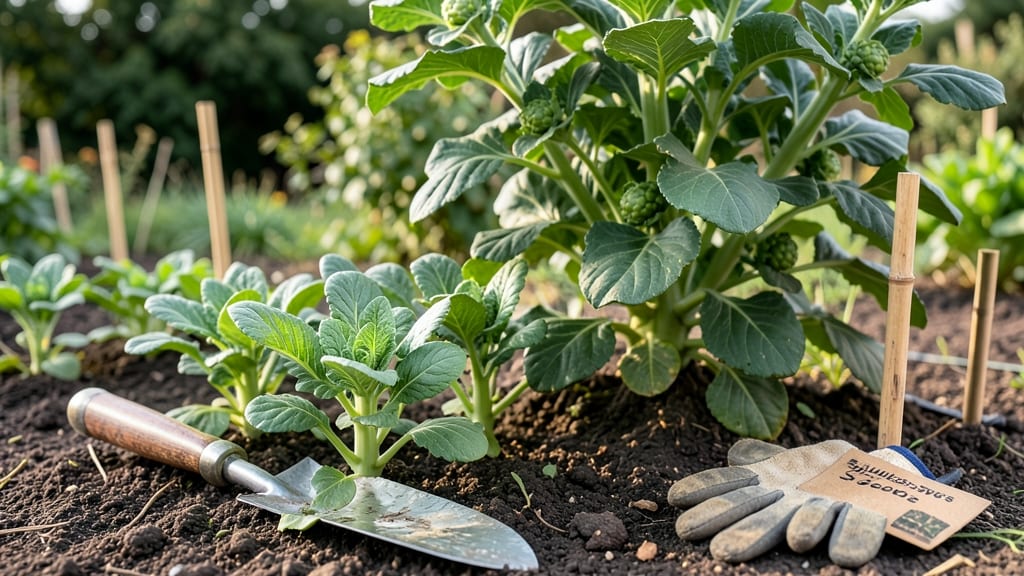
Planting Brussel sprouts 🥦 in Wisconsin isn’t just about timing—it’s about beating the frost before it beats you. Get the schedule wrong, and you’ll either watch your seedlings freeze or miss out on the sweet, cool-weather flavor these veggies are famous for.
The key? Knowing exactly when to plant for your USDA zone, whether you’re in the cooler north or milder southern regions.
Wisconsin’s spring and fall planting windows are your best shot at a bountiful harvest, but they’re narrow—miss them, and you’re stuck with bitter sprouts or no harvest at all.
I’ll break down the exact frost-free timeline for zones 4b-6a, so you can plant with confidence, whether you’re direct-sowing or transplanting those cold-hardy varieties.
You’ll also discover how to extend your growing season with simple tricks like row covers and staggered plantings. No more guessing—just a foolproof plan to turn your Wisconsin garden into a brussel sprout powerhouse, even when Old Man Winter starts breathing down your neck.
Ready to grow sweet, flavorful sprouts that’ll make your neighbors jealous? Let’s dive into the perfect planting schedule and avoid the mistakes that leave most Wisconsin gardeners scratching their heads in October.
Wisconsin’s ideal planting windows for brussel sprouts by USDA zone
Brussel sprouts thrive in Wisconsin’s cool climate, but timing is everything. USDA zones 3-5 experience last frost dates from mid-April to early May, while first frosts arrive between mid-October and early November.
To avoid bolting or frost damage, align your planting with these critical windows—spring or fall—while accounting for soil warmth and local microclimates.
For spring planting, aim to transplant seedlings 4-6 weeks before your area’s last frost date. In zone 3, this means mid-April to early May, while zone 5 gardeners can start as late as late May.
Direct sowing is less common but works if you start seeds indoors 6-8 weeks earlier and harden them off before transplanting.
Fall planting is often more reliable in Wisconsin. Start seeds 8-10 weeks before the first frost, which translates to early July for zone 3 and mid-August for zone 5.
This ensures sprouts mature before winter sets in, sweetening with frost. Soil temperature must stay above 45°F (7°C) for germination—wait for warmth to avoid slow starts.
Microclimates matter! Areas near Lake Geneva or urban heat islands may have 2-3 weeks earlier frost-free periods than rural zones. Use a frost calendar from your local UW Extension office or Almanac to fine-tune dates.
For example, Milwaukee (zone 5) can push fall planting to early September, while Duluth (zone 3) should stop by mid-August.
Here’s how to compare planting strategies across Wisconsin’s zones:
| Zone | Spring Planting Window | Fall Planting Window | Soil Temp Requirement | Notes |
|---|---|---|---|---|
| 3 | Mid-April to early May | Early July to mid-August | 45°F (7°C) | Use row covers for early starts |
| 4 | Late April to early June | Late July to early September | 45°F (7°C) | Best for succession planting |
| 5 | Early May to late June | Mid-August to early September | 45°F (7°C) | Longer harvest window possible |
For direct sowing, plant seeds ½ inch deep and 2 inches apart, thinning to 18-24 inches between mature plants. Cold-hardy varieties like ‘Long Island Improved’ or ‘Ruby Ball’ perform best in Wisconsin’s short season. Amend soil with compost to improve drainage—brussel sprouts hate soggy roots.
Pro tip: Test your soil’s pH (6.0-7.0) before planting. Wisconsin’s clay-heavy soils often need gypsum or sulfur to adjust pH. Add aged manure or compost 2-3 weeks before planting to boost nutrients. Mulch with straw after transplanting to retain moisture and suppress weeds.
If you’re new to brussel sprouts, start with 3-5 plants to test your zone’s suitability. Even with perfect timing, pests like cabbage worms or disease pressure can reduce yields. Rotate crops annually to prevent soil-borne issues like blackleg fungus, common in Wisconsin’s humid summers.
Remember: Fall-planted sprouts taste sweeter after frost, but spring harvests may need row covers to protect tender sprouts. Plan ahead—your October-December harvest depends on it! 🥦
How to extend your harvest season: succession planting and frost protection tips
Wisconsin’s short growing season can feel like a race against time, but with the right strategies, you can stretch your brussel sprout harvest from October all the way into December.
The trick? Succession planting and smart frost protection—two techniques that turn your garden’s limitations into opportunities for a longer, sweeter harvest.
Start by planting two batches of sprouts: one in mid-April to late May and another in early July to mid-August. This staggered approach ensures you’re always harvesting fresh sprouts, even if the first frost hits early.
For example, a July planting in USDA Zone 4b might yield harvests in late October, while an August planting in Zone 5 could keep producing until November.
Here’s the secret weapon: row covers and cold frames. A lightweight row cover (like floating row cloth) can protect your plants from light frosts down to 25°F, while a cold frame adds 10-15°F of warmth, extending your harvest window even further.
Even a simple black plastic mulch can keep soil temperatures stable and protect young plants from sudden cold snaps.
Key Takeaway: Extend Your Harvest with These Pro Tips
Plant every 3-4 weeks from April to August for continuous harvests.
Protects down to 25°F; remove during the day for pollination.
Adds 10-15°F warmth; ideal for late-season harvests.
Plant with bush beans or lettuce to maximize space and deter pests.
Use straw or leaves to insulate roots and retain moisture.
Pick from bottom to top to encourage new growth.
Don’t overlook companion planting—it’s a game-changer for space and pest control. Pair your brussel sprouts with bush beans or lettuce to make the most of your garden beds. Beans fix nitrogen in the soil, while lettuce shades the ground, keeping it cool and moist.
Plus, the strong scent of companion plants like marigolds can deter cabbage moths, a common pest for brussel sprouts.
If you’re worried about early frosts cutting your harvest short, consider planting a fast-maturing variety like ‘Long Island Improved’ (ready in 80-90 days) or ‘Jade Cross’ (90 days). These varieties are cold-tolerant and can handle Wisconsin’s unpredictable weather better than slower-growing types.
Just be sure to harvest before the first hard frost—even cold-hardy sprouts won’t last forever in a deep freeze.
With these strategies, you’ll turn Wisconsin’s chilly climate into your brussel sprout advantage, enjoying fresh, homegrown veggies long after your neighbors have given up for the season.
The key is planning ahead—so grab your calendar, mark those planting dates, and get ready for a harvest that’ll last well into winter! 🌱