
Plants
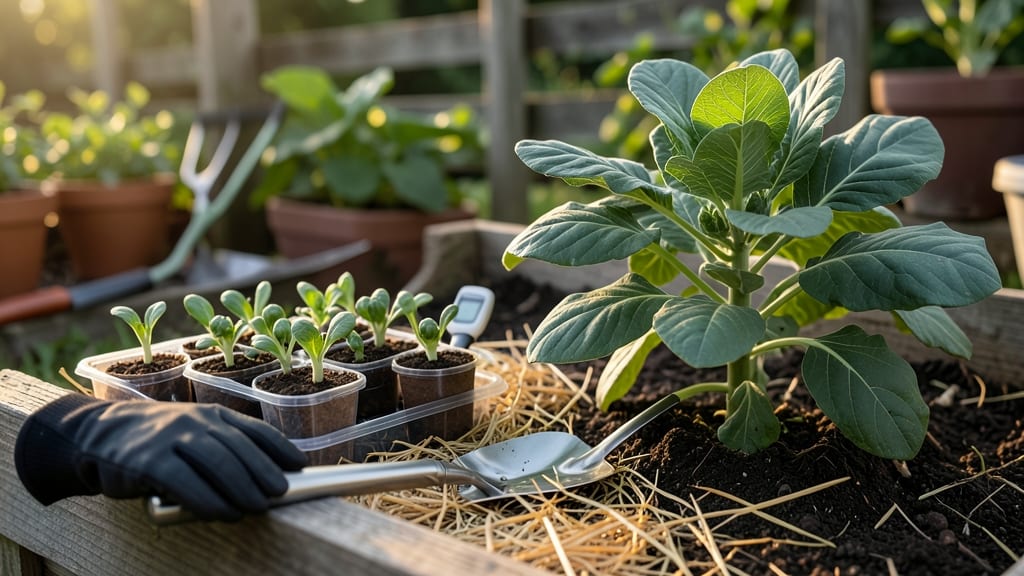
If you're dreaming of harvesting crisp, flavorful 🥦 Brussel sprouts in Louisiana, timing is everything—and getting it wrong could mean wilted plants before they even mature. The state's brutal summer heat and short cool season demand precision, but with the right approach, you can still enjoy a bountiful harvest.
Most gardeners assume Brussel sprouts need cool weather, but Louisiana's climate flips that script. Plant too early, and the heat will bolt your plants before they develop; too late, and frost will cut your season short.
The sweet spot? A carefully timed window between late summer and early fall when temperatures start to dip.
I'll walk you through the exact dates for Louisiana's 8a-9b zones, how to pick heat-tolerant varieties, and pro tips to beat the humidity. Whether you're a seasoned gardener or a first-timer, these strategies will help you grow Brussel sprouts that thrive despite the challenges.
From seed starting to transplanting, we'll cover every step to maximize your harvest window—because in Louisiana, timing isn't just important, it's the difference between success and disappointment. Let's get those sprouts growing!
Best planting windows for Brussels sprouts in Louisiana’s climate zones
Louisiana’s hot, humid summers and short cool season demand precise timing for Brussels sprouts. Unlike northern climates, you can’t just plant in spring—you must focus on late summer and fall windows to avoid heat stress and premature bolting.
The key is planting 8–10 weeks before your first frost (typically mid-November), but exact dates vary by Louisiana’s three USDA zones.
Northern Louisiana (Zone 8a, e.g., Shreveport) has a longer cool season than the south, giving you an extra 2–3 weeks to plant.
Central Louisiana (Zone 8b, e.g., Baton Rouge) sits in the sweet spot, while Southern Louisiana (Zone 9a, e.g., New Orleans) requires earlier planting to escape summer heat. Miss these windows, and your sprouts will bolt (flower prematurely) or wilt in the heat.
Here’s how to align your planting with Louisiana’s microclimates for maximum success:
For Southern Louisiana’s Zone 9a, the June–July window is critical—planting later risks 90°F+ temperatures, which stunt growth. Start seeds indoors in May and transplant by July 15 to avoid heat shock.
In Central and Northern LA, you can also try a winter crop (plant September–October) for a spring harvest, but yields are smaller.
If you’re starting seeds indoors, begin 6–8 weeks before transplanting (e.g., May 15–June 1 for Southern LA). Use grow lights or a sunny windowsill—Brussels sprouts need 12+ hours of light daily to avoid leggy seedlings. Harden off seedlings for 7–10 days before transplanting to prevent shock.
Soil temperature is just as critical as air temperature. Brussels sprouts thrive in 60–70°F soil—any hotter, and roots struggle. Test your soil’s temperature with a thermometer before planting.
If it’s above 80°F, wait or use shade cloth (30–50%) to protect young plants. Mulch with straw or wood chips to keep roots cool and moist.
Don’t overlook succession planting! In Louisiana’s short season, you can squeeze in two harvests: one in fall and another in early spring. For a spring crop, plant transplants in late September (Northern LA) or early October (Southern LA).
These sprouts will mature by February–March, just as summer heat ramps up again.
Finally, monitor humidity—Louisiana’s sticky air accelerates disease risk. Space plants 18–24 inches apart for airflow and avoid overhead watering. If downy mildew appears (gray fuzzy spots), treat with neem oil or copper fungicide immediately. With the right timing, your Brussels sprouts will thrive despite the heat!
Best planting windows for Brussels sprouts in Louisiana’s climate zones
Louisiana’s 8a-9b climate zones create unique challenges for growing Brussel sprouts, but understanding your specific zone is the first step to success. The North (Zone 8a) has slightly cooler winters, while the South (Zone 9a) faces earlier heat and longer growing seasons.
Even the Central (Zone 8b) must balance humidity and temperature shifts carefully.
For all zones, the ideal planting window is between late July and early September. This timing ensures your plants mature before the first frost—typically mid-November in the North and early November in the South.
Planting too early risks heat stress, while planting too late may leave your sprouts underdeveloped by frost.
Here’s how to adapt your planting schedule based on your location in Louisiana:
| Zone | Best Planting Window | Transplant Outdoors | Harvest Window | Key Challenge |
|---|---|---|---|---|
| 8a (North: Shreveport, Natchitoches) | Late July – Early August | Mid-August – Early September | November – Mid-December | Early frost risk |
| 8b (Central: Baton Rouge, Lafayette) | Early August – Mid-September | Late August – Early October | October – January | Humidity and heat stress |
| 9a (South: New Orleans, Lake Charles) | Mid-August – Late September | Late September – Early November | November – January | Extended heat exposure |
If you miss the primary window, don’t despair—winter planting is possible in Louisiana’s cooler zones (8a-8b). Start seeds indoors in October and transplant in November for a spring harvest. However, this method requires extra care to protect young plants from freezing temperatures and soil moisture fluctuations.
For Zone 9a, consider a shade cloth during peak summer months (June–July) if you’re experimenting with early plantings. This can buy you an extra 2–3 weeks of viable growth before the heat becomes lethal.
Just remember: Brussel sprouts still need 6–8 hours of sunlight daily, so partial shade is key.
Pro tip: Use a frost calendar for your specific Louisiana county—local extensions offices often provide updated frost dates. This small step can save your entire crop from a premature freeze or heat-induced bolting.