
Plants
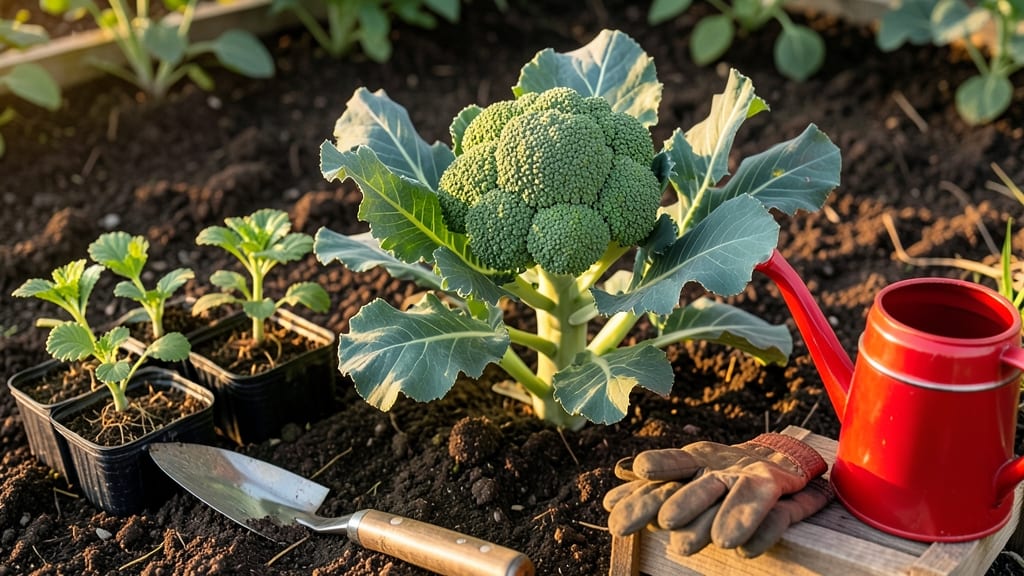
When to plant broccoli in Zone 6b determines whether you'll enjoy a bountiful harvest or struggle with bitter, stunted heads—because timing is everything for this cool-weather crop.
In Zone 6b, where last frosts linger around mid-April and first frosts arrive by mid-October, broccoli thrives when planted just right. Miss the window, and you risk bolting (flowering too soon) or slow growth from summer heat.
The key? Start seeds indoors 4-6 weeks before your last frost or transplant hardened-off seedlings in early spring or late summer.
What you’ll discover here are the exact dates for spring and fall planting, plus how to adjust for your local microclimate—whether you're in the Piedmont's warmer pockets or the Appalachian foothills' cooler valleys. No more guessing games, just proven strategies for bigger, sweeter heads.
Ready to turn your garden into a broccoli powerhouse? Let’s break down the perfect planting schedule so you can enjoy fresh, homegrown 🥦 from late spring through fall.

Zone 6B broccoli planting calendar: exact dates for spring and fall success
Zone 6B gardeners know timing is everything—especially for cool-season crops like broccoli. The last spring frost typically hits around April 15, but your exact window depends on microclimates. For example, Piedmont regions often warm up faster than Appalachian valleys.
Plant too early, and seedlings bolt; too late, and you’ll miss the peak harvest window before summer heat sets in.
Broccoli thrives when soil temps stay between 45°F and 80°F. In Zone 6B, this means starting seeds indoors 4-6 weeks before your last frost (around March 1-15) or transplanting hardened-off seedlings 2-3 weeks before April 15.
Fall plantings should begin 8-10 weeks before October 15 (early September) for a second harvest before winter.
📅 Zone 6B Broccoli Planting Timeline
| Stage | Action | Notes |
|---|---|---|
| Spring Planting | Start seeds indoors: March 1-15 | Use grow lights; transplant outdoors 2-3 weeks before last frost |
| Spring Transplant | Hardy seedlings outdoors: April 1-15 | Space 18-24 inches apart; mulch to retain moisture |
| Fall Planting | Start seeds indoors: August 1-15 | Choose fast-maturing varieties (50-60 days to harvest) |
| Fall Transplant | Transplant outdoors: September 1-15 | Harvest before first frost (Oct 15); protect with row covers if needed |
For heading broccoli (like 'Waltham 29'), aim for a 70-day harvest after transplanting.
This means your spring crop should be ready by late May to early June, while fall plantings yield in October. Sprouting broccoli (like 'Calabrese') is more forgiving—plant it 30-40 days before first frost for a late-season harvest even if heads bolt slightly.
Zone 6B’s unpredictable spring weather can throw off your schedule. If late frosts linger (like in 2021’s April snow events), opt for cold-hardy varieties or use floating row covers to protect seedlings.
Similarly, early fall warmth might push your planting window to late August—always check your local Almanac frost dates for precision.
Pro tip: Use succession planting every 2 weeks in spring to stagger harvests. For example, plant one batch on March 15, another on April 1, and a final batch on April 15.
This ensures you’re harvesting broccoli from late May through June—just as summer pests like cabbage worms become more aggressive.
Soil preparation is just as critical as timing. Amend your beds with compost-rich soil (pH 6.0-7.0) and add a balanced fertilizer (5-10-10) at planting. Broccoli is a heavy feeder, so side-dress with compost 4-6 weeks after transplanting to support head development.
Remember: Broccoli bolts (goes to seed) when stressed by heat or drought. In Zone 6B, this typically happens by mid-June. To extend your season, choose shade-tolerant varieties or provide afternoon shade with garden fabric during peak summer months.
With these exact dates and adjustments, you’ll avoid the bitter, woody heads that result from poor timing. Instead, enjoy crisp, flavorful broccoli straight from your Zone 6B garden—twice a year! 🥦
How to adjust planting dates for broccoli in Zone 6B’s unpredictable climate
Zone 6B’s unpredictable weather can throw off even the best-laid broccoli planting plans—late frosts in April or early heatwaves in May demand flexibility. The key is adjusting your timeline based on soil temperatures and microclimates, whether you’re in the Piedmont’s warmer valleys or the Appalachian foothills’ cooler pockets.
Start by checking soil temperatures—broccoli seeds need 40-50°F to germinate, while seedlings thrive in 60-70°F soil. Use a soil thermometer or wait until mid-April for spring planting, even if frost warnings linger. For fall crops, aim for late August to avoid summer bolting.
If a late frost hits after your transplant date, don’t panic. Cover seedlings with frost cloth or row covers until temperatures stabilize. In warmer microclimates, opt for fast-maturing varieties like ‘De Cicco’ (45 days) to harvest before summer heat sets in.
🌱 Pro Tip: Succession plant every 2-3 weeks in spring and fall to extend your harvest. For example, plant one batch in early April, another in mid-April, and a final batch in late August for a staggered yield.
- Spring: Start seeds indoors by March 1 (4-6 weeks before last frost) or transplant hardened seedlings by April 15.
- Fall: Sow seeds August 1-15 for harvest before first frost (October 15).
- Late Frost? Use row covers or wait until soil warms to 50°F.
- Early Heat? Choose shade-tolerant varieties like ‘Waltham 29’ or plant in partial shade.
- Succession Plant: Add new batches every 2-3 weeks for continuous harvests.
For Appalachian microclimates, plant 1-2 weeks later than Piedmont areas, as cooler nights delay soil warming. Monitor local weather forecasts and adjust your schedule—flexibility is your best tool against Zone 6B’s whims.
Finally, keep an eye on moisture levels during adjustments. Broccoli needs consistent watering (1-1.5 inches per week) to prevent bolting, especially when transplanting or during temperature swings. Mulch with straw or grass clippings to stabilize soil temps and retain moisture.
With these tweaks, you’ll turn Zone 6B’s unpredictable climate into your broccoli’s advantage—yielding sweet, crisp heads from spring through fall. 🌿