
Plants
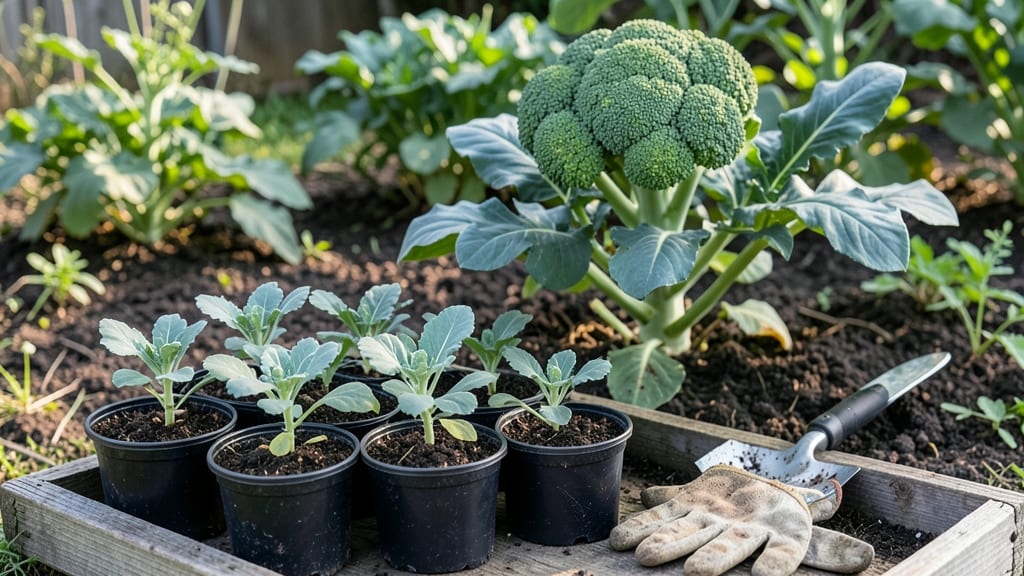
Timing your 🥦 broccoli planting in Seattle isn't just about following a calendar—it's about outsmarting the city's unpredictable frost cycles and microclimates that can turn your garden dreams into a soggy mess.
Whether you're a first-time gardener or a seasoned green thumb, getting those seeds in the ground at the wrong time means either watching them freeze or bolting before you can harvest a single head.
The key to success lies in Seattle's USDA Zone 8a climate, where last frosts typically hit around March 15 but can sneak in later in coastal areas like West Seattle.
I've learned the hard way that planting too early means frost damage, while waiting too long risks summer heat sending your broccoli straight to flower stalks before you get that perfect 60-day harvest window.
What you'll discover here are the exact planting windows that work for Seattle's two best seasons—early spring and late summer—plus the cold-hardy varieties that thrive when other plants give up.
We'll cover how to stretch your growing season with simple tricks that actually work, so you can enjoy homegrown broccoli from May through November without the guesswork.
Ready to grow broccoli that actually produces? Let's dive into the best timing strategies tailored specifically for Seattle's wet, cool climate, so you can enjoy that first crisp harvest before the first frost even thinks about paying a visit.
Seattle’s broccoli planting zones: exact frost-free dates by neighborhood
Seattle’s USDA Zone 8a/8b climate creates distinct planting windows for broccoli, where timing can mean the difference between a bountiful harvest and frost-damaged crops. The city’s last average frost date hovers around March 15, while the first frost typically arrives by November 15.
However, microclimates—like Ballard’s coastal winds or Capitol Hill’s urban heat islands—can shift these dates by 1-2 weeks.
For spring plantings, aim to transplant seedlings 2-4 weeks after your area’s last frost date. In West Seattle, this often means late March to early April, while Eastside neighborhoods like Bellevue may push it to mid-April.
Fall plantings should start 8-10 weeks before the first frost, landing in late August to early September for most of Seattle.
Here’s how to align your planting with Seattle’s neighborhood-specific frost averages and ideal transplant windows:
| Neighborhood | Last Frost Date | First Frost Date | Spring Plant Window | Fall Plant Window |
|---|---|---|---|---|
| Ballard/Green Lake | March 10-15 | November 5-10 | Late March-early April | Late August |
| Capitol Hill/University District | March 15-20 | November 10-15 | Mid-April | Early September |
| West Seattle | March 5-10 | October 30-November 5 | Late March | Late August |
| Eastside (Bellevue/Kirkland) | April 1-5 | November 15-20 | Mid-April | Early September |
When transplanting, ensure soil temperatures reach at least 40°F (4°C). Use a soil thermometer to verify—cold soil can stunt growth. For coastal areas like Ballard, where winds delay warming, opt for cold-hardy varieties like 'De Cicco' or 'Waltham 29' to extend your window.
For fall plantings, prioritize late August to early September to ensure heads mature before frost. In West Seattle, where coastal fog lingers, start seeds indoors in July for a head start. Always space plants 18-24 inches apart to allow airflow and reduce disease risk in Seattle’s damp climate.
Pro tip: Use row covers to push spring plantings 2-3 weeks earlier or extend fall harvests by 10-14 days. Remove covers during the day to prevent overheating and pests like cabbage moths, which thrive in Seattle’s mild summers.
Seattle’s 165 frost-free days are ideal for two broccoli crops per year—spring and fall—if you time it right. Miss the window, and you’ll face bolting (premature flowering) from heat stress or frost damage to tender heads. Plan accordingly!
Spring vs. fall broccoli planting: which season wins in Seattle’s climate?
Deciding between spring and fall planting for broccoli in Seattle can feel like a gamble—both seasons offer unique advantages, but local weather patterns make all the difference.
Spring plantings kick off early, but late frosts can delay growth, while fall crops avoid summer heat but race against early autumn rains. Let’s break down which season gives you the edge in Seattle’s unpredictable climate.
For spring plantings, aim to transplant seedlings between mid-March and early April, once soil temperatures hit 40°F (4°C). This timing aligns with Seattle’s last frost average of March 15, but microclimates—like West Seattle’s coastal winds—can push frost dates later.
Spring broccoli thrives in cooler temps, producing sweeter, tighter heads before summer’s heat triggers bolting (premature flowering).
Spring vs. Fall Broccoli Planting
✅ Pros:
- Cooler temps prevent bolting
- Longer daylight hours boost growth
- Fewer pests (cabbage worms peak in summer)
✅ Pros:
- Avoids summer heat stress
- Extended harvest window (Oct-Nov)
- Less competition from weeds
❌ Cons:
- Risk of late frost damage
- Slower growth in cloudy spring weather
- Shorter harvest window (May-June)
❌ Cons:
- Early rains can rot heads
- Shorter daylight slows maturity
- Higher slug/snail activity in damp soil
🌱 Beginners
🌱 Reliable yields
🌱 Extended harvests
🌱 Heat-sensitive varieties
Fall plantings, on the other hand, require August to early September sowing to ensure heads mature before first frost (November 15). This season avoids summer’s heat but demands quick growth—choose fast-maturing varieties like 'Calabrese' (58 days) or 'De Cicco' (60 days).
Fall crops often produce larger heads due to cooler temps, but slugs and snails thrive in Seattle’s damp autumn, requiring organic slug barriers or diatomaceous earth.
My top recommendation? Plant both seasons for a continuous harvest! Start with spring seedlings in March for an early crop, then follow up with fall seeds in August to stretch your season.
For urban gardeners, container growing works well—just ensure pots have drainage and use lightweight potting mix to prevent waterlogging during Seattle’s rainy spells.
Pro tip: If you’re new to broccoli growing, spring plantings are more forgiving. They give you a longer window to troubleshoot pests or adjust watering before harvest. But for bold flavors and bigger yields, fall’s cooler temps can’t be beat—just be ready to act fast when slugs strike!
🌱