
Plants
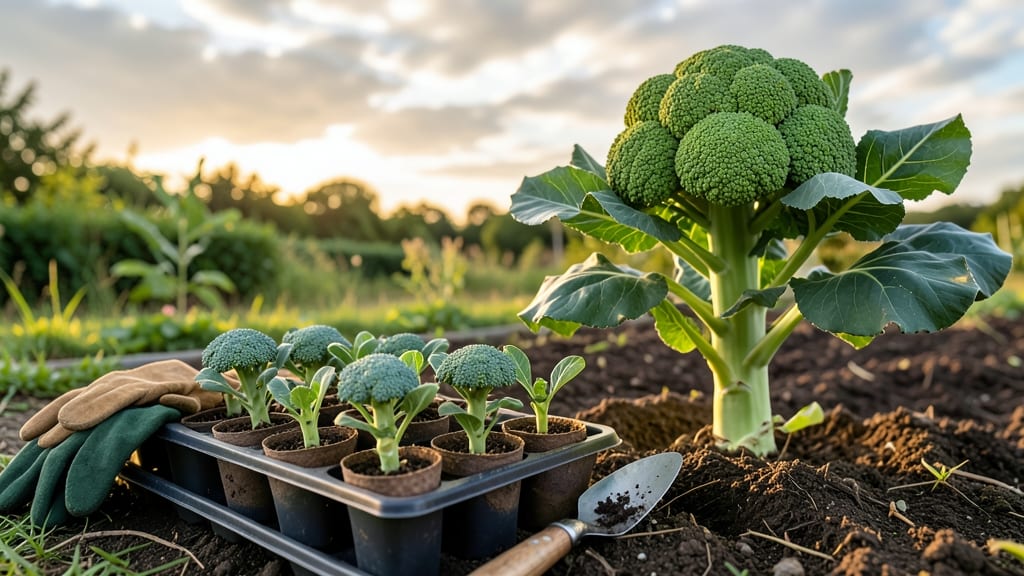
Timing your broccoli planting in Wisconsin right could mean the difference between a thriving garden and a sad, wilted 🥦—especially when those early frosts roll in. Wisconsin’s 4b-6a zones demand precision, but with the right strategy, you can grow hearty heads even when temperatures flirt with freezing.
Most gardeners know broccoli loves cool weather, but few realize Wisconsin’s two ideal planting windows—mid-April to early May for spring and late July to early August for fall—are your secret weapons. Miss these, and you’ll either face bolting broccoli or stunted growth from heat stress.
Here’s the game-changer: whether you’re starting seeds indoors or popping in transplants, we’ll break down exactly when to plant by region, which cold-hardy varieties survive Wisconsin’s whims, and how to stretch your harvest without frost damage. No more guessing—just flavorful, frost-resistant broccoli that’s ready to harvest by June or September.
Let’s get your garden on track for a bountiful harvest, even when Wisconsin’s weather tries to throw you a curveball. Ready to dig in?
Wisconsin broccoli planting calendar: exact frost-free deadlines by region
Wisconsin’s cool climate and short growing season demand precise timing for broccoli—plant too early, and frost stunts growth; too late, and you miss the harvest window. The key is aligning your planting with last frost dates and cold-hardy varieties that thrive in 20°F+ conditions.
Below, I’ve broken down the ideal planting windows for Wisconsin’s five key regions, so you can avoid common mistakes like bolted heads or stunted growth.
Broccoli in Wisconsin typically grows best in USDA Zones 4b-6a, where temperatures fluctuate wildly. Spring plantings should happen 4-6 weeks before your last frost date, while fall plantings need 80-100 days to mature before the first frost.
Missing these windows means risking frost damage or premature bolting—neither of which yields the thick, flavorful heads you’re after.
Here’s the critical timeline for Wisconsin’s regions, including last frost dates and recommended planting windows for both spring and fall crops. Use this as your guide to maximize yields, even when Wisconsin throws a late frost or early snow your way.
For spring plantings, aim to have broccoli seedlings ready to transplant 2-3 weeks before your last frost date. In Southern Wisconsin, this means mid-April to early May, while Northern Wisconsin gardeners should wait until late April to early May.
If you’re starting seeds indoors, begin 6-8 weeks before your last frost—typically mid-February to early March for most of the state.
Fall plantings are trickier but rewarding. Broccoli needs 80-100 days to mature, so in Southern Wisconsin, plant seeds or transplants by late July to early August for a September-October harvest.
In Northern Wisconsin, the window shrinks to early July to late July to avoid early frosts. Use row covers or cold frames to extend harvests by 2-3 weeks in fall.
Pro tip: Soil temperature matters just as much as air temperature. Broccoli seeds won’t sprout well in cold soil—wait until soil reaches 40°F+ for spring plantings and 50°F+ for fall. Use a soil thermometer to check, especially in Northern Wisconsin, where soil warms slower.
If your soil is too cold, delay planting or use black plastic mulch to warm it faster.
One common mistake Wisconsin gardeners make is planting too late in spring or too early in fall, leading to bolted broccoli (when the plant flowers prematurely).
To avoid this, stick to the regional windows above and choose cold-hardy varieties like ‘Waltham 29’ or ‘Belstar,’ which tolerate 20°F+ temperatures better than standard varieties. Next, I’ll cover the best cold-hardy varieties for Wisconsin’s climate—so you can pick the perfect match for your garden.
Best cold-hardy broccoli varieties for Wisconsin’s short growing season
Wisconsin’s cool, short growing season demands broccoli varieties that thrive in 20°F+ conditions without bolting. While Calabrese is popular, it struggles with Wisconsin’s early frosts. Instead, opt for cold-hardy types like ‘Waltham 29’ or ‘Belstar’—these varieties deliver flavorful heads even when temps dip below 30°F.
For spring plantings, prioritize varieties with 50-60 days to maturity, like ‘De Cicco’ or ‘Green Goliath’. These mature before summer heat sets in. In fall plantings, choose slower varieties like ‘Waltham 29’ (70+ days) to extend harvests into September or October.
Pro Tip: Always check seed packets for days to maturity and cold tolerance. Wisconsin’s 130-180 frost-free days mean timing is everything—plant too early, and you’ll face bolting; too late, and heads won’t form before frost.
🥦 Top 5 Cold-Hardy Broccoli Varieties for Wisconsin
| Variety | Days to Maturity | Cold Tolerance | Best Season | Notes |
|---|---|---|---|---|
| Waltham 29 | 70-80 | 20°F+ | Fall | Heavy producer, great for late harvests |
| Belstar | 55-65 | 25°F+ | Spring/Fall | Compact heads, disease-resistant |
| De Cicco | 50-60 | 28°F+ | Spring | Fast-growing, great for early harvests |
| Green Goliath | 60-70 | 25°F+ | Fall | Large heads, heat-tolerant |
| Calabrese | 60-75 | 30°F+ | Spring (limited) | Classic flavor but needs warmer soil |
Avoid southern varieties like ‘Parthenon’—they bolt quickly in Wisconsin’s heat. Instead, Waltham 29 and Belstar are my top picks for reliable harvests. For container gardening, ‘Green Goliath’ works well in 5-gallon pots with proper drainage.
Always rotate crops to prevent soil-borne diseases. Broccoli is a heavy feeder, so amend soil with compost before planting. Mulch with straw to retain moisture and regulate soil temps—critical in Wisconsin’s unpredictable spring.
Ready to pick the perfect variety? Grab seeds now—Wisconsin’s planting windows are short, and you’ll want to be ready by mid-April for spring or late July