
Plants
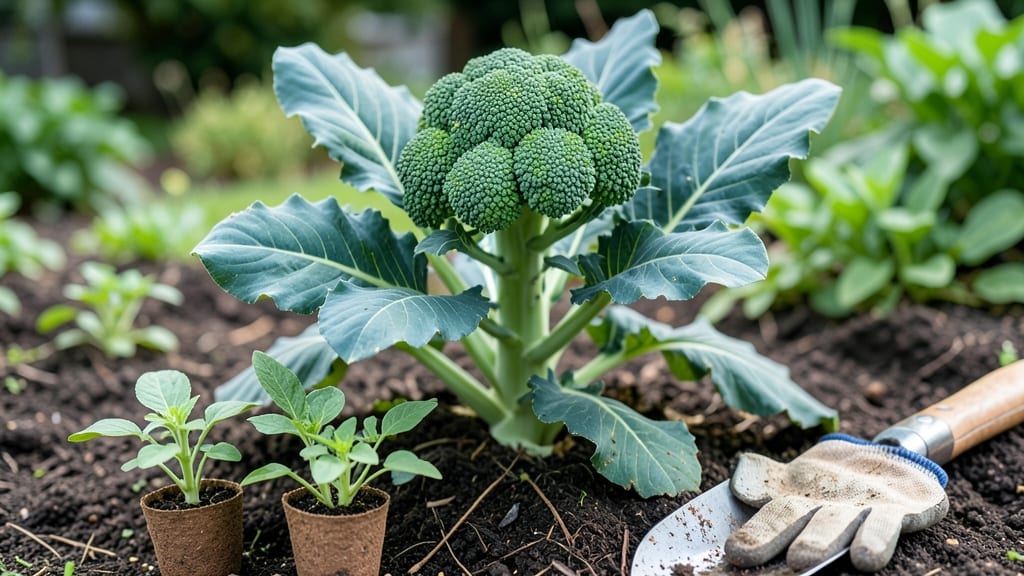
Planting broccoli 🥦 in Kansas isn’t just about picking a month—it’s about catching the perfect soil temperature window to ensure fast germination and a thriving harvest. Too early, and frost zaps your seedlings before they even sprout; too late, and your plants bolt before forming those prized heads.
Kansas’ USDA zones 5b-7a mean your last frost date can swing from mid-April in colder areas to early April in warmer pockets—making timing everything. I’ll break down exactly when to plant for fast germination (hint: wait until soil hits 40°F+) and how to adjust for Kansas’ unpredictable weather.
Whether you’re a first-time gardener or a seasoned grower, these seasonal secrets will help you avoid common mistakes and maximize your yield. Let’s dive into the best planting windows—spring and fall—and how to work with Kansas’ climate for a bountiful harvest.
From staggered sowing to cold-hardy varieties, I’ll share the pro tips that make all the difference. Ready to grow broccoli that’s ready to harvest in just 60 days? Let’s get started.
Kansas broccoli planting calendar: month-by-month soil temp guide
Kansas’ USDA zones 5b-7a create a unique challenge for broccoli growers—cool nights, hot days, and unpredictable frost dates demand precision. The key to success? Planting when soil temperatures hit 40°F or warmer for reliable germination, while avoiding late frosts that can devastate young seedlings.
Broccoli thrives in two distinct windows: spring (March-April) and fall (August-September). Each requires different strategies to align with Kansas’ frost-free periods. For example, Wichita’s last frost typically arrives around April 15, while Topeka’s can linger until April 20—a 5-day difference that matters for your planting schedule.
🌱 Did You Know?
Here’s your month-by-month breakdown for Kansas, including ideal planting dates, soil temperature triggers, and harvest windows. Use this as your roadmap to avoid common mistakes like overcrowding or poor germination from cold soil.
📅 Planting Calendar for Kansas Broccoli
Notice how April and September are the sweet spots for direct sowing—these months offer the best balance of soil warmth and frost-free growing windows. For example, planting in late April gives you a 100-day growing season before Kansas’ first frost in mid-October.
Pro tip: Use row covers or cold frames to extend your spring planting by 2-3 weeks. I’ve seen gardeners in USDA Zone 5b (like those in Hays) push broccoli starts into early February under protection—just monitor soil temps daily with a thermometer.
For fall planting, aim to harvest before October 15 in most of Kansas. Varieties like 'De Cicco' mature in just 50 days, making them ideal for late-season plantings. If you’re in Zone 7a (e.g., Kansas City), you can stretch harvests into early November with row covers.
Remember: Soil temperature is your best friend here. A soil thermometer ($15 at garden centers) will save you from wasted seeds. For instance, in Wichita (Zone 7a), soil temps can drop below 40°F in March—wait until they stabilize before planting.
🌿 Action Step: Mark your calendar for March 15 (start seeds indoors) and April 15 (transplant outdoors). Repeat in August 1 for fall crops. This two-season approach maximizes your harvest in Kansas’ climate.
How to adjust broccoli planting for Kansas’ unpredictable weather patterns
Kansas’ weather is famously unpredictable—one day brings late frosts that zap seedlings, while the next delivers heatwaves that send broccoli bolting. The key to success? Flexible planting strategies that account for these swings.
I’ve grown broccoli in Kansas for years, and I’ve learned that staggered sowing and cold-hardy varieties are non-negotiable for consistent harvests.
Start by planting 3 batches of seeds every 2 weeks in spring. This ensures at least one batch survives late frosts while others mature steadily.
For fall, repeat the process 8-10 weeks before frost—this gives plants time to establish roots before winter sets in. Row covers are my secret weapon for protecting young seedlings from 28°F+ dips; they add 4-6°F of warmth without overheating plants.
Drought is another Kansas wildcard. Broccoli needs consistent moisture to form heads, so mulch heavily with straw or grass clippings to retain soil moisture. During dry spells, water deeply twice weekly—focus on the root zone, not just the leaves.
I’ve seen broccoli wilt and recover in hours when given this care, but neglect leads to bitter, stunted heads.
Heat is the biggest enemy after frost. If temperatures climb above 85°F, broccoli bolts within days. Choose heat-tolerant varieties like 'De Cicco' (which handles 90°F+ better than most) and plant in partial shade during peak summer.
A simple shade cloth (30-50% coverage) can buy you 2-3 extra weeks of harvestable heads when temps soar.
⚠️ Pros & Cons of Kansas Broccoli Planting Strategies
Ensures harvests across 6+ weeks; protects against frost/heat losses.
Extends season by 2-3 weeks; shields from pests like flea beetles.
Risk: Seedlings die if temps drop below 28°F.
Risk: Bolting occurs at 85°F+; heads become bitter.
Retains 30% more moisture; suppresses weeds.
Reduces heat stress by 10-15°F; prolongs harvest.
For the most reliable results, combine these strategies: plant cold-hardy varieties like 'Waltham 29' in early spring, use row covers for the first 3 weeks, and mulch aggressively.
I’ve had broccoli survive 25°F nights with this approach—something I never thought possible in Kansas! The payoff? Harvests from May through November with minimal fuss.
Remember, Kansas gardening is about adaptation. If a late frost hits, don’t panic—just replant. If heat arrives early, shade your plants. With these adjustments, you’ll turn Kansas’ quirks into your broccoli’s superpowers. Happy growing! 🌱