
Plants
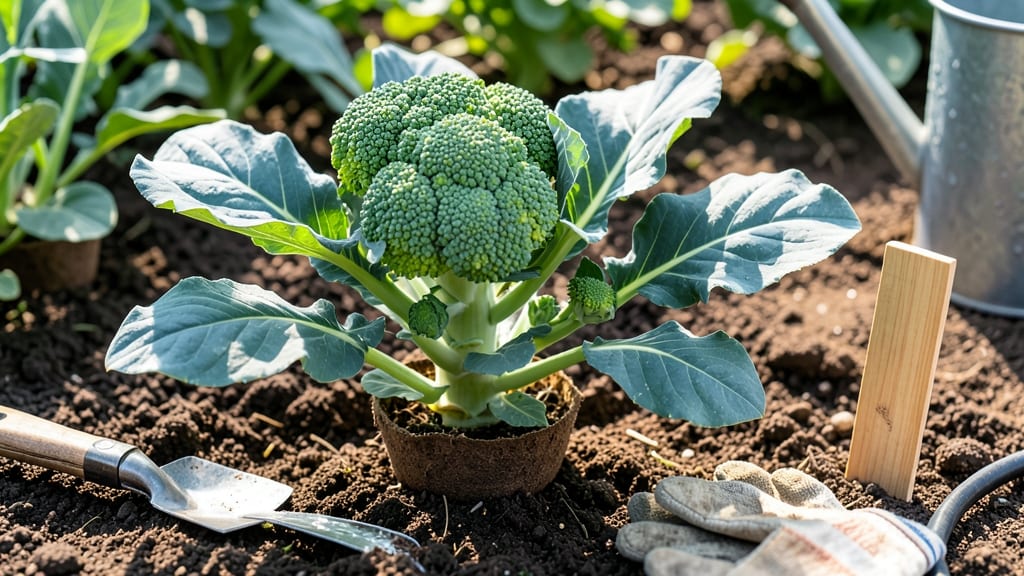
If you’ve ever wondered why your broccoli 🥦 plants in Zone 7a either take forever to sprout or bolt too fast, you’re not alone. The key to a thriving harvest lies in planting at the right time—when soil temperatures align with your broccoli’s needs.
In Zone 7a, timing is everything. Plant too early, and the soil might still be too cold for germination. Wait too long, and you risk bolting before frost. The secret? Start seeds indoors or transplant seedlings when soil temps hit 40°F—the sweet spot for fast, reliable growth.
Whether you’re aiming for a spring harvest or a fall crop, this guide breaks down the exact windows to plant broccoli in Zone 7a. We’ll cover soil temperature triggers, frost dates, and even how to adjust for late starts—so you can enjoy a steady supply of homegrown 🥦 all season long.
Ready to grow broccoli that’s fast, flavorful, and foolproof? Let’s dive into the best planting strategies for your climate.

Ideal soil temperature ranges for broccoli germination in Zone 7a
Broccoli seeds need consistent soil temperatures between 45°F and 85°F to germinate properly. In Zone 7a, this means timing your planting to avoid both chilly spring nights and sweltering summer heat.
For direct sowing, aim for soil temps between 60°F and 70°F—this ensures fast germination (typically 7-14 days) and strong seedlings. Transplants, however, can handle slightly cooler soil (50°F to 60°F) but still need warmth to thrive.
Use a soil thermometer to check temps before planting. In Zone 7a, morning soil temps often dip below ideal levels in early spring, so wait until late March or early April for direct sowing.
For fall crops, soil temps drop too quickly by October, so plant by mid-August to avoid slow starts. If your soil runs cold, consider black plastic mulch or a cold frame to warm it up.
Broccoli is a cool-season crop, meaning it prefers temps below 75°F to grow well. If soil temps exceed 80°F, seeds may rot before sprouting, or seedlings will struggle with bolting (premature flowering).
In Zone 7a’s summer heat, opt for shade cloth or late-afternoon shade to keep soil cooler and extend the growing window.
Here’s a quick rule of thumb: Spring planting should align with last frost dates (typically March 15 in Zone 7a), while fall planting must finish 8-10 weeks before the first frost (around November 15). This timing ensures your broccoli matures before cold snaps hit.
For transplants, which are more resilient, you can start them indoors 4-6 weeks before your last frost date and move them out when soil temps hit 50°F.
This gives you a head start and reduces the risk of seedling diseases from overcrowded trays. Just be sure to harden off seedlings for 7-10 days before transplanting.
| Stage | Soil Temp (°F) | Germination Time | Zone 7a Window |
|---|---|---|---|
| Direct Sowing | 60°F–70°F | 7–14 days | Late March–Early April |
| Transplanting | 50°F–60°F | N/A (pre-started) | Early April–Mid-August |
| Fall Sowing | 60°F–70°F | 10–14 days | Mid-August–Early Sept |
| Avoid Planting | Below 45°F or Above 85°F | Poor germination | Early Feb, June–July |
If you’re planting in containers, soil warms up faster than in-ground beds. Monitor temps closely, as pots can overheat in direct sun. For fall crops, focus on cold-hardy varieties like ‘Waltham 29’ or ‘Calabrese’, which tolerate cooler temps better than standard types.
These varieties can handle light frosts (down to 25°F) once established, giving you an extended harvest window.
Pro tip: Mulch heavily after planting to retain soil warmth in spring or coolness in summer. Straw or shredded leaves work well, keeping temps stable and reducing moisture loss. In Zone 7a, this can mean the difference between a thriving crop and a struggling one during temperature swings.
Always check your local microclimate—south-facing beds warm up faster than north-facing ones. If your garden has late spring frosts or early fall warmth, adjust your planting dates accordingly. For example, if your area tends to have April frosts, wait until mid-April for direct sowing.
Remember, soil temperature ≠ air temperature. On a 50°F day, soil may still be 60°F+ if it’s been sunny. Use a thermometer to avoid guesswork—your broccoli’s success depends on it! 🌱
Best planting windows in Zone 7a: spring vs. fall strategies
Zone 7a gardeners have two prime opportunities to grow broccoli 🥦—spring and fall—each with distinct advantages. For spring planting, aim for 4-6 weeks before your last frost date (typically mid-March to early April). This timing ensures seedlings establish roots before warm weather triggers bolting.
Fall planting offers a second harvest window by sowing late summer to early September (around August 15-September 1). The key is planting early enough for heads to mature before first frost (usually mid-November).
Pro tip: Use cold-hardy varieties like 'Waltham 29' or 'De Cicco' for fall crops—they tolerate cooler temps better than heat-sensitive types.
🌱
Spring-planted broccoli typically matures by May-June, while fall crops are ready by October-November. For continuous harvests, stagger plantings every 2-3 weeks during both windows.
Remember: Overheating (soil temps >75°F) causes bolting, so avoid early spring planting if nights stay warm. In Zone 7a, fall is often more reliable for consistent yields.
🌿