
Plants
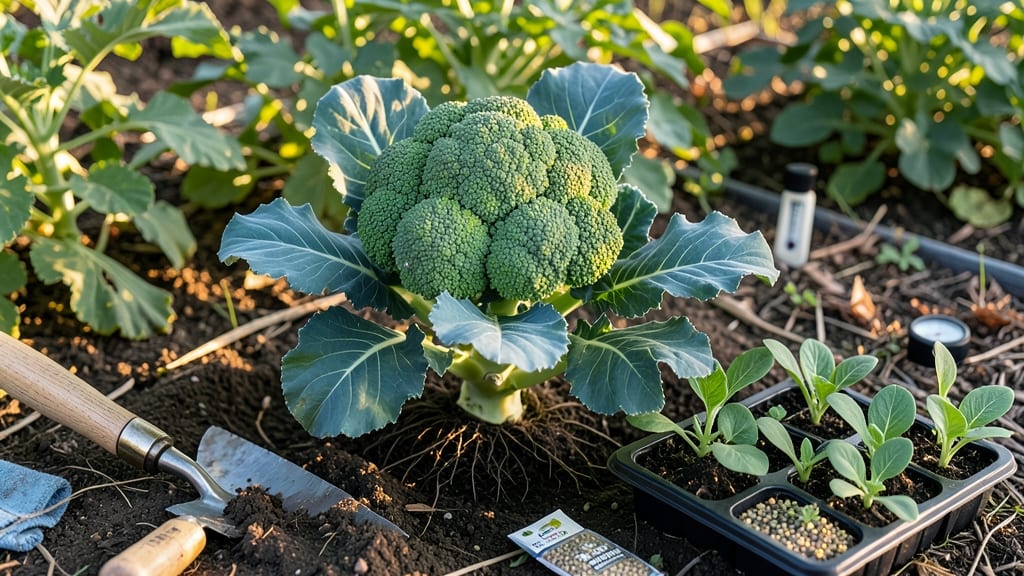
Timing your broccoli 🥦 planting in Indiana isn’t just about following a calendar—it’s about outsmarting the state’s unpredictable swings from frost to sudden heat. Plant too early, and you risk bolting before harvest; too late, and summer’s humidity turns your crop into a sad, wilted mess.
The key to success lies in knowing exactly when to start seeds or set out transplants for your specific zone, whether you’re in chilly northern Indiana or the slightly milder south.
Most Indiana gardeners (including those in USDA Zone 6a) have two prime windows: early spring—4 to 6 weeks before your last frost date (around mid-April)—and late summer, when soil temps dip below 80°F in early August.
But here’s the catch: Indiana’s microclimates mean your neighbor’s “perfect” timing might not work for you. I’ll break down the exact dates, soil temperature tricks, and how to stretch your harvest season without the bolting disaster.
Why does this matter? Because nothing beats the satisfaction of crisp, homegrown broccoli 🥦—especially when you’ve dodged the common pitfalls that turn Indiana gardens into bolting hotspots.
You’ll learn how to calculate your local frost dates, prep soil for cool-season crops, and even use shade cloth to trick your plants into growing when summer heat would otherwise shut them down.
Let’s get those seeds in the ground at the right moment so you can enjoy a harvest from May through October.
Ready to stop guessing and start growing? I’ll walk you through the step-by-step process, including when to start indoors, how to harden off seedlings, and the best varieties for Indiana’s climate.
By the end, you’ll have a foolproof plan to turn your backyard into a broccoli powerhouse—no more wasted effort or bolting headaches.
Indiana broccoli planting calendar by hardiness Zone (5-6a/b)
Indiana’s USDA Zones 5-6a/b create unique challenges for broccoli growers, with northern Indiana (Zone 5) facing earlier frosts than southern Indiana (Zone 6). Timing is everything—plant too early, and you risk bolting from cold snaps; plant too late, and summer heat triggers the same problem.
The key? Soil temperature and frost dates.
For spring planting, aim to sow seeds or transplant seedlings 4–6 weeks before your last frost date.
In most of Indiana, this lands in mid-March to early April for Zone 6 and late March to mid-April for Zone 5. Fall planting requires a different strategy—start seeds indoors 90 days before the first frost (typically July 15–August 1), with transplants going in by mid-August.
Here’s the critical timeline you can’t afford to miss:
| Stage | Action | Zone 5 (Northern IN) | Zone 6 (Southern IN) |
|---|---|---|---|
| Spring Planting Window | Direct Sow or Transplant | Mid-March to mid-April | Late February to early April |
| Soil Temperature Requirement | Minimum for Germination | 40°F (4°C) | 40°F (4°C) |
| Fall Planting Window | Start Indoors/Transplant | July 15–August 1 | July 1–August 15 |
| First Frost Date | Harvest Deadline | October 15 | October 20–30 |
| Bolting Risk Period | Avoid Planting Here | May 15–June 15 | May 1–June 10 |
🌱 Key: Adjust dates 1–2 weeks earlier for high-altitude areas (e.g., northern Lake County) or later for urban heat islands (e.g., Indianapolis).
Indiana’s microclimates can shift planting windows by weeks. For example, southern Indiana (Zone 6) near Evansville might safely plant broccoli in late February, while northern Indiana (Zone 5) near South Bend should wait until mid-March.
Use a soil thermometer to confirm temperatures—broccoli seeds need 40°F (4°C) to germinate, but cooler soils slow growth.
If you’re transplanting seedlings, harden them off for 7–10 days before moving them outdoors. Cold frames or row covers can extend your spring season by 2–3 weeks, protecting young plants from late frosts.
For fall crops, prioritize fast-maturing varieties like ‘Waltham 29’ or ‘De Cicco’—they’ll reach harvest before winter sets in.
Pro tip: Plant in blocks, not rows, to maximize space and create a staggered harvest.
This also helps confuse pests like cabbage worms, giving you more time to spot and remove them before they damage your crop. Succession planting every 2 weeks in spring and fall ensures a continuous supply of fresh broccoli.
Watch for false springs—those warm spells in March that trick you into planting early. If nighttime temperatures dip below 40°F (4°C), your broccoli will bolt or develop bitter flavors. Use frost cloth if needed, but remove it during the day to avoid overheating.
For container gardening, choose dwarf varieties like ‘Calabrese’ and plant in 5-gallon pots with well-draining soil. Containers warm up faster than garden beds, so you can plant 1–2 weeks earlier in spring and 1–2 weeks later in fall. Just ensure pots have drainage holes to prevent root rot.
Remember: Indiana’s humidity loves to invite fungal diseases like downy mildew. Space plants 18–24 inches apart
How to extend your broccoli harvest season in Indiana’s climate
Indiana’s humid summers and variable fall temperatures can sabotage your broccoli harvest if you don’t plan ahead. The key to success? Succession planting, strategic shade use, and smart companion planting to keep your plants cool and productive.
With these tactics, you can enjoy fresh broccoli from early spring through crisp fall—even in Indiana’s Zone 5-6a/b climate.
Start by planting successive batches every 2–3 weeks from early spring through mid-summer. This ensures a continuous supply of young plants that mature before summer heat triggers bolting.
For example, if your last frost date is April 15, begin your first planting in early March (under row covers) and follow with new batches every 3 weeks until June 15.
- Succession Plant: Sow seeds every 2–3 weeks from March to June for continuous harvests.
- Use Shade Cloth: Apply 30% shade in July–August to prevent bolting from heat stress.
- Plant in Fall: Start late-summer plantings by July 15 for fall harvests before frost.
- Companion Plants: Pair broccoli with bush beans or dill to deter pests and improve growth.
- Mulch Heavily: Use straw or leaves to keep soil cool and retain moisture.
For fall harvests, time your last planting to reach maturity 90 days before your first frost (typically October 15 in Indiana). This means starting seeds indoors by early July or transplanting seedlings by mid-July.
Use black plastic mulch to warm the soil faster in early plantings, then switch to straw mulch in late summer to cool roots during heatwaves.
Indiana’s high humidity can also invite fungal diseases like downy mildew. To combat this, water at soil level (not overhead) and space plants 18–24 inches apart for airflow.
Avoid planting broccoli where tomatoes or peppers grew last year, as these share diseases. Instead, rotate with legumes or leafy greens to break the cycle.
Don’t overlook side shoots after harvesting the main head! Cut the head off but leave the stalk—it’ll produce 3–5 smaller shoots in 4–6 weeks. With proper care, a single plant can yield up to 5 harvests per season.
This extends your harvest window and maximizes your garden’s productivity, even in Indiana’s short growing season.
By combining succession planting, shade protection, and companion planting, you’ll turn Indiana’s climate challenges into opportunities for a longer, more reliable broccoli harvest. Start small with one test batch this year, and you’ll soon master the art of beating the heat and humidity! 🌿