
Plants
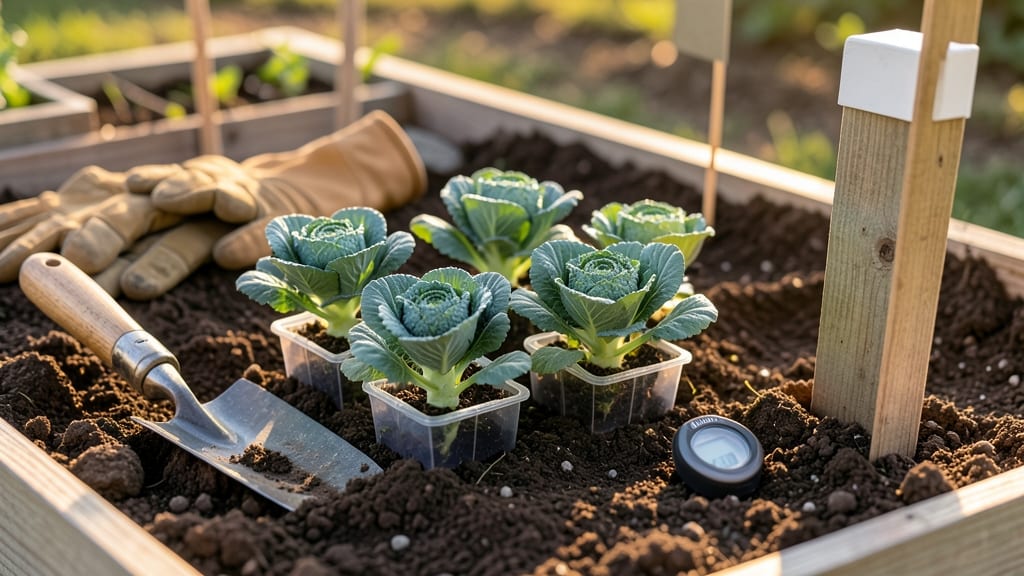
Timing your 🥦 broccoli planting in Connecticut can mean the difference between a thriving garden and wasted effort.
With last frost dates around April 15 in most of the state, getting those seeds in the ground too early risks frost damage, while planting too late might leave you with stunted plants.
I’ve grown broccoli in CT’s Zone 6a for years, and the key is knowing when to start seeds indoors or transplant seedlings for the best harvest.
Whether you’re aiming for a late spring crop or a fall harvest, the right timing ensures your plants mature before the first frost hits in October.
In this guide, I’ll break down the exact windows for planting—both spring and fall—so you can avoid common mistakes and maximize your yield. From soil prep to frost protection, you’ll learn how to give your broccoli the best shot at success in Connecticut’s climate.
Ready to grow your own? Let’s dive into the perfect planting schedule for broccoli in CT, step by step.
Connecticut broccoli planting deadlines by hardiness Zone (last frost dates & optimal timing)
Connecticut spans USDA Zones 5-7, meaning your last frost date typically falls between April 15-30, while the first frost arrives around October 15. These dates create a 165-day growing window—perfect for two broccoli harvests per year.
Timing is critical because broccoli hates frost and needs consistent warmth to thrive.
For spring planting, aim to sow seeds or transplant seedlings 4-6 weeks before your last frost date. In CT, that means mid-March to early April for most regions.
If you miss this window, don’t despair—fall planting is equally rewarding, with seeds going in August to early September for a late-season harvest before winter sets in.
Here’s the key: Broccoli takes 70-90 days to mature. Plant too early, and you’ll risk boltng (going to seed) from heat stress in summer. Plant too late, and frost will ruin your crop.
The sweet spot? Align your planting with CT’s frost-free window while accounting for your chosen variety’s maturity time.
Pro Tip: Use row covers or cold frames to extend your spring planting by 2-3 weeks if late frosts threaten. This lets you push seedlings into the ground 2-3 weeks earlier than the official last frost date without risking damage.
In Zone 5 (western CT), where frosts linger longer, start seeds indoors in February and transplant outdoors by late April. Meanwhile, Zone 7 (southeastern CT) gardeners can plant outdoors as early as mid-March and enjoy a longer growing season.
Always check your local CT agricultural extension office for year-specific frost date updates.
| Zone | Last Frost Date | Spring Planting Window | Fall Planting Window | Harvest Time |
|---|---|---|---|---|
| Zone 5 (Western CT) | April 20-30 | Late March - Early April | Late August - Early Sept | June - Early July or Sept-Oct |
| Zone 6 (Central CT) | April 10-20 | Mid-March - Mid-April | Early August - Mid-Sept | May - June or Sept-Oct |
| Zone 7 (Southeastern CT) | April 1-10 | Early March - Early April | Mid-August - Early Sept | Late April - June or Sept-Oct |
For fall broccoli, calculate 80-100 days before your first frost. In CT, this means late July to early September plantings. Choose early-maturing varieties (like 'De Cicco') for fall, as they’ll finish before winter sets in. Succession planting every 2-3 weeks in late summer ensures a steady harvest.
If you’re using transplants (seedlings from a nursery), harden them off for 7-10 days before planting. This means gradually exposing them to CT’s wind and sun to avoid shock.
For direct sowing, plant seeds ¼ inch deep and 1 inch apart, thinning to 12-18 inches apart once seedlings emerge.
Remember: Soil temperature matters too! Broccoli seeds need soil at least 40°F to germinate. Use a soil thermometer to check—if it’s cooler, wait a few days or use a heat mat for seedlings. In CT’s unpredictable springs, this can mean the difference between a thriving crop and a failed one.
Finally, mark your calendar for CT’s average frost dates, but stay flexible. Weather patterns shift yearly, and a late frost in May or early frost in September can disrupt your plans. Always have row covers or a greenhouse on standby to protect young plants.
How to extend broccoli growing season in CT: frost protection & succession planting tips
Connecticut’s unpredictable spring weather can leave your 🥦 broccoli vulnerable to late frosts, even after the official last frost date of April 15. Without protection, tender seedlings can be wiped out overnight, leaving you with zero harvest.
I’ve learned the hard way—last year, a surprise frost in early May cost me my entire spring crop!
But don’t let that discourage you. With the right strategies, you can extend your broccoli’s growing season by weeks, even months. The key is combining frost protection with succession planting to create a staggered harvest. Here’s how I do it in my Zone 6a garden to maximize yields.
First, let’s tackle frost protection. Even if you plant after the last frost date, a late freeze can still sneak in. I use lightweight floating row covers (like Agribon) to shield seedlings, which raise temperatures by 5-8°F.
For extra insurance, I also plant near windbreaks—like a fence or tall shrubs—to reduce cold air pooling.
For succession planting, I stagger my broccoli in 2-week intervals from March through May. This ensures a continuous harvest instead of one big batch. For example, I’ll plant my first batch in late March (under row covers), then follow up with seedlings every two weeks until mid-May.
Here’s my fall planting hack: I aim for a late summer transplant (around August 15) to harvest before the first frost in mid-October.
I choose fast-maturing varieties (like ‘De Cicco’) to ensure they’re ready in time. If frost threatens early, I harvest the side shoots first—they’re just as delicious!
One mistake I used to make? Overestimating my frost dates. Always check the CT Agricultural Experiment Station’s frost predictions (they update weekly) and adjust your timeline. And if you’re really ambitious, try a mini cold frame—it can add 2-3 extra weeks of growing time in spring or fall.
With these tactics, I’ve gone from zero spring harvests to continuous broccoli all summer. The secret? Plan ahead, protect your plants, and keep planting! 🌱
Never plant broccoli more than 4 weeks before your average last frost date. Young plants won’t survive even light frosts (32°F). Use row covers or black plastic mulch to warm soil faster in early spring.
For fall planting, count back 80-100 days from your first frost date (usually October 15 in CT).
If you’re in Zone 5 (like parts of northern CT), aim for August 1—earlier than Zone 6a. And if you’re really pushing it, try ‘Waltham 29’, a cold-hardy variety that tolerates light frosts.
Pro tip: Mulch heavily with straw or leaves to insulate roots. In my garden, this has added 10 extra days of harvest time in fall. And if you’re growing in containers, bring them indoors overnight during near-freezing temps—it’s saved my plants more times than I can count!