
Plants
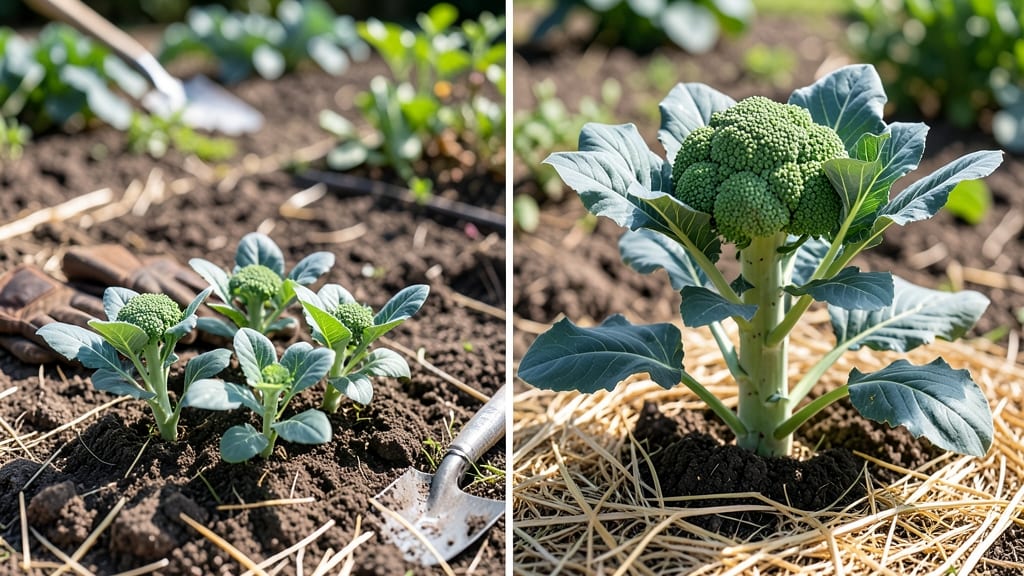
Timing your 🥦 broccoli planting in Central Texas can mean the difference between a bountiful harvest and a sad, bolted disappointment.
The key is understanding when to sow those seeds so your plants thrive in our unique 8a climate—where summer heat can send broccoli running to flower before you even get a bite.
Most gardeners here know the drill: plant too early, and the heat zaps your crop; too late, and frost steals your harvest.
But there’s a sweet spot—February to March for spring and August to September for fall—that keeps your broccoli cool, happy, and ready to produce those crisp, flavorful heads you crave.
I’ve grown broccoli in Central Texas for years, and I’ll share the exact strategies I use to avoid bolting, from soil prep to shade tricks that work in our hot summers.
Whether you’re a first-timer or a seasoned gardener, these tips will help you time your planting like a pro.
Ready to grow broccoli that actually makes it to your plate? Let’s dive into the best ways to plant for Central Texas’s unpredictable weather—so you can enjoy homegrown 🥦 all season long.
Optimal broccoli planting windows in Central Texas by month
Central Texas’s USDA Zone 8a climate demands precision when planting broccoli—too early, and the heat triggers bolting (premature flowering). Too late, and frost zaps your crop. The key? Plant when soil temps hover between 45°F and 80°F, avoiding extreme heat or cold snaps.
Broccoli thrives in cool-season windows: late summer for fall harvests and early spring for spring harvests. In Central Texas, this means August–September for fall and February–March for spring. Timing isn’t just about months—it’s about soil temperature and daylight hours.
For fall broccoli, start seeds indoors 6–8 weeks before your target transplant date (mid-August). Transplant seedlings into the garden by late August to early September to ensure heads mature before the first frost (mid-November). For spring broccoli, transplant seedlings in February to avoid heat stress.
Direct-sowing broccoli is riskier in Central Texas due to unpredictable heat spikes. Instead, opt for transplanting seedlings from local nurseries or start your own indoors. Varieties like ‘Waltham 29’ or ‘Packman’ tolerate heat better than ‘Calabrese’, which bolts faster in Texas summers.
| Planting Window | Soil Temp Requirement | Transplant Date | Harvest Window | Notes |
|---|---|---|---|---|
| Fall Planting (Aug–Sept) | 50°F–75°F | Late Aug–Early Sept | Oct–Nov | Use row covers for early starts |
| Spring Planting (Feb–March) | 45°F–65°F | Mid-Feb–Early March | April–May | Avoid transplanting after March 15 |
| Late Summer (Direct Sow) | 60°F–70°F | Late July–Early Aug | Sept–Oct | Risky; use shade cloth |
Central Texas’s hot summers can trick broccoli into bolting, even if planted at the "right" time. To prevent this, choose slow-bolting varieties like ‘De Cicco’ or ‘Green Goliath’, which handle heat better than standard types. Always mulch heavily with straw or wood chips to keep roots cool.
Another pro tip: Succession plant every 2–3 weeks in fall to stagger harvests. Start a second batch in mid-September for a late-October crop, just before frost. This ensures you’re not left with a single harvest or none at all due to weather surprises.
Monitor daylength too—broccoli senses longer daylight hours (like summer) as a signal to bolt. In Central Texas, this means avoiding April plantings unless you’re using shade cloth (30–50%) to trick the plants into thinking it’s cooler.
Finally, test your soil before planting. Broccoli prefers pH 6.0–7.0 and rich, well-draining soil. Amend clay-heavy Central Texas soil with compost or aged manure to improve drainage and fertility. A soil test costs $15–$20 and saves you from bolting disasters.
With these Central Texas-specific timing tips, you’ll avoid the heartbreak of bolting broccoli and enjoy a bountiful harvest twice a year—once in spring and again in fall. Happy gardening! 🥦
Optimal broccoli planting windows in Central Texas by month
Central Texas's USDA Zone 8a climate means broccoli thrives in cool-season windows—but timing is critical. Plant too early, and heat stress triggers bolting. Too late, and fall frosts ruin your harvest.
The key is aligning your planting with soil temperatures below 75°F and avoiding Texas's notorious summer heat spikes.
For spring harvests, aim to plant broccoli 4-6 weeks before your last frost date (typically mid-March in Central Texas). This gives seedlings time to establish roots before warming temperatures arrive.
For fall harvests, start seeds 90 days before your first frost (around mid-August), ensuring mature heads form before November chills set in.
Soil temperature is your best guide—broccoli seeds germinate best in 45-85°F soil. Use a soil thermometer to monitor conditions. If temps creep above 80°F, delay planting or opt for shade cloth to protect young plants from bolting.
🥦 Central Texas Broccoli Planting Calendar
| Season | Planting Window | Soil Temp (°F) | Harvest Window | Key Notes |
|---|---|---|---|---|
| Spring | February-March | 45-75°F | April-May | Start indoors 6-8 weeks before last frost |
| Fall | August-September | 50-70°F | October-November | Direct-sow or transplant seedlings |
| Avoid | April-July | Above 80°F | N/A | Risk of bolting due to heat |
Choose heading varieties like 'Waltham 29' or 'Packman' for spring, as they mature quickly in cooler weather. For fall, opt for sprouting types like 'Calabrese' or 'Romanesco', which tolerate slight frost better. Transplant seedlings (not seeds) in fall for faster establishment, as cooler soil slows germination.
Extend your season with row covers or cold frames to protect plants from unexpected late-spring frosts or early-fall chills. These tools buy you 2-3 extra weeks of growing time, making all the difference in Central Texas's unpredictable climate.
Always harden off seedlings for 7-10 days before transplanting, especially in fall when temperature swings are common. Gradual exposure to outdoor conditions prevents shock and bolting.