
Plants
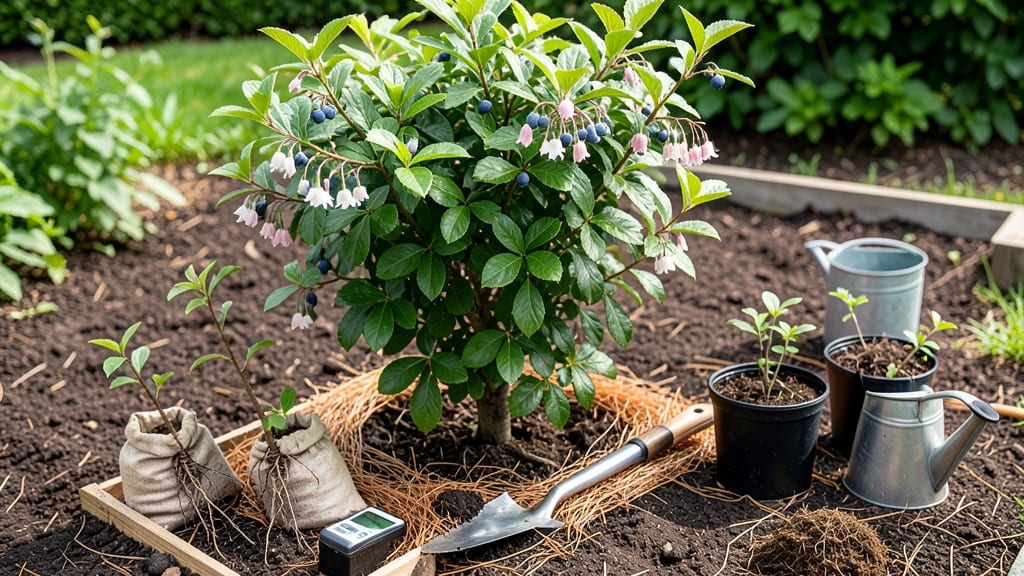
Planting blueberries in Zone 9 might seem tricky with its intense heat, but getting the timing right can set you up for a bountiful harvest. The key is planting during late fall to early spring when temperatures are milder and stress on young bushes is minimized.
For Zone 9 gardeners (think Southern California, Phoenix, or Florida), the ideal window stretches from November through February. This period avoids the brutal summer heat that can shock tender blueberry seedlings.
Whether you're planting in the ground or containers, cooler months give roots time to establish before the sun ramps up.
You might wonder if container planting gives you more flexibility—it does, especially for heat-sensitive varieties. But even in pots, timing matters. We'll cover how to prep your soil, choose the right varieties like rabbiteye or southern highbush, and keep your bushes thriving through Zone 9's unique challenges.
From mulching to watering strategies, I'll walk you through every step to ensure your 🫐 bushes grow strong and productive. Let's get those blueberries off to the best possible start!

Best planting seasons for blueberries in Zone 9 (with temperature guidelines)
In Zone 9, where summers can hit 100°F+, planting blueberries at the wrong time often leads to heat stress or poor root establishment. Unlike cooler zones, you’ll want to avoid spring planting when temperatures rise—focus instead on late fall to early spring when soil temps stay mild.
This timing helps seedlings establish roots before summer’s intensity kicks in.
Blueberries thrive when soil temperatures hover between 40°F and 60°F during planting. In Zone 9, this window typically spans November through February, aligning with cooler months.
Planting in December or January gives roots time to settle before the heat arrives, while March planting is riskier unless you’re in a coastal microclimate with milder conditions.
Zone 9’s microclimates—like desert valleys vs. coastal areas—can shift ideal timing by weeks. For example, Phoenix may push planting to late fall (November), while Southern California coasts might extend it to early March.
Always check your local USDA Zone 9a/9b frost-free dates, even though frost is rare, to avoid early heatwaves.
Here’s the golden rule for Zone 9: Plant when daytime highs are below 80°F and nighttime lows stay above 45°F. This balance minimizes transplant shock. If you miss the fall window, winter planting (December-February) is your next best bet—just ensure soil isn’t waterlogged from winter rains.
| Planting Window | Ideal Soil Temp (°F) | Zone 9 Months | Key Considerations |
|---|---|---|---|
| Late Fall | 40–55°F | November | Cool soil, minimal heat stress |
| Winter | 45–60°F | December–February | Avoid waterlogged soil; mulch heavily |
| Early Spring | 50–65°F | March (coastal only) | Risk of early heat; shade seedlings |
🌱 Pro Tip: Use a soil thermometer to confirm temps before planting.
If you’re planting in containers, timing becomes even more critical. Containers heat up faster, so aim for fall planting (October-November) and move pots to partial shade during summer. Use black plastic pots to absorb heat and keep roots cooler, or opt for light-colored containers to reflect sunlight.
Another Zone 9 hack: Pre-soak bare-root seedlings for 2–4 hours before planting to reduce transplant shock. Add a root stimulator to the water for extra protection. This step is non-negotiable in hot climates, where seedlings can dry out within hours if not hydrated properly.
Mulching is your best friend in Zone 9. Apply 3–4 inches of organic mulch (like pine bark or wood chips) immediately after planting to retain moisture and regulate soil temperature. Replenish mulch in late winter to protect roots as spring heat approaches.
Finally, avoid planting blueberries in full sun without shade during summer. Even heat-tolerant varieties like 'Centennial' will struggle if exposed to afternoon sun (2 PM–6 PM). Use dappled shade from nearby trees or install a shade cloth (30–50%) until plants establish roots.
With the right timing and care, your Zone 9 blueberries can thrive year-round—no wilting in sight! 🫐
Best planting seasons for blueberries in Zone 9 (with temperature guidelines)
Zone 9's year-round growing season might make you think blueberries can be planted anytime, but that's a recipe for disaster. The optimal window for planting blueberries here is between November and February, when daytime highs stay below 75°F.
This cooler period gives young roots time to establish before summer's heat stress kicks in.
Fall planting (November-December) is my top recommendation because it allows roots to settle in before winter rains. Winter planting (January-February) works too, but avoid planting when temperatures dip below 40°F, which can shock delicate seedlings. In Zone 9a, aim for 50-65°F soil temperatures for best results.
Here's why timing matters so much in Zone 9: Blueberries are heat-sensitive when young, and summer planting can lead to transplant shock from intense sunlight and dry winds. Even mature bushes struggle when daytime temps exceed 90°F without proper care.
| Season | Ideal Months | Soil Temp | Key Consideration |
|---|---|---|---|
| Fall | November-December | 50-65°F | Best root establishment before summer |
| Winter | January-February | 45-60°F | Avoid frost risk in Zone 9b |
| Spring | March-April | 60-70°F | Risk of summer heat stress |
🌱 Ideal Planting Windows for Zone 9 Blueberries
Microclimates play a huge role in Zone 9. Coastal areas like Southern California have milder winters, while inland spots like Phoenix can get surprisingly chilly at night. If you're in a cooler microclimate, you can extend planting into early March, but be ready to provide shade cloth during summer.
Container planting gives you more flexibility in Zone 9. You can plant dwarf varieties in pots during late winter (February-March) and move them to shaded areas during peak summer. Just ensure containers have drainage holes and use acidic potting mix to mimic ideal growing conditions.
After planting, focus on mulching with pine bark or straw to retain moisture and regulate soil temperature. In Zone 9's dry climate, mulch helps prevent root zone overheating while keeping weeds at bay. Water deeply twice weekly for the first month to encourage strong root growth before summer arrives.