
Plants
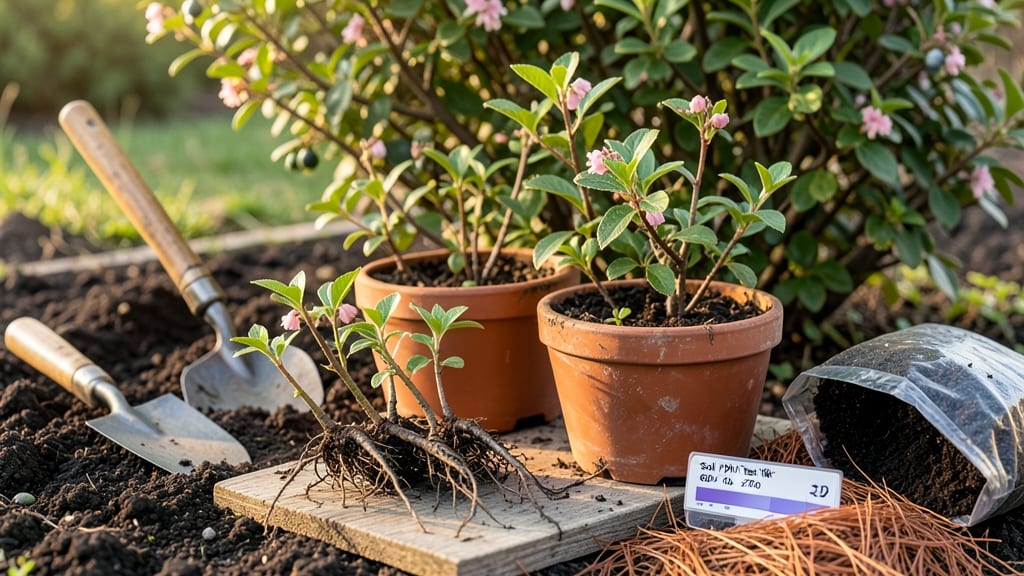
If you’ve ever dreamed of plucking fresh 🫐 blueberries straight from your Wisconsin backyard, timing your planting is the game-changer between success and disappointment. Wisconsin’s 4a-6b zones demand precision—plant too early, and a late frost could wipe out your young bushes; too late, and they won’t establish roots before winter.
The best window? April-May or September-October, when soil temperatures and chill hours align perfectly for root growth.
But here’s the catch: Wisconsin’s climate isn’t one-size-fits-all. Southern regions like Milwaukee can start earlier, while northern areas near Green Bay need to wait for consistent frost-free days.
I’ll break down the exact chill-hour requirements and soil prep tricks to ensure your bushes thrive—no matter where you’re planting in the Badger State.
You’ll also discover how to adjust for Wisconsin’s unpredictable springs, from testing soil pH (blueberries love acidic soil) to choosing cold-hardy varieties that shrug off late frosts. Whether you’re a first-time gardener or a seasoned grower, these steps will set you up for a bountiful harvest come July.
Ready to turn your blueberry dreams into reality? Let’s dive into the ideal planting windows and pro tips that’ll have your bushes flourishing for years.
Best planting windows in Wisconsin by chill-hour zone (Southern vs Northern regions)
Wisconsin’s USDA Zones 4a-5b create dramatic differences in chill-hour requirements for blueberries, which need 300-1,000 hours below 45°F to thrive. Southern Wisconsin (e.g., Milwaukee) typically gets 600-800 chill hours, while Northern areas (e.g., Green Bay) see 800-1,000+ hours.
This means your planting window shifts 2-4 weeks between regions!
For Southern Wisconsin, the safest planting windows are late April through early May (spring) or mid-September to early October (fall). Northern regions should aim for mid-May to early June in spring or late August to mid-September in fall.
These adjustments account for late spring frosts that can still hit after April 15.
Blueberries thrive with 6-8 hours of sunlight daily, but Wisconsin’s short growing season (average 150 frost-free days) demands precision. Planting too early risks root freeze, while planting too late delays root establishment before winter. The key is aligning your planting with soil temperatures above 40°F.
Chill-hour zones determine which varieties succeed. Southern Wisconsin gardeners should choose low-chill varieties like ‘Bluecrop’ (300-400 hours), while Northern growers need high-chill types like ‘Jersey’ (800+ hours). Mixing varieties can extend your harvest season from early July to late August.
Here’s how Wisconsin’s regions break down for planting:
| Region | USDA Zone | Chill Hours | Best Spring Planting | Best Fall Planting | Last Frost Risk |
|---|---|---|---|---|---|
| Southern WI (Milwaukee, Kenosha) | 5a-5b | 600-800 hrs | Late April–Early May | Mid-Sept–Early Oct | Mid-April (avg) |
| Central WI (Madison, Milwaukee) | 4b-5a | 700-900 hrs | Early May–Mid-May | Late Aug–Mid-Sept | Late April–Early May |
| Northern WI (Green Bay, Eau Claire) | 4a-4b | 800-1,000+ hrs | Mid-May–Early June | Late Aug–Early Sept | Early May (avg) |
Fall planting is often preferred in Wisconsin because it gives roots 6-8 weeks to establish before winter. However, avoid planting after October 15 in Southern regions or September 30 in Northern areas, as roots won’t harden enough for sub-zero temperatures. Use mulch (3-4 inches) to insulate roots.
For spring planting, wait until soil temperatures reach 50°F (use a soil thermometer) and daytime highs stay above 60°F. In Northern Wisconsin, this often means waiting until late May to avoid root freeze. Planting too early can stunt growth and reduce berry yield by 30-50%.
Wisconsin’s microclimates add another layer of complexity. Urban areas like Madison may have warmer microclimates (plant 1-2 weeks earlier), while rural farmland can be 2-3°F colder (plant 1-2 weeks later). Observe your yard’s sun exposure—south-facing spots warm up faster in spring.
If you’re unsure about your chill-hour zone, use the Wisconsin Horticulture Crops Team’s chill-hour calculator or contact your local UW-Extension office. They can provide hyper-local advice based on your elevation and nearby water bodies, which influence frost patterns. Don’t guess—your blueberries will thank you!
Best planting windows in Wisconsin by chill-hour zone (Southern vs Northern regions)
Wisconsin’s climate varies dramatically from Milwaukee’s warmer south to Green Bay’s colder north, making chill-hour requirements critical for blueberry success. Most Wisconsin regions fall into USDA Zones 4a-5b, but chill hours—300-1,000 hours below 45°F—dictate when to plant.
Southern Wisconsin (e.g., Milwaukee, Madison) typically gets 800-1,000 chill hours, while northern areas (e.g., Green Bay, Eau Claire) see 600-800 hours.
For southern Wisconsin, your best planting windows are late April to early May (spring) or mid-September to early October (fall). Northern regions should aim for mid-May to early June (spring) or late August to mid-September (fall) to avoid late spring frosts that can damage tender new growth.
Here’s how Wisconsin’s regions break down for optimal planting:
| Region | Chill Hours | Spring Planting Window | Fall Planting Window | Key Consideration |
|---|---|---|---|---|
| Southern (Milwaukee, Kenosha) | 800-1,000 hrs | Late April–Early May | Mid-Sept–Early Oct | Warmer microclimates; watch for late May frosts. |
| Central (Madison, Milwaukee) | 700-900 hrs | Mid-May–Early June | Late Aug–Mid-Sept | Moderate risk of late frosts; plant after May 15. |
| Northern (Green Bay, Eau Claire) | 600-800 hrs | Mid-May–Early June | Late Aug–Early Sept | Cooler soils; prioritize well-draining sites. |
Spring planting in Wisconsin is a delicate balance. If you choose this window, wait until the soil temperature reaches at least 45°F (use a soil thermometer) and monitor frost forecasts via the National Weather Service or local UW Extension alerts.
Fall planting, however, gives roots time to establish before winter—a critical advantage for Wisconsin’s harsh conditions.
Pro tip: If you’re in Zone 4a (northern Wisconsin), opt for cold-hardy varieties like ‘Northblue’ or ‘Jersey,’ which tolerate lower chill hours and late frosts. These varieties are your best bet for reliable harvests in colder microclimates.
For all regions, test your soil pH before planting—blueberries thrive in acidic soil (pH 4.5-5.5). If your soil is too alkaline, amend it with sulfur or peat moss at least 2 months before planting. This step is non-negotiable for berry production and root health.