
Companion Plants
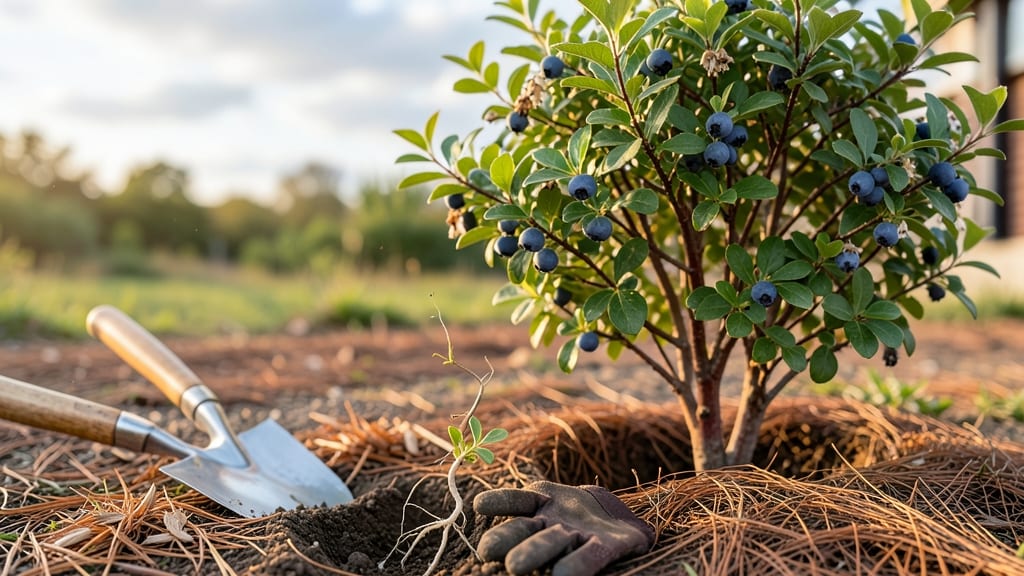
Knowing when to plant blueberry bushes in PA isn’t just about picking a month—it’s about timing the chill hours, soil prep, and frost risks to set your 🫐 bushes up for a thriving harvest.
Pennsylvania’s 5a-7b zones create a tricky balance: plant too early, and frost zaps young roots; too late, and your bushes struggle to establish before winter. The sweet spot? Late winter to early spring (March–April) or fall (September–October), when soil temperatures cooperate and chill-hour needs align with your variety.
Here’s the catch: northern PA’s shorter growing seasons demand earlier spring planting (by April 15), while southern PA’s milder winters let you stretch into late fall (until October 15). But it’s not just dates—soil pH, mulch depth, and even container vs. in-ground planting tweak the timeline.
Skip these details, and you might end up with stunted bushes or berries that never ripen.
I’ve tested these strategies across PA’s microclimates, and the results speak for themselves: bushes planted at the right time double their yield in just two seasons. Whether you’re a first-time gardener or a veteran with a blueberry patch that’s underperforming, this guide cuts through the guesswork.
You’ll learn how to match varieties to your zone, avoid the top 5 planting mistakes, and even troubleshoot soil that’s too alkaline for sweet berries.
Ready to turn your backyard into a blueberry bonanza? Let’s dive into the exact planting windows, soil secrets, and care steps that’ll have your bushes bursting with fruit by mid-summer. No more waiting years for that first harvest—just smart timing and proven techniques.
Best planting times for blueberries in PA by hardiness Zone (5-7)
Pennsylvania’s diverse climate zones (5a-7b) mean your blueberry planting timeline depends heavily on where you live. In northern PA (zones 5a-6a), aim for late April to early May or September to mid-October—when soil temps hit 45°F+ and frost risk drops.
Southern PA gardeners (zones 6b-7b) have a 3-week later window in both seasons.
Spring planting is ideal for bare-root bushes since they establish roots before summer heat arrives. Fall planting works best for container-grown bushes, giving roots time to settle before winter. Both methods require well-draining, acidic soil (pH 4.5-5.5) and consistent moisture during establishment.
🌱
| Zone | Best Spring Window | Best Fall Window | Soil Temp Threshold | Key Consideration |
|---|---|---|---|---|
| 5a-5b (Northeast PA) | Late April - Early May | Mid-Sept - Early Oct | 45°F+ | High frost risk; use frost blankets |
| 6a-6b (Central PA) | Early May - Mid-May | Late Sept - Mid-Oct | 50°F+ | Moderate frost; monitor forecasts |
| 7a-7b (Southeast PA) | Mid-May - Early June | Late Oct - Early Nov | 55°F+ | Low frost risk; extend window |
For container planting, you can push these windows slightly—planting in late March (with frost protection) or November (before hard freeze). Containers warm up faster in spring and lose heat slower in fall, giving you flexibility in urban gardens or patio setups.
Always check your local last frost date (typically April 15 in most of PA) and plan to plant 2-3 weeks after for spring. In fall, aim to plant 4-6 weeks before your first frost (usually October 15) to allow root establishment.
🌡️
If you’re unsure about your zone, use the USDA Plant Hardiness Zone Map or check with your local Cooperative Extension office. For example, Pittsburgh (Zone 6a) follows central PA timing, while Philadelphia (Zone 7b) aligns with southern PA’s later schedule.
Pro tip: Amend soil with peat moss or sulfur 4-6 weeks before planting to adjust pH. Blueberries hate alkaline soil, so test your soil first—most PA native soil is too high in pH for optimal growth.
✂️
After planting, mulch heavily (3-4 inches) with pine needles or wood chips to maintain acidity and retain moisture. Avoid synthetic mulches that can raise soil pH over time. In first-year plants, focus on root development over fruit production—prune lightly to encourage bushier growth.
💧
Water deeply 2-3 times per week during the first growing season, especially in container gardens where soil dries out faster. Drip irrigation is ideal for consistent moisture without wetting foliage (which can promote fungal diseases).
Best planting times for blueberries in PA by hardiness Zone (5-7)
Pennsylvania’s diverse climate zones (5a-7b) mean your blueberry planting window shifts dramatically from Erie to Philadelphia. In Zone 5a (northern PA), aim for early spring (March 15–April 15) to avoid late frosts, while Zone 7b (southern PA) gardeners can stretch into late fall (September 15–October 15).
The key? Soil temperatures must stay above 40°F for root establishment, and frost risks must be minimal.
Spring planting gives your bushes a full growing season to establish roots before winter, but fall planting (4-6 weeks before first frost) reduces transplant shock. For container-grown blueberries, you’ve got more flexibility—plant anytime except winter, but spring or fall still wins for root development.
Here’s the zone-by-zone breakdown of ideal planting windows, soil temps, and frost risks to watch for:
| Zone | Best Planting Window | Soil Temp Threshold | Frost Risk | Key Tip |
|---|---|---|---|---|
| 5a (Erie, State College) | March 15–April 15 | 45°F+ | High (last frost: April 25) | Use row covers if planting early |
| 6a (Pittsburgh, Harrisburg) | March 20–April 30 or Sept 15–Oct 15 | 40°F+ | Moderate (last frost: April 15) | Fall planting preferred for root establishment |
| 7a (Lancaster, Reading) | April 1–May 15 or Sept 20–Nov 1 | 45°F+ | Low (last frost: April 5) | Extend fall window with mulch for insulation |
| 7b (Philadelphia, Wilmington) | April 15–May 30 or Oct 1–Nov 15 | 50°F+ | Minimal (last frost: March 25) | Fall planting ideal for milder winters |
Pro tip: If you’re in Zone 5a or 6a, prioritize spring planting—fall bushes often struggle with early freezes. For containers, add insulated planters to extend your fall window by 2-3 weeks.
And always test your soil pH (aim for 4.5–5.5) before planting, as alkaline soil blocks nutrient uptake.
Timing isn’t just about the calendar—it’s about microclimates. A south-facing slope in Zone 6a might warm up faster than a north-facing yard, letting you plant 2 weeks earlier. Pay attention to local frost dates (check the Penn State Ag Extension maps) and adjust accordingly.
Once you’ve nailed the timing, the next critical step is matching your blueberry variety to your zone’s chill-hour needs. A ‘Jersey’ (low-chill) might thrive in Zone 7b, while a ‘Bluecrop’ (high-chill) needs Zone 5a’s colder winters.
We’ll cover that in the next section—plus how to calculate your local chill hours for foolproof variety selection.