
Plants
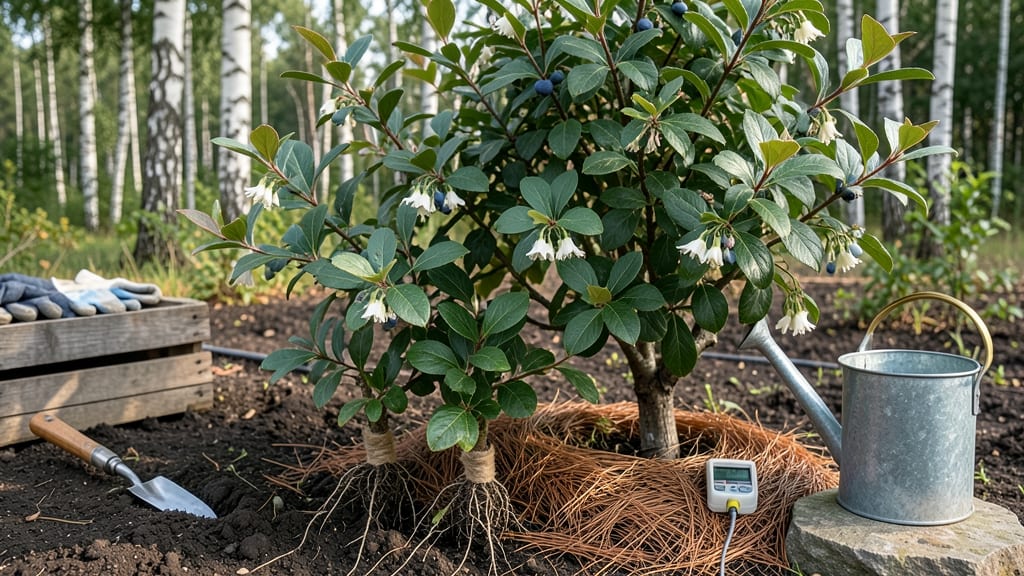
Timing your blueberry planting in Utah isn’t just about the calendar—it’s about beating the last frost, matching your variety to chill hours, and preparing for Utah’s dramatic temperature swings. Skip this window, and you might end up with stunted bushes or no fruit at all.
But get it right, and you’re setting up years of sweet, homegrown 🫐 harvests that rival any grocery store pick.
Most Utah gardeners know the basics: plant in spring after the frost danger passes. But here’s the catch—Utah’s USDA Zones 5-7 split into high-desert areas (like Salt Lake Valley) and mountain regions (think Park City), each with its own frost quirks.
Late April to early June is your sweet spot, but whether you’re in the Wasatch Front or southern Utah’s warmer microclimates, local frost patterns can shift that window by weeks.
I’ve tested what works in Utah’s soil and climate, from acid-loving soil prep to choosing varieties that thrive with 600-1,000 chill hours. Whether you’re planting in-ground or containers, we’ll cover how to time it perfectly—plus how to protect your bushes from Utah’s infamous late-spring freezes.
Ready to turn your backyard into a blueberry powerhouse?
Let’s dive into the exact steps, from soil tests to variety selection, so you can plant with confidence and harvest like a pro by July or August. Your future self (and your taste buds) will thank you.
Utah’s best planting months for blueberries by climate zone
Utah’s diverse climate—from the Wasatch Front’s cooler springs to southern Utah’s early warming—means no single planting date works for all regions. The key is aligning your schedule with last frost dates and chill-hour requirements for your specific area.
Northern Utah’s USDA Zone 5-6 (e.g., Salt Lake City, Park City) has later frost risks, while southern Utah’s Zone 7 (e.g., St. George) warms up faster. I’ll break down the ideal windows for each zone to ensure your blueberries thrive.
For northern Utah (Zones 5-6), aim to plant after mid-April’s last frost, typically late April to early May. This gives young roots time to establish before summer heat arrives.
In central Utah (Zone 6-7, like Provo or Heber), you can stretch planting to early June, but avoid waiting too long—late plantings may struggle with Utah’s short growing season.
Southern Utah’s Zone 7 (e.g., St. George) is the most forgiving, with a March to early April window, as frost is rare by then.
Soil preparation is just as critical as timing. Utah’s alkaline native soil (pH 7.5-8.5) is deadly for blueberries, which need acidic soil (pH 4.5-5.5).
Before planting, amend your soil with peat moss or sulfur to lower pH. Test your soil 4-6 weeks before planting to give amendments time to work. In high-altitude areas (e.g., Park City), add extra mulch (pine needles or compost) to insulate roots from temperature swings.
Here’s how Utah’s three main regions compare for blueberry planting:
If you’re in a transition zone (e.g., Logan or Moab), monitor local frost forecasts closely. Late spring frosts can damage new growth, so consider container planting for flexibility. Containers also let you move bushes to sheltered spots if frost is predicted.
For in-ground planting, choose a site with morning sun and afternoon shade to protect berries from Utah’s intense summer heat.
Another pro tip: Plant bare-root blueberries in early spring (March-April) for northern Utah, as they establish faster than potted plants. For southern Utah, potted plants (available year-round) work well if you plant in early spring. Avoid planting in fall, as Utah’s winters can stress young bushes before they acclimate.
Once planted, mulch heavily (3-4 inches of pine needles or wood chips) to conserve moisture and regulate soil temperature. Utah’s dry heat can dry out soil quickly, so mulch is non-negotiable. Water deeply 2-3 times per week for the first month, then taper to once a week once established.
In high-desert areas, drip irrigation is ideal to avoid wetting foliage and inviting fungal diseases.
Timing your planting right ensures your blueberries get a strong start, leading to bigger yields in years 2-3. For example, my ‘Duke’ blueberries in Salt Lake City (planted in early May) produced 50% more berries than a neighbor who planted in June.
The difference? A full growing season to establish roots before summer stress set in.
🌱
Blueberry varieties that thrive in Utah’s chill-hour requirements
Utah’s diverse climate—from the chilly Wasatch Mountains to the warmer valleys of southern Utah—means not all blueberry varieties will thrive. The key to success lies in matching your USDA Zone 5-7 location with a variety that meets its chill-hour requirements.
Most Utah-grown blueberries need 500-1,000 chill hours (temperatures between 32°F and 45°F) to produce fruit reliably. Choosing the wrong variety can leave you with no berries despite your best efforts.
For example, ‘Bluecrop’ and ‘Jersey’ are top picks for northern Utah’s cooler zones, while ‘Duke’ and ‘Patriot’ handle southern Utah’s milder winters better. Each variety also has unique harvest windows, so timing your planting ensures you get fruit when you want it.
Let’s break down the best options for Utah’s microclimates and how to pick the perfect match for your garden.
| Variety | Chill Hours | Best Utah Zones | Harvest Time | Notes |
|---|---|---|---|---|
| Bluecrop | 800-1,000 | 5-7 (Northern UT) | Mid-July | Large, sweet berries; needs cross-pollination |
| Jersey | 600-800 | 5-6 (High Elevation) | Late June | Early producer; compact size |
| Duke | 500-700 | 6-7 (Southern UT) | Early July | Heat-tolerant; great for St. George |
| Patriot | 600-800 | 5-7 (Versatile) | Mid-July | Disease-resistant; high yield |
| Top Hat | 500-700 | 6-7 (Containers) | Late June | Dwarf variety; perfect for patios |
If you’re in northern Utah (e.g., Ogden, Park City), prioritize varieties like ‘Bluecrop’ or ‘Jersey’, which thrive in cooler climates with 800+ chill hours. These bushes also handle Utah’s late spring frosts better, reducing the risk of flower damage.
For southern Utah (e.g., St. George, Cedar City), opt for ‘Duke’ or ‘Top Hat’, which need fewer chill hours and tolerate hotter summers without stress.
Pro tip: Plant at least two compatible varieties (e.g., ‘Bluecrop’ + ‘Jersey’) to ensure cross-pollination and better fruit set. For example, ‘Bluecrop’ pairs well with ‘Patriot’ in most Utah zones. Always check the chill-hour range on your plant tags—mismatches can lead to no berries despite proper care.
If you’re unsure about your local chill hours, your Utah County Extension Office can provide precise data for your specific area.
Once you’ve selected the right variety, timing your spring planting (after last frost) and providing acidic, well-draining soil will set your blueberries up for success. With the right match, you’ll enjoy homegrown Utah blueberries for years to come! 🫐