
Plants
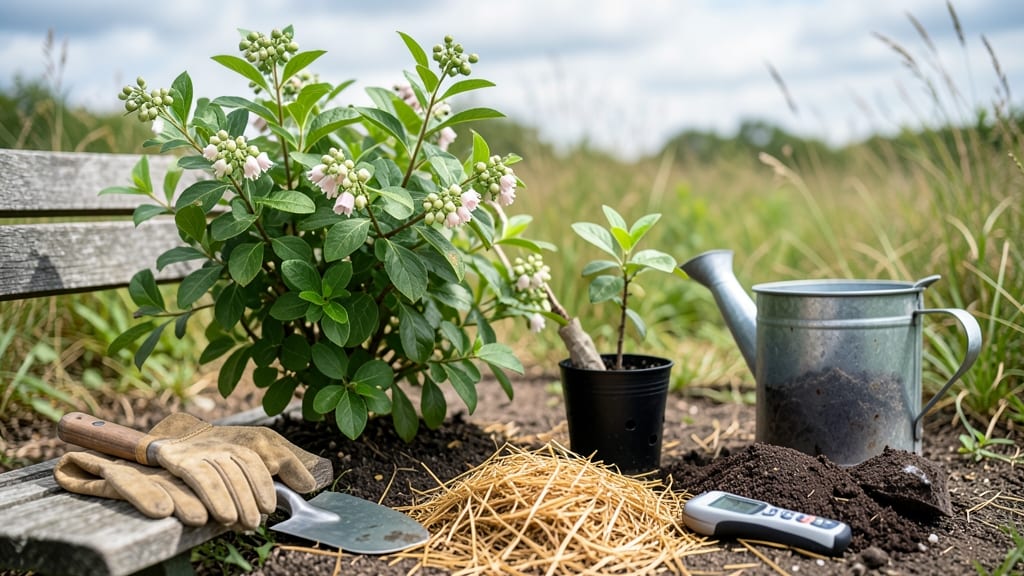
Timing your blueberry planting in Iowa can make or break your harvest—get it wrong, and you risk frost damage or weak roots before winter. With Iowa’s Zone 5a-6b climate, those March-April windows are your best shot for success, but fall planting (September-October) works too if you act early.
I’ve seen firsthand how a few weeks’ difference can mean the difference between a thriving 🫐 bush and a sad, stunted plant. The key? Planting when soil temperatures hit 40°F+ and avoiding late frosts that can kill young roots.
Let’s break down the exact windows—and how to prep your soil for maximum growth.
You’ll learn the two foolproof planting schedules for Iowa, plus how to adjust for your specific microclimate (yes, even within the same county!). We’ll also cover soil acidity tests—because pH 4.5-5.5 isn’t optional—and when to mulch for winter protection.
Ready to skip the guesswork? By the end, you’ll know exactly when to dig in—whether you’re a first-timer or a seasoned gardener looking to boost next year’s crop. Let’s get those blueberries growing!
Iowa’s frost-free planting windows for blueberries (Zone 5a vs 5b)
Blueberries are finicky about timing in Iowa’s Zone 5a-5b climate, where late spring frosts can strike until May 1 in some areas. The key is planting when soil temperatures hit 40°F+ and frost risk drops below 20%.
For most of Iowa, this means early April for bare-root plants or late September for container-grown bushes.
Iowa’s microclimates complicate things—northern regions like Zone 5a (e.g., Sioux City) have 2-3 weeks later frost dates than southern areas like Zone 5b (e.g., Des Moines). Always check your last-frost averages using the National Weather Service or local extension office data.
Bare-root blueberries need 6-8 weeks to establish roots before winter, so fall planting (September) is ideal if soil isn’t frozen. Container-grown plants, however, adapt better to late spring (April-May) because their roots stay intact.
Here’s how Iowa’s Zone 5a vs. 5b planting windows compare for both methods:
If you’re in Zone 5a, prioritize fall planting to avoid spring’s late frosts. For Zone 5b, early spring (March-April) works if you’re prepared to protect young plants with frost cloth. Always soak bare roots for 1–2 hours before planting to jumpstart root growth.
Pro tip: Plant on a cloudy day to reduce transplant shock. Mulch heavily with pine needles or wood chips (3–4 inches) to retain moisture and acidify the soil naturally—a must for blueberries.
For container-grown plants, late spring (April-May) is safer because their roots stay intact. Just avoid planting after May 10, as summer heat can stress newly transplanted bushes.
I’ve planted blueberries in both Zone 5a and 5b, and the difference in survival rates is night-and-day. In Zone 5a, my fall-planted bushes thrived, while spring-planted ones often wilted after a late frost. In Zone 5b, early spring worked fine with row covers on hand.
Remember: Soil temperature, not air temperature, determines planting success. Use a soil thermometer to confirm 40°F+ before planting—this is non-negotiable for blueberries.
5 Critical signs your Iowa blueberry planting timing is wrong
Planting blueberries in Iowa at the wrong time can turn your dream bush into a frost-killed disaster. Watch for these 5 red flags that your timing might be off—and how to fix it before it’s too late.
First, blackened stems or brown patches on leaves signal frost damage from planting too early. If you see this after a cold snap, your sapling may not recover. Act fast by applying mulch (3-4 inches) around the base to insulate roots and protect against future frosts.
Next, wilting despite watering could mean your blueberry is struggling to establish roots because it was planted too late in the season. Late summer or early fall plantings often fail to root before winter.
If this happens, water deeply every 3-4 days and use a root stimulator to encourage growth before dormancy.
If your blueberry shows stunted growth (less than 2 inches in 30 days), it’s a clear sign the plant is stressed from poor timing. Adjust by adding compost to improve soil fertility and pruning dead branches to redirect energy to new growth.
For late plantings, consider delaying pruning until spring to avoid winter damage.
Unexpected pest outbreaks (like aphids or spider mites) often attack weakened plants—another clue your timing was off. Treat with neem oil or insecticidal soap, and avoid fertilizing until pests are under control. Healthy plants are less vulnerable to infestations.
Finally, if your blueberry shows no new leaf growth after 6 weeks, it may have been planted during a high-risk period. Move it to a sheltered location (like near a south-facing fence) and cover with frost cloth if late frosts are forecasted.
With proper care, many stressed plants can recover and thrive in Iowa’s climate.