
Plants
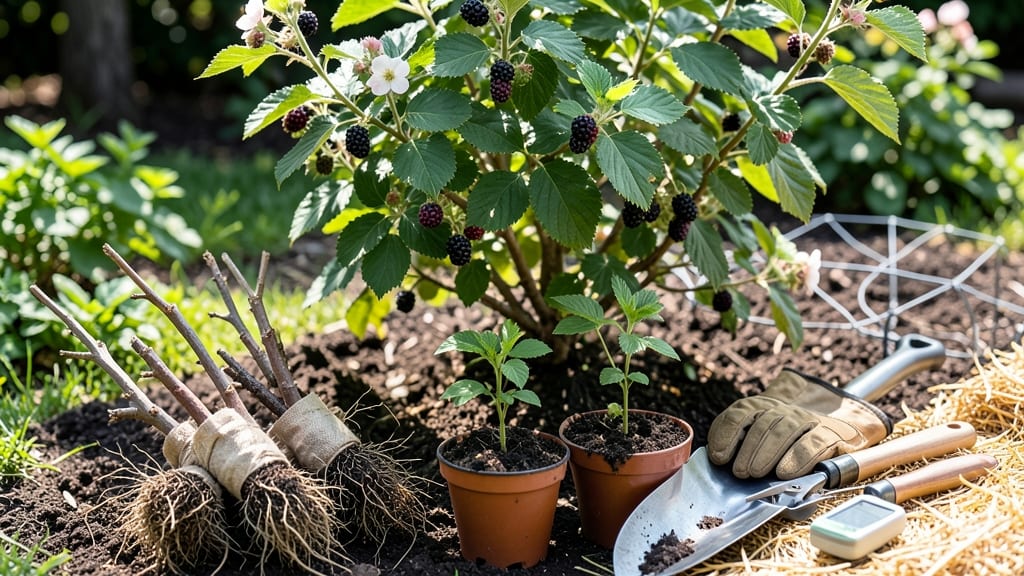
Planting blackberries in Tennessee at the wrong time could mean struggling with stunted growth or even losing your entire crop to unpredictable spring frosts or scorching summer heat.
The key to success lies in understanding your Zone 7B climate—where late frosts linger until mid-March and humidity can turn your garden into a breeding ground for disease if you're not careful.
For maximum yield of juicy 🫐 berries, timing matters more than you might think. Whether you're working with bare-root plants in early spring or potted varieties in fall, getting the soil temperature just right is the difference between thriving bushes and disappointed gardeners.
Let me show you exactly when to plant for Tennessee's unique conditions.
Most gardeners in Tennessee swear by fall planting (September-October) because it gives roots time to establish before winter, but there's a catch—your local microclimate could change everything. We'll break down the best months, soil prep secrets, and even which blackberry varieties handle Tennessee's heat and humidity like pros.
Ready to avoid common mistakes and grow blackberries that produce bountiful harvests from June through August? Let's dive into the perfect planting schedule tailored just for your Tennessee garden.
Best planting months for blackberries in Tennessee zone 7B
Tennessee’s Zone 7B climate creates a perfect window for planting blackberries, but timing is critical. The ideal planting months are late winter to early spring (February–April) or fall (September–October). These periods align with the plant’s dormancy cycle, giving roots time to establish before summer heat or winter frost arrives.
For bare-root plants, aim for February–March when soil temperatures rise but frost risk remains low.
Fall planting offers a second chance, especially for potted blackberries, which thrive when transplanted in September–October. This allows roots to settle before winter dormancy. However, avoid planting too late—November risks exposing young plants to early frosts.
Tennessee’s microclimates (e.g., cooler Appalachian regions vs. hotter Middle Tennessee) can shift ideal windows by 2–4 weeks, so monitor local frost dates.
Here’s how Tennessee’s climate influences timing:
| Season | Best Months | Soil Temp Threshold | Notes |
|---|---|---|---|
| Spring | February–April | 45–55°F | Bare-root plants; avoid frost. |
| Fall | September–October | 50–60°F | Potted plants; 6+ weeks before frost. |
For early spring planting, start in February if your region (like East Tennessee) has mild winters. In West Tennessee, wait until March to avoid late frosts. Fall planting is ideal for thornless varieties like 'Natchez,' which establish roots before winter stress.
Always check the Tennessee State University Extension for local frost dates—they vary yearly.
Blackberries planted in late winter (January–February) may struggle with cold soil, slowing root growth. To mitigate this, mulch heavily with straw or leaves to insulate roots.
For container-grown plants, transplant in April to avoid shocking roots with sudden warmth. Tennessee’s humidity also demands well-draining soil—more on that in our next section!
If you’re planting primocane varieties (like 'Apache'), fall planting is best—they produce fruit on new canes the following year. Floricane varieties (like 'Chester') can go either spring or fall, but spring gives them a head start. Always prune old canes before planting to reduce stress on new roots.
One common mistake Tennessee gardeners make is planting too early in January. Cold, wet soil can drown roots or invite root rot. Instead, wait for consistent 50°F+ soil temps—use a soil thermometer to confirm.
For bare-root plants, soak roots in water for 2–4 hours before planting to revive them.
For maximum yield, align planting with Tennessee’s growing season. Spring-planted bushes fruit in June–July, while fall-planted ones may delay harvest until July–August. Plan ahead: blackberries need 6–8 hours of sun daily, so choose a south-facing site with 6–8 feet between rows for airflow.
Finally, consider microclimate adjustments. In higher elevations (e.g., Smoky Mountains), plant 2 weeks later than Middle Tennessee. In urban heat islands (e.g., Nashville), mulch thicker to retain moisture. Tennessee’s climate is forgiving, but precision in timing ensures your blackberries thrive year after year. 🌿
Best planting months for blackberries in Tennessee zone 7B
Tennessee’s Zone 7B climate gives you two prime windows to plant blackberries: late winter/early spring (February-April) or fall (September-October). Each offers unique advantages, but the wrong timing can leave your plants vulnerable to frost damage or summer stress. Let’s break down the best options tailored for your region.
For spring planting, aim for when soil temperatures consistently stay above 50°F (10°C). This usually happens around mid-March to April in most of Tennessee, but mountainous areas like the Smokies may need to wait until late April.
Bare-root plants thrive in cooler soil, while potted varieties can handle slightly warmer conditions.
Fall planting (September-October) is my top recommendation for Tennessee gardeners. Planting 6-8 weeks before the first frost lets roots establish before winter dormancy. This approach often yields stronger plants that produce fruit earlier the following season. Just avoid planting too late—roots need time to harden off before cold snaps hit.
| Planting Window | Soil Temp | Best For | Tennessee Notes |
|---|---|---|---|
| Late Winter (Feb-Mar) | 45-50°F (7-10°C) | Bare-root plants | Risk of late frosts; protect with row covers |
| Early Spring (Mar-Apr) | 50-60°F (10-15°C) | Potted plants | Ideal for most TN regions; avoid waterlogged soil |
| Fall (Sep-Oct) | 55-65°F (13-18°C) | Root establishment | Best for TN's humidity; mulch heavily |
Microclimates matter in Tennessee! East Tennessee’s cooler highlands may need to delay spring planting until April, while West Tennessee’s warmer lowlands can start as early as February.
Check your local TN State University Extension frost maps for precise guidance—just a few degrees difference can mean the difference between thriving plants and frost bite.
Pro tip: If you’re planting in early spring, use black plastic mulch to warm the soil faster. For fall plantings, focus on well-draining soil to prevent waterlogged roots before winter. Both strategies help compensate for Tennessee’s unpredictable weather patterns.
Remember, blackberries need 6-8 hours of full sun daily. Choose a site with morning sun and afternoon shade if your Tennessee summers tend to be scorching. This balance helps prevent sunburn on tender canes while maximizing fruit production.