
Plants
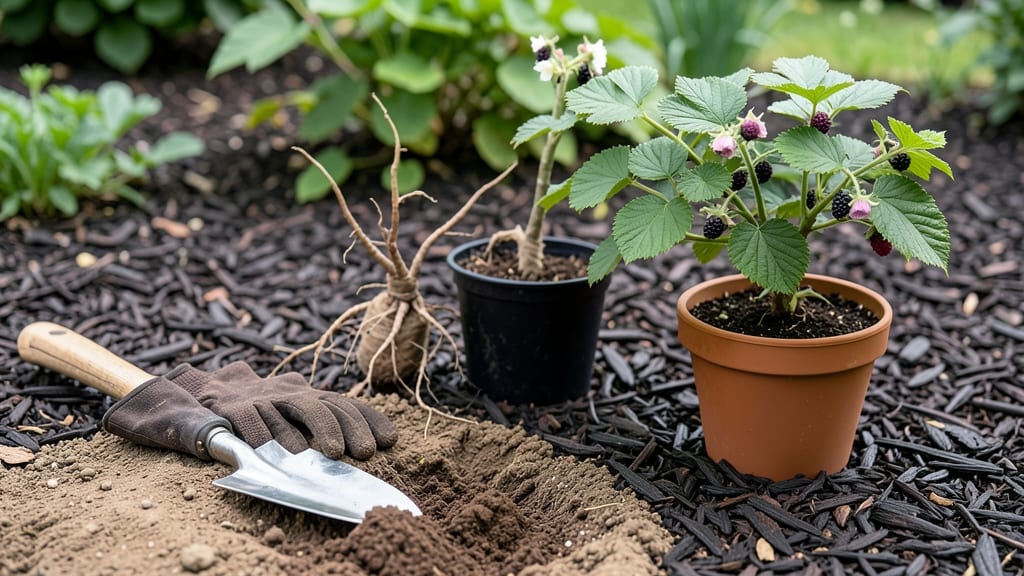
Timing your blackberry planting in Florida isn’t just about picking a month—it’s about dodging the heat, avoiding fungal nightmares, and giving those 🫐 vines the best shot at thriving.
Plant too early, and you risk frost damage in northern regions; too late, and your berries might struggle to establish roots before summer’s brutal sun takes over.
If you’ve ever watched your blackberry plants wilt under Florida’s intense humidity or seen them fail to fruit because of poor timing, you know how critical this is.
The secret lies in two key windows: early spring (January–March) when soil temperatures are just right, or late summer (June–July) when the heat has peaked but the growing season still has momentum.
I’ve grown blackberries across Florida’s zones 8a–11, and what works in North Florida (like the Panhandle) won’t always suit South Florida’s frost-free climate.
Let me break down the exact months that work for your region, plus how to prep your soil and space those canes for maximum yield—so you’re not left with half-hearted vines by harvest season.
Ready to turn your blackberry patch into a year-round berry bonanza? Let’s dive into the ideal planting windows, climate hacks, and variety tips that’ll have your plants bursting with fruit come spring or fall.
Best planting months for blackberries in Florida’s climate zones
Florida’s unique climate—spanning USDA Zones 8a-11—means blackberry planting windows vary dramatically from North Florida’s cooler winters to South Florida’s frost-free growing year. The optimal window for most regions is January through March, but southern Florida gardeners can plant as late as June-July without frost concerns.
Timing isn’t just about avoiding frost; it’s also about soil temperatures and humidity levels that affect root establishment.
In North Florida (Zones 8a-9a), where frost can linger until mid-January, planting in late winter (February-March) gives roots time to establish before summer heat arrives.
Meanwhile, Central Florida (Zone 9b) can plant as early as January, while South Florida (Zones 10a-11) enjoys a year-round planting window, though summer planting requires extra shade and moisture to prevent stress.
Missed the prime window? Don’t panic—late summer (June-July) is the second-best time to plant, especially in southern regions. This timing allows canes to establish roots before the fall fruiting season, though you’ll need to protect young plants from intense summer sun and provide consistent irrigation.
| Region | USDA Zone | Best Planting Window | Soil Temp Threshold | Key Consideration |
|---|---|---|---|---|
| North Florida | 8a-9a | February-March | 50°F+ | Avoid late frosts |
| Central Florida | 9b | January-March | 55°F+ | Balanced humidity |
| South Florida | 10a-11 | January-March or June-July | 60°F+ | Year-round frost-free |
🌱 Regional Notes: Adjust for local frost dates and humidity spikes.
For North Florida gardeners, the last frost date (typically January 15) marks the cutoff for bare-root planting. If you plant too early, roots may suffer frost damage before establishing.
In Central Florida, where frost is rare but possible, January is ideal for thornless varieties like ‘Chester,’ which handle humidity better than traditional types.
In South Florida’s tropical climate, blackberries thrive year-round, but summer planting (June-July) requires extra shade during peak heat (90°F+). Use 30-50% shade cloth for young canes and mulch heavily to retain moisture. Fall planting (August-September) is another option, allowing canes to establish before winter rains arrive.
Regardless of region, always test soil temperature before planting—roots need consistent warmth (50°F+) to grow. Use a soil thermometer to check depth (4-6 inches). If soil is below 50°F, wait 2-4 weeks or use black plastic mulch to warm the ground faster.
Pro tip: Plant bare-root canes on overcast days or in late afternoon to reduce transplant shock. Soak roots in water mixed with rooting hormone for 10-15 minutes before planting to boost survival rates in Florida’s humid, fungal-prone environment.
🫐 Variety Tip: Choose thornless varieties like ‘Arapaho’ or ‘Natchez’ for Florida’s heat—they produce larger berries with fewer pests.
Critical factors that determine blackberry planting success
Florida’s subtropical climate means soil temperature, moisture levels, and sunlight exposure can make or break your blackberry planting. Unlike northern states, Florida’s warm winters and humid summers create unique challenges—like fungal diseases thriving in stagnant water or roots struggling in compacted soil.
Before planting, test your soil pH—blackberries thrive in slightly acidic soil (5.5-6.5). Florida’s native sandy soils often need organic matter (like compost or peat moss) to retain moisture and nutrients. If your soil drains too quickly, amend it with well-rotted compost or coconut coir.
Choose a sun-drenched location with at least 6-8 hours of sunlight daily. In South Florida’s intense heat, partial afternoon shade helps prevent leaf scorch. Avoid low-lying areas where cold air pools—even brief frost can damage young canes in North Florida.
🌱Pro Tip: Mulch heavily (3-4 inches of straw or pine needles) to retain moisture, regulate soil temperature, and suppress weeds. This is non-negotiable in Florida’s high evaporation rates.